When it comes to frying eggs, the selection of the egg itself plays a pivotal role in achieving the desired outcome. Freshness is paramount; eggs that are recently laid will yield a firmer white and a vibrant yolk, both of which contribute to a visually appealing and delicious fried egg. The ideal egg should have a clean, uncracked shell, and when you crack it open, the yolk should sit high and round, while the egg white remains compact rather than spreading out excessively.
In terms of size, large eggs are typically preferred for frying due to their balance of yolk and white, which allows for optimal cooking. However, medium or extra-large eggs can also be used depending on personal preference or dietary needs. Additionally, consider the source of the eggs; organic or pasture-raised options often provide richer flavors and better nutritional profiles compared to conventional eggs.
Selecting the Best Pan for Crispy Edges
The choice of pan is crucial for achieving those coveted crispy edges on a fried egg. Non-stick skillets are often favored for their ease of use and ability to prevent sticking, which is particularly beneficial for novice cooks. However, cast iron skillets are renowned for their heat retention and even cooking properties, making them an excellent choice for those seeking a perfectly fried egg with crispy edges.
When selecting a pan, consider its size in relation to the number of eggs you plan to fry. A larger skillet allows for more space, enabling multiple eggs to be cooked simultaneously without overcrowding. Additionally, the material of the pan affects heat distribution; stainless steel pans can provide a delightful sear but require more attention to prevent sticking. Ultimately, the right pan will enhance the cooking process and contribute to the overall texture and flavor of the fried egg.
Preheating the Pan to the Perfect Temperature

Preheating the pan is an essential step that should not be overlooked when frying eggs. The ideal temperature for frying eggs typically ranges between 250°F to 325°F (121°C to 163°C). At this temperature range, the egg whites will set properly while allowing the yolk to remain runny if desired. To achieve this, place your chosen pan over medium heat and allow it to warm up gradually.
A simple test to determine if your pan is ready involves adding a few drops of water; if they sizzle and evaporate almost immediately, your pan is at the right temperature. Conversely, if the water simply sits there without reacting, your pan needs more time to heat up. Proper preheating not only ensures even cooking but also helps achieve that desirable crispy edge by allowing the fat to reach its optimal frying temperature before introducing the egg.
The choice of cooking fat significantly influences both flavor and texture when frying eggs. Butter is a classic option that imparts a rich, creamy flavor while promoting browning due to its milk solids. However, it has a lower smoke point (around 350°F or 177°C), which means it can burn if not monitored closely. For those who prefer a higher smoke point, oils such as canola or avocado oil are excellent alternatives, with smoke points exceeding 400°F (204°C).
Combining butter with oil can yield the best of both worlds; using oil as a base can help raise the smoke point while still benefiting from butter’s flavor. When using butter alone, consider clarifying it first to remove milk solids and increase its smoke point. Ultimately, the choice between butter and oil depends on personal preference and desired flavor profile, but both can produce delicious results when used correctly.
Cracking the Egg Without Breaking the Yolk

Cracking an egg without breaking its yolk requires a gentle touch and technique. Start by tapping the egg firmly against a flat surface rather than the edge of a bowl or pan; this minimizes the risk of shell fragments entering your dish. Once cracked, hold the egg over your pan and gently pull apart the shell halves while allowing the contents to slide out slowly.
If you find yourself struggling with yolk integrity, consider using room-temperature eggs instead of cold ones straight from the refrigerator; they are less likely to crack under pressure. Additionally, practice makes perfect; with time and experience, you’ll develop a knack for cracking eggs with precision.
Controlling Heat for Even Cooking
Heat control is vital for achieving perfectly cooked fried eggs. Too high of a temperature can lead to burnt edges while leaving the yolk undercooked, whereas too low of a temperature may result in rubbery whites. Maintaining a consistent medium heat allows for even cooking throughout the egg.
If you notice that your egg is cooking too quickly on one side, adjust the heat accordingly by lowering it slightly or moving the pan off direct heat momentarily. For those who prefer their yolks fully cooked, consider covering the pan with a lid for a minute or two; this traps steam and helps cook the top of the egg without flipping it.
Techniques to Achieve Crispy Edges
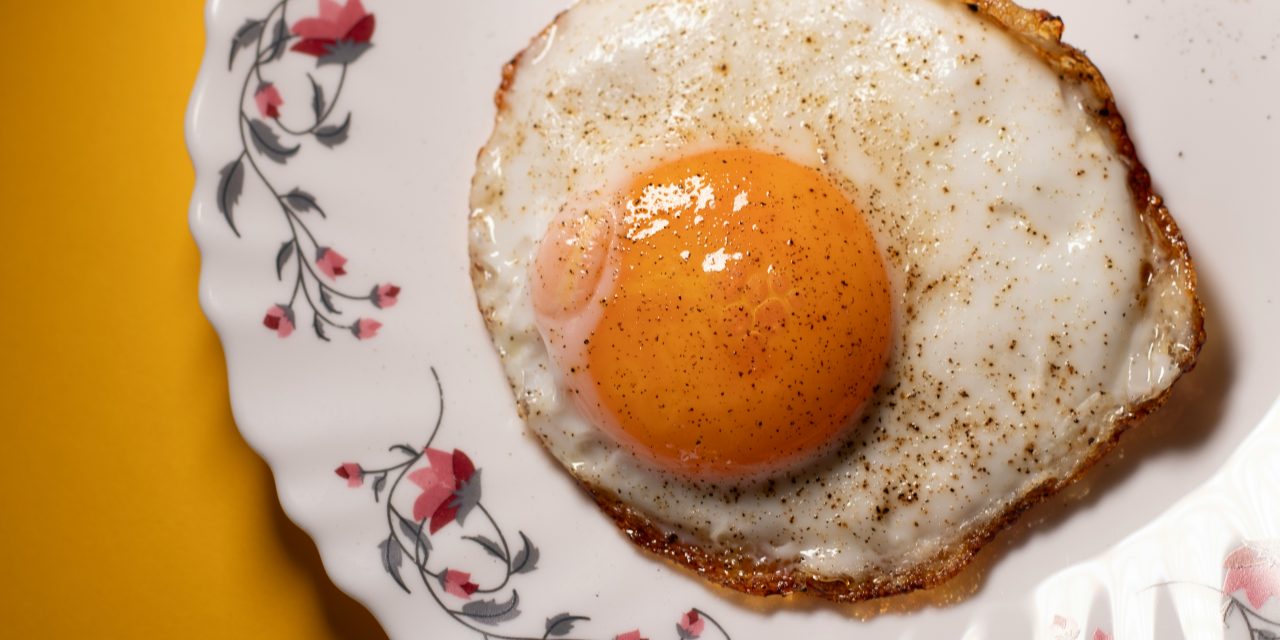
Achieving crispy edges on fried eggs involves several techniques that enhance texture and flavor. One effective method is to use enough cooking fat to create a shallow layer in your pan; this allows for even frying and promotes browning. As the egg cooks, gently tilt the pan to allow hot fat to flow over the edges of the egg, further crisping them.
Another technique involves basting; using a spoon, carefully scoop hot fat from around the edges of the egg and drizzle it over the top. This not only helps cook the whites but also contributes to that desirable crispy texture around the edges. Experimenting with these techniques will help you find your preferred method for achieving perfectly crispy fried eggs.
Cooking Time for a Runny Yolk
For those who enjoy a runny yolk, timing is crucial during the frying process. Typically, cooking an egg sunny-side up takes about 2-3 minutes over medium heat; this allows enough time for the whites to set while keeping the yolk intact and runny. If you prefer over-easy eggs with slightly cooked yolks, flip them gently after about 2 minutes and cook for an additional 30 seconds.
To ensure optimal results, keep an eye on visual cues; once the whites are opaque and firm but not rubbery, it’s time to remove them from heat. Remember that residual heat will continue cooking the egg slightly after it’s removed from the pan, so it’s best to err on the side of caution if you prefer your yolks runny.
When and How to Season Your Egg
Seasoning is an essential aspect of enhancing flavor in fried eggs. The best time to season is just before serving; sprinkle salt and pepper directly onto the cooked egg while it’s still in the pan or immediately after transferring it to a plate. This ensures that flavors penetrate without drawing moisture out of the egg prematurely.
For those looking to elevate their seasoning game further, consider experimenting with herbs such as chives or parsley for freshness or spices like paprika or cayenne pepper for added heat. A dash of freshly cracked black pepper can also enhance flavor without overpowering the delicate taste of the egg itself.
Tips for Removing the Egg Without Damage
Removing a fried egg from its cooking surface without damaging it requires careful technique. Start by gently loosening the edges with a spatula; slide it underneath one side of the egg while ensuring that you maintain support under the yolk. Gradually lift it out while tilting slightly to allow any excess fat to drain off.
If you’re using a non-stick skillet, this process should be relatively straightforward; however, with stainless steel pans, you may need to be more cautious as eggs can stick more easily. If you encounter resistance when lifting, take a moment to loosen it further before attempting again.
Serving Suggestions to Enhance Your Fried Egg Experience
Fried eggs can be enjoyed in numerous ways that elevate their flavor profile and presentation. Consider serving them atop toasted bread or English muffins for a classic breakfast dish known as Eggs Benedict; add hollandaise sauce for an indulgent touch. Alternatively, pair fried eggs with sautéed vegetables such as spinach or mushrooms for a nutritious meal.
For those seeking international flair, try serving fried eggs over rice or noodles with soy sauce and scallions for an Asian-inspired dish. The versatility of fried eggs allows them to complement various cuisines and ingredients, making them an excellent addition to any meal.
In summary, mastering the art of frying eggs involves careful consideration of various factors including egg selection, pan choice, temperature control, and seasoning techniques. By following these guidelines and experimenting with different methods, anyone can achieve perfectly fried eggs with crispy edges and delicious flavors that enhance any meal experience.
FAQs
What type of pan is best for frying an egg with crispy edges?
A non-stick skillet or a well-seasoned cast iron pan is ideal for frying an egg with crispy edges. These types of pans allow for even heat distribution and prevent the egg from sticking, which helps achieve that desired crispiness.
What oil should I use for frying an egg?
Using oils with a high smoke point, such as vegetable oil, canola oil, or avocado oil, is recommended for frying eggs. These oils can withstand higher temperatures without burning, which is essential for achieving crispy edges.
How can I ensure the yolk remains runny while the edges are crispy?
To keep the yolk runny while achieving crispy edges, cook the egg on medium to medium-high heat. This allows the edges to crisp up quickly while the yolk remains less exposed to direct heat. You can also cover the pan briefly to help cook the top of the egg without overcooking the yolk.
Should I add salt before or after frying the egg?
It is generally recommended to add salt after frying the egg. Adding salt before cooking can draw moisture out of the egg, which may prevent the edges from becoming crispy. Seasoning after cooking allows for better texture and flavor.
How long should I cook the egg for crispy edges and a runny yolk?
Typically, frying an egg for about 2 to 3 minutes on medium to medium-high heat will yield crispy edges and a runny yolk. Keep an eye on the egg to ensure the edges are golden brown while the yolk remains intact and runny.