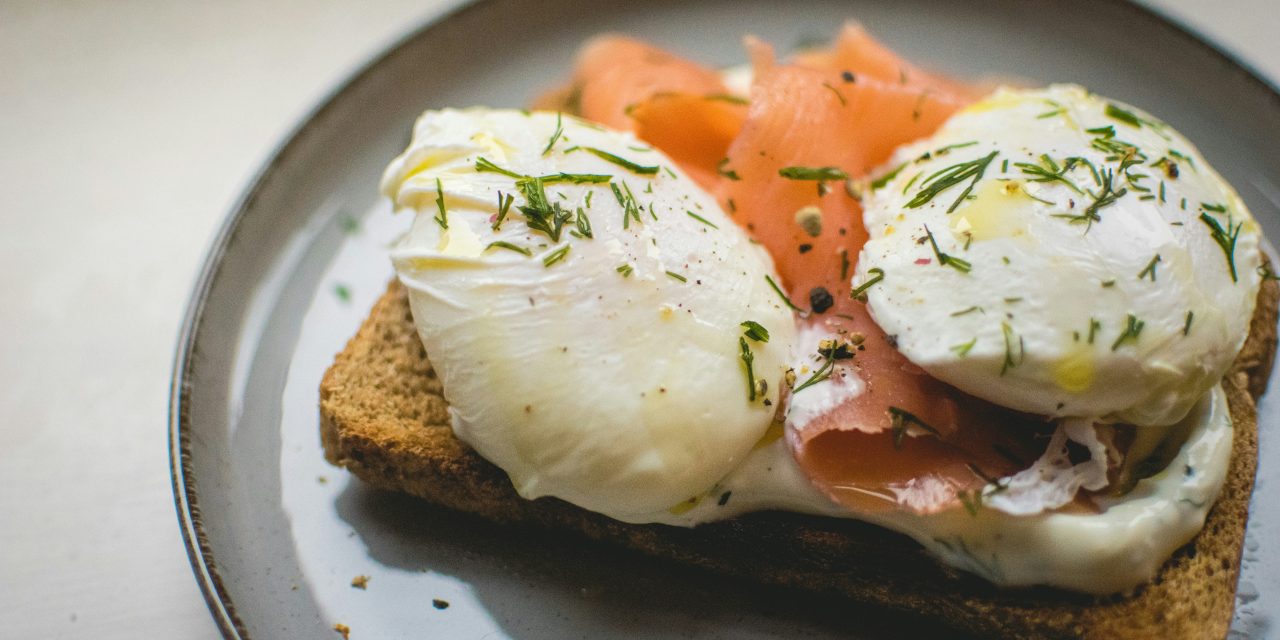
Poached eggs are a culinary delight that exemplifies the art of cooking with precision and finesse. This method involves gently cooking eggs in simmering water, resulting in a tender white and a runny yolk that can elevate any dish. Unlike fried or scrambled eggs, poaching requires a delicate touch, as the egg must be cooked without the protective shell, allowing for a unique texture and flavor profile. The poaching technique is not only a staple in classic dishes like Eggs Benedict but also serves as a versatile component in salads, grain bowls, and breakfast platters.
The poaching process is characterized by its simplicity yet demands attention to detail. The key to achieving the perfect poached egg lies in understanding the science behind it. When an egg is submerged in water, the proteins in the egg white coagulate, forming a delicate structure that encases the yolk. This method preserves the egg’s natural flavors while providing a visually appealing presentation. Mastering poached eggs can enhance culinary skills and impress guests with a dish that appears sophisticated yet is surprisingly easy to prepare.
Choosing the Right Eggs for Poaching
Selecting high-quality eggs is paramount when it comes to poaching. Freshness is crucial; fresher eggs have firmer whites that hold their shape better during cooking. When choosing eggs, look for those with a recent sell-by date or purchase them directly from local farms if possible. The appearance of the eggshell can also provide insight into freshness; clean, uncracked shells are ideal. Additionally, consider the type of eggs you prefer—organic, free-range, or conventional—as these factors can influence flavor and texture.
The size of the eggs can also impact the poaching process. Large eggs are typically preferred for poaching due to their optimal yolk-to-white ratio, which contributes to a balanced dish. However, medium or extra-large eggs can also be used depending on personal preference or dietary needs. Ultimately, the choice of eggs should align with your culinary goals and desired flavor profile, ensuring that each poached egg meets your standards for quality and taste.
Preparing Fresh Eggs for Best Results

Preparation is key to achieving perfectly poached eggs. Begin by cracking each egg into a small bowl or ramekin before introducing it to the water. This step allows for easy transfer into the poaching liquid while minimizing the risk of breaking the yolk. Additionally, inspecting the egg for any imperfections ensures that only the best quality makes it into your dish.
Another essential preparation step involves bringing the eggs to room temperature before cooking. Cold eggs straight from the refrigerator can cause uneven cooking and may result in a less desirable texture. Allowing them to sit at room temperature for about 30 minutes prior to poaching can significantly improve the outcome. This simple adjustment can lead to a more consistent cooking process and enhance the overall quality of your poached eggs.
Selecting the Ideal Poaching Liquid

While water is the most common liquid used for poaching, variations exist that can enhance flavor and presentation. Broths or stocks can impart additional depth to the dish, while flavored liquids such as vegetable or chicken broth can complement specific recipes. When selecting a poaching liquid, consider how it will interact with the other components of your dish.
The choice of liquid should also take into account dietary restrictions or preferences. For instance, using vegetable broth instead of water can cater to vegetarian diets while still providing rich flavor. Regardless of the liquid chosen, ensure that it is heated to a gentle simmer before adding the eggs, as this will facilitate even cooking and prevent any undesirable textures from forming.
Using Vinegar to Help Eggs Hold Their Shape
Incorporating vinegar into your poaching liquid can significantly improve the final product by helping the egg whites coagulate more quickly. The acetic acid in vinegar aids in denaturing proteins, which encourages them to bond together and form a cohesive structure around the yolk. This technique is particularly beneficial for those who may struggle with achieving perfectly shaped poached eggs.
When using vinegar, aim for a ratio of about one tablespoon per quart of water. While white vinegar is commonly used due to its neutral flavor, apple cider vinegar or rice vinegar can also be employed for a subtle twist in taste. However, be cautious not to overdo it; excessive vinegar can impart an unpleasant flavor to the eggs. Striking a balance will yield beautifully poached eggs that maintain their shape while enhancing overall flavor.
Perfecting the Water Temperature for Poaching
The temperature of the water plays a critical role in achieving perfectly poached eggs. Ideally, water should be maintained at a gentle simmer between 180°F and 190°F (82°C to 88°C). At this temperature range, small bubbles will rise to the surface without causing turbulence that could break apart the delicate egg whites.
Using a thermometer can help ensure accuracy; however, visual cues are also effective indicators of proper temperature. Look for small bubbles forming on the bottom of the pot without vigorous boiling. If bubbles are breaking through vigorously, reduce heat immediately to avoid overcooking or damaging the eggs. Maintaining this optimal temperature throughout the cooking process will yield consistently tender and flavorful results.
Creating a Gentle Whirlpool to Keep Eggs Together
Creating a gentle whirlpool in the poaching liquid is an advanced technique that can help keep the egg whites neatly wrapped around the yolk during cooking. To achieve this effect, use a spoon or spatula to stir the water in one direction until a vortex forms. Once established, carefully slide the cracked egg into the center of the whirlpool.
This method encourages the egg whites to wrap around themselves rather than spreading out in the water, resulting in a more aesthetically pleasing presentation. It may take some practice to master this technique, but once perfected, it can elevate your poached eggs from ordinary to extraordinary.
Timing the Poaching Process Accurately
Timing is crucial when it comes to poaching eggs; even a few seconds can make a significant difference in texture and doneness. For soft-poached eggs with runny yolks, aim for approximately 3 to 4 minutes of cooking time. If you prefer firmer yolks, extend cooking time to around 5 to 6 minutes.
To ensure accuracy, consider using a timer or stopwatch during cooking. After removing an egg from the water, gently tap it on a hard surface to check for doneness; if it feels too soft or jiggly, return it to the simmering water for an additional minute or two. With practice, you will develop an intuitive sense of timing that allows you to achieve your desired level of doneness consistently.
Removing and Draining Poached Eggs Properly
Once your poached eggs have reached their desired doneness, it’s essential to remove them from the water carefully to avoid breaking them apart. Using a slotted spoon allows excess water to drain away while providing support for the delicate egg structure. Gently lift each egg from the pot and allow it to rest on paper towels or a clean kitchen cloth for a moment to absorb any remaining moisture.
Proper draining is crucial for presentation; excess water can dilute flavors and create an unappealing appearance on your plate. If desired, you can also trim any ragged edges of egg whites with kitchen scissors for a cleaner look before serving.
Troubleshooting Common Poaching Problems
Even experienced cooks may encounter challenges when poaching eggs. One common issue is having egg whites spread out in the water instead of holding their shape. This problem often arises from using older eggs or not incorporating vinegar into the poaching liquid. To remedy this, ensure you are using fresh eggs and consider adjusting your vinegar ratio.
Another frequent concern is overcooking or undercooking eggs. If you find that your yolks are consistently too runny or too firm, experiment with adjusting cooking times slightly until you achieve your desired consistency. Additionally, maintaining proper water temperature is vital; if boiling too vigorously, reduce heat immediately.
Serving and Storing Poached Eggs for Maximum Freshness
Serving poached eggs immediately after cooking ensures optimal freshness and flavor. They pair beautifully with toasted bread, sautéed greens, or atop grains like quinoa or farro for a nutritious meal. For added flair, consider garnishing with fresh herbs or drizzling with hollandaise sauce for an indulgent touch.
If you need to store leftover poached eggs, place them in an airtight container submerged in cold water in the refrigerator for up to two days. When ready to serve again, gently reheat them by submerging them in hot water for about 1-2 minutes until warmed through.
In summary, mastering poached eggs involves understanding various techniques and factors that contribute to their success—from selecting fresh ingredients and preparing them properly to perfecting timing and temperature during cooking. With practice and attention to detail, anyone can create beautifully poached eggs that enhance any meal experience while impressing family and friends alike.
FAQs
What is the best method for poaching eggs?
The best method for poaching eggs involves using fresh eggs, a gentle simmering water bath, and adding a splash of vinegar to the water. This helps the egg whites coagulate quickly, resulting in a well-shaped poached egg.
How long should I cook poached eggs?
Poached eggs typically take about 3 to 4 minutes to cook for a runny yolk. If you prefer a firmer yolk, you can cook them for an additional minute or two, but be careful not to overcook them.
What type of vinegar is best for poaching eggs?
White vinegar or apple cider vinegar is commonly recommended for poaching eggs. These types of vinegar have a neutral flavor and help the egg whites to set quickly without imparting a strong taste to the eggs.
Can I poach multiple eggs at once?
Yes, you can poach multiple eggs at once, but it’s important to ensure that the water is deep enough and that you don’t overcrowd the pot. Ideally, poach no more than 3 to 4 eggs at a time to maintain even cooking and prevent them from sticking together.
What should I do if my poached eggs are falling apart?
If your poached eggs are falling apart, it may be due to using older eggs or not adding vinegar to the water. Fresh eggs hold their shape better, and the vinegar helps the egg whites to coagulate quickly. Additionally, creating a gentle whirlpool in the water before adding the egg can help it maintain its shape.