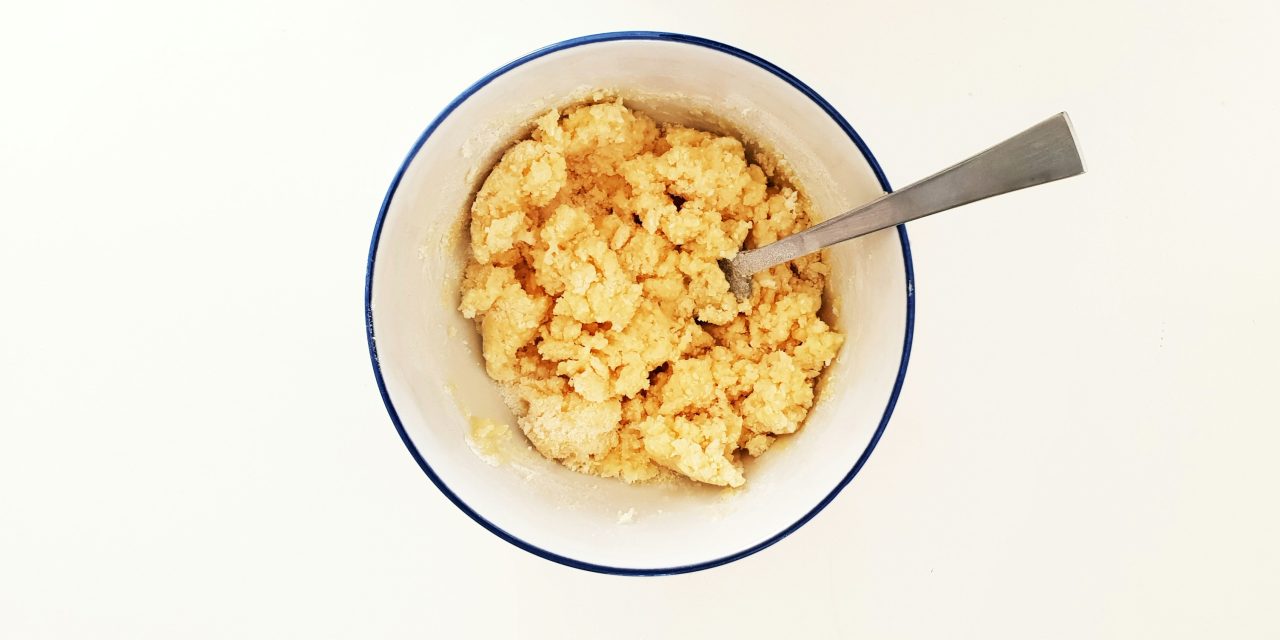
Scrambled eggs are a quintessential breakfast dish that can be deceptively simple yet remarkably complex in their execution. The perfect scrambled egg is characterized by its creamy texture, rich flavor, and a delicate balance between firmness and softness. Achieving this ideal requires an understanding of the fundamental principles that govern egg cooking. The primary factors influencing the outcome include the quality of the eggs, cooking technique, and the incorporation of additional ingredients.
The science behind scrambled eggs lies in the proteins found in egg whites and yolks. When heated, these proteins denature and coagulate, transforming from a liquid state into a solid form. The key to achieving a velvety texture is to control the cooking process carefully, ensuring that the eggs do not overcook or dry out. Mastering the art of scrambled eggs involves not only knowing how to cook them but also understanding how to manipulate these proteins to create a dish that is both visually appealing and palatable.
Choosing the Right Eggs: Freshness and Quality Matter
The foundation of any excellent scrambled egg dish begins with selecting high-quality eggs. Freshness is paramount; eggs that are recently laid will have a firmer white and a more vibrant yolk, contributing to a superior flavor profile. When purchasing eggs, look for those with a “sell by” date that is as far in the future as possible. Additionally, consider sourcing eggs from local farms or organic producers, as these often yield eggs from hens that are raised in humane conditions and fed a nutritious diet.
Egg grading also plays a crucial role in determining quality. In the United States, eggs are classified into three grades: AA, A, and Grade AA eggs are the highest quality, featuring thick whites and firm yolks, making them ideal for scrambling. Conversely, Grade B eggs may have thinner whites and are better suited for baking or cooking where appearance is less critical. By prioritizing freshness and quality, you set the stage for creating scrambled eggs that are not only delicious but also visually appealing.
Essential Ingredients for Creamy Scrambled Eggs

While eggs are the star of the show, several essential ingredients can enhance their flavor and texture. The most common additions include salt, pepper, and dairy products such as milk or cream. Salt is crucial for enhancing the natural flavor of the eggs; however, it should be added at the right time to avoid drawing out moisture prematurely. A pinch of freshly cracked black pepper adds a subtle heat that complements the richness of the dish.
Dairy products play a significant role in achieving creaminess. Whole milk or heavy cream can be whisked into the eggs before cooking to create a luscious texture. The fat content in these dairy options helps to coat the proteins in the eggs, resulting in a softer scramble. For those who prefer a lighter option, low-fat milk can be used, although it may not yield the same level of creaminess. Ultimately, the choice of dairy should align with personal preferences and dietary considerations.
The Importance of Temperature: Low and Slow Cooking

One of the most critical aspects of preparing perfect scrambled eggs is controlling the cooking temperature. Cooking eggs over low heat allows for gradual coagulation of proteins, resulting in a tender and creamy texture. High heat can lead to rapid cooking, which often results in rubbery or dry eggs. A gentle approach ensures that the eggs remain moist and fluffy throughout the cooking process.
Using a non-stick skillet or well-seasoned cast iron pan can further aid in achieving optimal results. Preheating the pan on low heat before adding butter or oil creates an even cooking surface that prevents sticking while allowing for uniform heat distribution. Patience is key; allowing the eggs to cook slowly will reward you with a superior final product that showcases their natural flavors.
Whisking Techniques: How to Beat Eggs for Softness
Whisking is an essential technique that significantly impacts the texture of scrambled eggs. The goal is to incorporate air into the mixture, which contributes to fluffiness and lightness. Using a fork or whisk, beat the eggs vigorously until they are fully combined and slightly frothy. This process helps to break down the proteins and create a uniform mixture.
For those seeking an ultra-smooth texture, consider using an immersion blender or electric mixer for whisking. These tools can introduce even more air into the mixture, resulting in an airy scramble. However, be cautious not to over-whisk; excessive aeration can lead to a dry texture once cooked. Striking the right balance during this step is crucial for achieving soft and creamy scrambled eggs.
Adding Dairy: Cream, Milk, or Butter for Extra Creaminess
Incorporating dairy into scrambled eggs elevates their richness and enhances their overall mouthfeel. Heavy cream is often favored for its high-fat content, which contributes to an indulgent texture. When using cream, aim for about one tablespoon per egg; this ratio ensures that the eggs remain creamy without becoming overly rich.
Milk is another popular option that can lighten the dish while still providing creaminess. Whole milk is ideal for those who desire a balance between richness and lightness. For individuals with dietary restrictions or preferences, alternatives such as almond milk or oat milk can also be used; however, these may alter the flavor profile slightly.
Butter is another essential ingredient that not only adds flavor but also aids in achieving a silky texture. Adding a pat of butter to the pan before pouring in the egg mixture creates a luscious base that enhances both taste and mouthfeel. The combination of dairy products with eggs creates a harmonious blend that results in an unforgettable breakfast experience.
Cooking Methods: Stovetop Tips for Fluffy Scrambled Eggs
The stovetop method remains one of the most popular techniques for preparing scrambled eggs due to its simplicity and effectiveness. Begin by preheating your non-stick skillet over low heat and adding butter or oil to coat the surface evenly. Once melted, pour in your whisked egg mixture.
As the edges begin to set, gently stir with a spatula, pushing the cooked edges toward the center while tilting the pan to allow uncooked egg to flow outward. This technique promotes even cooking and prevents sticking. Continue this process until the eggs are mostly set but still slightly runny; they will continue to cook off-heat due to residual warmth.
For those seeking an alternative method, consider using a double boiler or bain-marie technique. This gentle cooking method involves placing a heatproof bowl over simmering water, allowing for precise temperature control while preventing direct contact with heat sources. This method yields exceptionally creamy scrambled eggs but requires more attention and time.
Avoiding Overcooking: Recognizing the Perfect Doneness
One of the most common pitfalls when preparing scrambled eggs is overcooking them, leading to a dry and unappetizing result. To avoid this mistake, it is essential to recognize when your scrambled eggs have reached perfect doneness. The ideal texture should be soft and slightly runny; they will continue to cook even after being removed from heat due to residual warmth.
A good rule of thumb is to remove scrambled eggs from heat when they are about 80% cooked; they should still appear glossy and moist on top. Allowing them to rest for a minute off-heat will enable them to finish cooking without becoming rubbery or dry. This technique ensures that your scrambled eggs maintain their creamy consistency while achieving optimal flavor.
Seasoning Secrets: When and How to Add Salt and Pepper
Seasoning plays a pivotal role in enhancing the flavor profile of scrambled eggs; however, timing is crucial for achieving optimal results. Adding salt too early can draw moisture out of the eggs, resulting in a watery mixture that lacks richness. Instead, consider seasoning your scrambled eggs just before serving or during the final stages of cooking.
Freshly cracked black pepper adds depth and complexity to scrambled eggs without overpowering their natural flavor. A light sprinkle during cooking can enhance taste without overwhelming delicate palates. For those who enjoy experimenting with flavors, consider incorporating other seasonings such as smoked paprika or garlic powder for added dimension.
Optional Add-Ins: Herbs, Cheese, and More for Flavor Boost
To elevate your scrambled eggs further, consider incorporating optional add-ins that enhance flavor and texture. Fresh herbs such as chives, parsley, or dill can add brightness and freshness when folded into cooked eggs just before serving. These herbs not only provide visual appeal but also contribute aromatic qualities that enhance overall enjoyment.
Cheese is another popular addition that brings richness and depth to scrambled eggs. Options such as feta, cheddar, or goat cheese can be crumbled or shredded into the mixture during cooking for melty goodness. For those seeking an umami boost, consider adding sautéed mushrooms or sun-dried tomatoes for added complexity.
Serving Suggestions: Presenting Your Perfect Scrambled Eggs
Presentation is key when serving scrambled eggs; an aesthetically pleasing dish enhances the overall dining experience. Consider plating your scrambled eggs on warm plates to maintain their temperature while adding visual appeal through garnishes such as fresh herbs or microgreens.
Pairing scrambled eggs with complementary sides can create a well-rounded meal; options such as toasted sourdough bread or avocado slices provide additional textures and flavors that harmonize beautifully with creamy scrambled eggs. Drizzling with hot sauce or serving alongside fresh salsa can also add an exciting kick that elevates your breakfast experience.
In summary, mastering scrambled eggs involves understanding various factors such as egg quality, cooking techniques, seasoning timing, and optional add-ins that enhance flavor profiles. By focusing on these elements while prioritizing freshness and quality ingredients, you can create deliciously creamy scrambled eggs that delight both visually and gastronomically.
### FAQ Section
1. **What type of pan is best for scrambling eggs?**
– A non-stick skillet is ideal as it prevents sticking and allows for easy flipping and stirring.
2. **How many eggs should I use per serving?**
– Generally, two to three large eggs per person is sufficient for a hearty serving.
3. **Can I make scrambled eggs ahead of time?**
– While it’s best enjoyed fresh, you can prepare them ahead of time; just reheat gently on low heat while stirring occasionally.
4. **What’s the best way to store leftover scrambled eggs?**
– Store leftovers in an airtight container in the refrigerator for up to three days.
5. **Can I use egg substitutes instead of real eggs?**
– Yes! Egg substitutes like tofu scramble or commercial egg replacers can be used but may yield different textures.
6. **Is it necessary to add dairy?**
– While dairy enhances creaminess, it’s not mandatory; you can achieve good results without it if desired.
7. **What herbs work best with scrambled eggs?**
– Fresh herbs like chives, parsley, dill, or basil complement scrambled eggs beautifully.
8. **How do I know when my scrambled eggs are done?**
– They should be soft but not runny; remove them from heat when they appear slightly undercooked as they will continue cooking off-heat.
9. **Can I freeze scrambled eggs?**
– Yes! Scrambled eggs can be frozen but may lose some texture upon reheating; store them in airtight containers.
10. **What are some creative toppings for scrambled eggs?**
– Consider toppings like avocado slices, salsa, hot sauce, or crumbled bacon for added flavor.
In conclusion, perfecting scrambled eggs requires attention to detail across various aspects—from selecting high-quality ingredients to mastering cooking techniques and seasoning methods. By following these guidelines and experimenting with optional add-ins, you can create deliciously creamy scrambled eggs that will impress at any breakfast table.
FAQs
What ingredients are essential for making perfect scrambled eggs?
The essential ingredients for making perfect scrambled eggs include fresh eggs, butter, and salt. Some recipes may also suggest adding cream or milk for extra creaminess, but the basic version requires just eggs and butter.
What cooking technique helps achieve soft and creamy scrambled eggs?
Cooking scrambled eggs over low heat while continuously stirring is key to achieving a soft and creamy texture. This gentle cooking method allows the eggs to cook evenly without becoming rubbery.
How long should scrambled eggs be cooked for optimal texture?
Scrambled eggs should typically be cooked for about 5 to 7 minutes, depending on the heat level and the quantity of eggs. It’s important to remove them from the heat when they are still slightly undercooked, as they will continue to cook from residual heat.
Can I add ingredients like cheese or vegetables to scrambled eggs?
Yes, you can add ingredients like cheese or vegetables to scrambled eggs. However, it’s best to add them towards the end of the cooking process to prevent them from releasing too much moisture and affecting the creamy texture of the eggs.
What common mistakes should be avoided when making scrambled eggs?
Common mistakes to avoid include cooking the eggs on high heat, which can lead to rubbery texture, and overcooking them, which can dry them out. Additionally, using old eggs can affect the flavor and texture, so always opt for fresh eggs.