The first step in transforming your pantry into an organized haven is to conduct a thorough assessment and decluttering process. Begin by emptying the entire space, removing all items from shelves and cabinets. This allows you to evaluate what you have, identify expired products, and determine what you truly need. As you sift through your pantry, categorize items into groups such as canned goods, grains, snacks, and baking supplies. This not only helps in identifying duplicates but also highlights items that may no longer be necessary.
Once you have categorized your pantry contents, it’s time to declutter. Discard any expired items or those that you know you will not use. Consider donating non-perishable food items that are still within their expiration dates but are no longer desired. This process not only frees up space but also contributes to reducing food waste. After decluttering, take a moment to clean the shelves and surfaces with a mild disinfectant to ensure a fresh start for your newly organized pantry.
Utilize Clear, Reusable Containers for Visibility
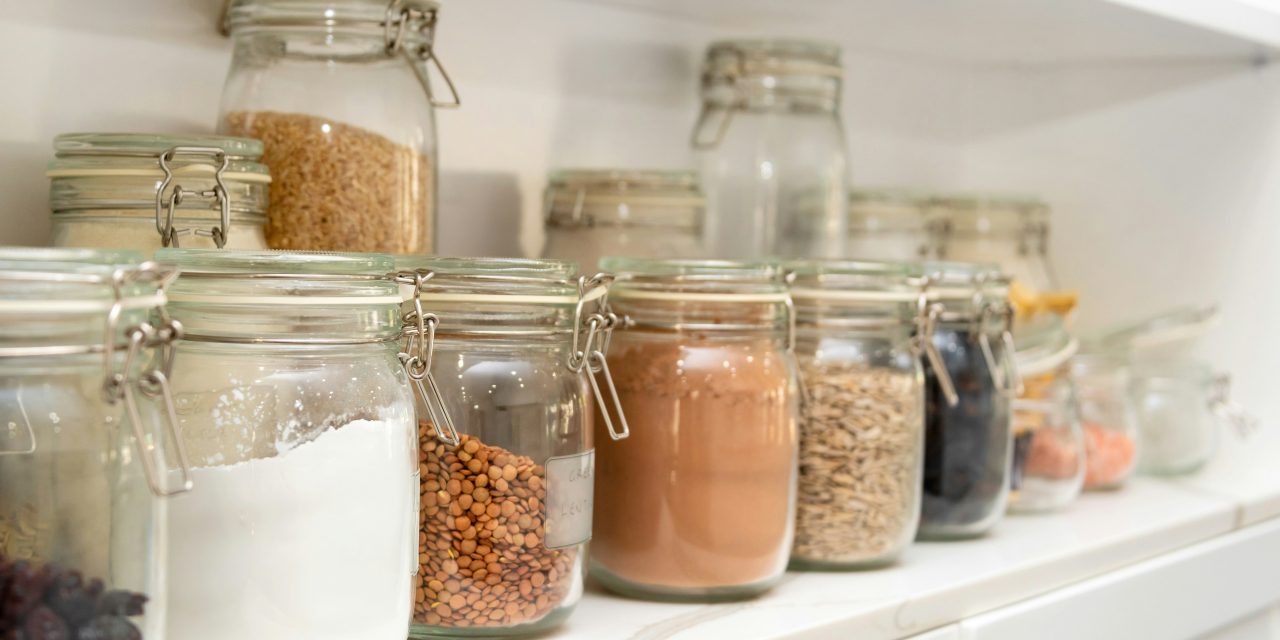
After decluttering, the next step is to invest in clear, reusable containers that enhance visibility and accessibility. Transparent containers allow you to see the contents at a glance, making it easier to locate ingredients when preparing meals. Opt for containers made from BPA-free plastic or glass to ensure safety and durability. These containers come in various sizes, allowing you to store everything from grains and pasta to snacks and baking supplies.
When selecting containers, consider those with airtight seals to preserve freshness and prevent pest infestations. Additionally, stackable containers can maximize vertical space, making it easier to utilize every inch of your pantry. By consolidating items into uniform containers, you create a visually appealing and organized space that simplifies meal preparation and grocery shopping.
Label Everything for Easy Identification

Labeling is an essential component of an organized pantry. Once you have transferred items into clear containers, use labels to identify each product clearly. This practice not only enhances organization but also saves time when searching for specific ingredients. You can opt for pre-made labels or create your own using a label maker or printable label sheets.
Consider including expiration dates on labels for perishable items to ensure that you use them before they spoil. Additionally, color-coding labels can help categorize items further, making it easier to locate specific groups of food quickly. By implementing a labeling system, you create an efficient pantry that promotes easy access and encourages mindful consumption.
Repurpose Household Items as Storage Solutions

Before purchasing new storage solutions, explore your home for items that can be repurposed for pantry organization. For instance, mason jars can serve as excellent storage for dry goods like beans, rice, or spices. Old shoe boxes can be transformed into organizers for smaller items such as snack bars or seasoning packets. By creatively utilizing what you already have, you can save money while contributing to a more sustainable lifestyle.
Additionally, consider using magazine holders to store packets of snacks or baking supplies vertically. This not only maximizes space but also keeps items visible and accessible. By thinking outside the box and repurposing household items, you can create a functional pantry without the need for excessive spending on new storage solutions.
Maximize Vertical Space with Stackable Shelves
Vertical space is often underutilized in pantries, leading to cluttered shelves and difficulty accessing items. To combat this issue, consider installing stackable shelves or tiered organizers that allow you to take advantage of the height of your pantry. These shelves create additional levels for storage, making it easier to see and reach items without having to dig through stacks of boxes or containers.
When selecting stackable shelves, ensure they are sturdy enough to hold heavier items like canned goods or large bags of flour. Adjustable shelves can also provide flexibility in organizing various sizes of products. By maximizing vertical space, you create a more efficient pantry layout that enhances accessibility and organization.
Create Zones for Different Food Categories
Establishing zones within your pantry is crucial for maintaining organization and efficiency. By grouping similar items together, you streamline the process of finding ingredients when cooking or baking. For example, designate one shelf for canned goods, another for baking supplies, and a separate area for snacks or breakfast items. This zoning approach not only simplifies meal preparation but also encourages mindful consumption by making it easier to track inventory.
Consider using baskets or bins within each zone to further categorize items. For instance, within the baking zone, you could have separate bins for flour, sugar, and baking mixes. This method not only keeps similar items together but also adds an aesthetic appeal to your pantry organization.
Use Tension Rods to Hang Spray Bottles and Bags
Tension rods are versatile tools that can be utilized creatively in pantry organization. By installing tension rods horizontally within your pantry space, you can hang spray bottles or bags of snacks, freeing up valuable shelf space below. This method keeps frequently used items within reach while maintaining an organized appearance.
Additionally, hanging bags of snacks or other lightweight items prevents them from getting lost in the back of the pantry or crushed under heavier products. This innovative solution maximizes vertical space while ensuring easy access to essential cooking tools and ingredients.
Incorporate Lazy Susans for Easy Access
Lazy Susans are excellent additions to any pantry as they promote easy access to frequently used items. These rotating trays allow you to store condiments, spices, or small jars without having to reach deep into the back of shelves. By placing Lazy Susans on lower shelves or in corners, you can maximize space while ensuring that every item is easily accessible.
When selecting Lazy Susans, consider those with raised edges to prevent items from rolling off during rotation. This simple yet effective solution enhances organization and efficiency in your pantry while minimizing clutter.
Store Bulk Items in Affordable Zip-Top Bags
For those who purchase bulk items such as grains or snacks, using affordable zip-top bags is an excellent storage solution. These bags are lightweight and flexible, allowing you to store large quantities without taking up excessive space in your pantry. Additionally, zip-top bags are resealable, ensuring that contents remain fresh over time.
When using zip-top bags for storage, consider labeling them with the contents and expiration dates for easy identification. This practice not only keeps your pantry organized but also encourages mindful consumption by allowing you to track inventory effectively.
DIY Chalkboard Labels for a Personalized Touch
For those who enjoy a personalized touch in their home organization efforts, DIY chalkboard labels offer a creative solution for labeling pantry items. Using chalkboard paint on small wooden tags or adhesive labels allows you to write and erase as needed, providing flexibility in your labeling system. This approach adds a rustic charm to your pantry while ensuring that labels remain clear and legible.
Additionally, chalkboard labels can be color-coded or decorated with designs that reflect your personal style. This customization enhances the visual appeal of your pantry while promoting organization through effective labeling.
Maintain Your Organized Pantry with Regular Check-Ins
Once your pantry is organized, it’s essential to maintain its order through regular check-ins. Schedule monthly assessments to evaluate inventory levels and ensure that everything remains in its designated zone. During these check-ins, take note of any expired items that need disposal and replenish supplies as necessary.
Establishing a routine for maintaining your organized pantry not only prevents clutter from accumulating but also encourages mindful consumption habits. By regularly assessing your pantry’s contents and organization system, you can ensure that it remains a functional space that supports your culinary endeavors.
In summary, organizing your pantry involves a systematic approach that includes assessing and decluttering the space, utilizing clear containers for visibility, labeling everything for easy identification, repurposing household items as storage solutions, maximizing vertical space with stackable shelves, creating zones for different food categories, using tension rods for hanging items, incorporating Lazy Susans for easy access, storing bulk items in zip-top bags, DIY chalkboard labels for personalization, and maintaining organization through regular check-ins. By implementing these strategies, you can transform your pantry into an efficient and aesthetically pleasing space that enhances your cooking experience while promoting mindful consumption habits.
FAQs
What are some budget-friendly storage solutions for a small pantry?
Some budget-friendly storage solutions include using clear plastic bins, repurposing shoeboxes, utilizing tiered shelves, and installing hooks or magnetic strips for utensils. These options help maximize space while keeping items organized and easily accessible.
How can I maximize vertical space in my small pantry?
To maximize vertical space, consider adding stackable bins or shelves, using wall-mounted racks, or installing a pegboard. These methods allow you to take advantage of the height of your pantry, creating more storage without requiring additional floor space.
What items should I prioritize for organization in a small pantry?
Prioritize organizing frequently used items such as canned goods, dry grains, and snacks. Group similar items together and consider using labels to make it easier to find what you need quickly. This will help streamline your cooking and meal prep process.
Are there DIY options for pantry organization on a budget?
Yes, there are many DIY options for pantry organization. You can create custom shelves using reclaimed wood, make drawer dividers from cardboard, or use mason jars for bulk items. These projects can be cost-effective and tailored to fit your specific pantry needs.
How can I maintain organization in my small pantry over time?
To maintain organization, regularly declutter your pantry by checking expiration dates and removing expired items. Establish a routine for reorganizing every few months and ensure that everything has a designated spot. This will help keep your pantry tidy and functional.