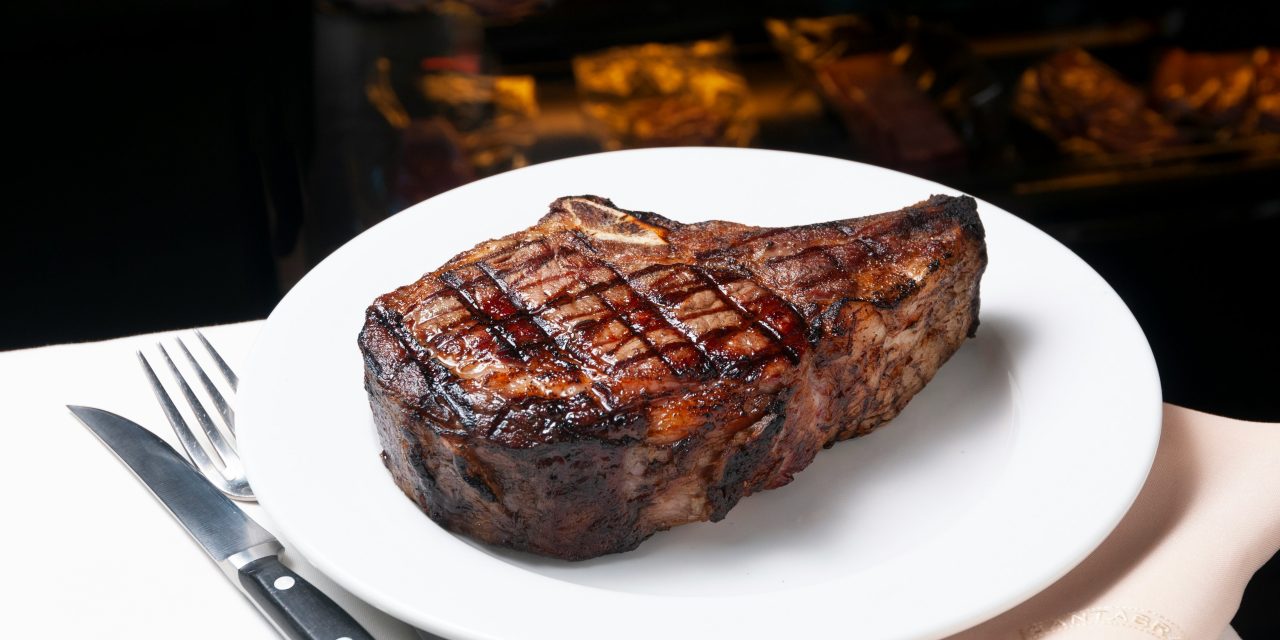
When it comes to preparing succulent pork chops, selecting the appropriate cut is paramount. Pork chops are derived from various sections of the pig, each offering distinct flavors and textures. The most common cuts include loin chops, rib chops, and shoulder chops. Loin chops, often considered the most tender, are cut from the back of the pig and are typically lean with a mild flavor. Rib chops, which come from the rib section, are slightly fattier and boast a rich taste, making them ideal for grilling or roasting. Shoulder chops, on the other hand, are more economical and possess a robust flavor due to their higher fat content, making them perfect for slow cooking methods.
In addition to these primary cuts, one should also consider bone-in versus boneless options. Bone-in chops tend to retain moisture better during cooking, resulting in a juicier final product. The bone also adds flavor during the cooking process. Conversely, boneless chops are easier to handle and cook more quickly, making them a convenient choice for busy weeknight dinners. Ultimately, the decision should be based on personal preference and the intended cooking method.
Understanding the Importance of Thickness
The thickness of pork chops plays a crucial role in achieving the desired texture and juiciness. Generally, pork chops should be at least 1 inch thick to ensure they remain moist during cooking. Thinner cuts can easily dry out, leading to an unappetizing dining experience. A thickness of 1 to 1.5 inches is often recommended for optimal results, as this allows for a perfect balance between a well-cooked interior and a beautifully seared exterior.
Moreover, thicker chops provide more leeway in cooking time and temperature management. They can withstand higher heat without overcooking, allowing for a delightful crust while maintaining a juicy center. When selecting pork chops, it is advisable to use a meat thermometer to monitor internal temperatures accurately. This ensures that the meat reaches the safe minimum internal temperature of 145°F (63°C) while still retaining its moisture.
Brining: The Secret to Juicy Pork Chops

Brining is an essential technique that can significantly enhance the juiciness of pork chops. This process involves soaking the meat in a saltwater solution, which helps to break down proteins and allows the meat to absorb moisture. A basic brine typically consists of water, salt, and optional flavorings such as sugar, herbs, or spices. The ideal brining time varies depending on the thickness of the chop; generally, a brine of 30 minutes to 4 hours is sufficient for optimal results.
The science behind brining lies in osmosis. As the pork absorbs the brine, it not only gains moisture but also enhances its flavor profile. This technique is particularly beneficial for lean cuts like loin chops that are prone to drying out during cooking. After brining, it is essential to rinse the pork chops under cold water to remove excess salt before proceeding with seasoning and cooking.
Proper Seasoning Techniques

Seasoning is an art that can elevate pork chops from ordinary to extraordinary. While salt and pepper are fundamental, exploring various herbs and spices can create a symphony of flavors that complement the natural taste of pork. Common seasonings include garlic powder, onion powder, paprika, thyme, rosemary, and sage. A well-balanced seasoning blend can enhance the overall flavor profile without overpowering the meat.
When applying seasoning, it is advisable to do so generously and evenly across all surfaces of the pork chop. For maximum flavor infusion, consider seasoning the meat at least 30 minutes before cooking or even overnight if time permits. This allows the spices to penetrate deeper into the meat fibers. Additionally, using a marinade can further enhance flavor while also tenderizing the meat.
Preheating Your Pan or Grill
Preheating your cooking surface is a critical step that should never be overlooked when preparing pork chops. Whether using a skillet or grill, ensuring that the surface reaches the appropriate temperature before adding the meat is essential for achieving a perfect sear. A hot surface creates an immediate Maillard reaction, which caramelizes the sugars on the meat’s surface and forms a delicious crust.
For stovetop cooking, preheat your skillet over medium-high heat for several minutes until it becomes hot enough to sizzle when a drop of water is added. If grilling, allow your grill to reach high heat before placing the pork chops on it. This not only enhances flavor but also helps prevent sticking and ensures even cooking throughout.
Searing for a Perfect Crust
Searing is a technique that involves cooking meat at high temperatures to create a flavorful crust while sealing in juices. For pork chops, this step is crucial in developing depth of flavor and texture. Once your pan or grill is adequately preheated, place the seasoned pork chops on the surface without overcrowding them; this allows for even heat distribution.
Sear each side for approximately 3-5 minutes without moving them around too much. This will allow for proper browning and caramelization to occur. After achieving a golden-brown crust on both sides, you can reduce the heat or transfer them to an oven to finish cooking through without burning the exterior.
Cooking to the Ideal Internal Temperature
Achieving the ideal internal temperature is vital for both safety and quality when cooking pork chops. The USDA recommends that pork be cooked to an internal temperature of 145°F (63°C), followed by a three-minute rest period before slicing or serving. This temperature ensures that harmful bacteria are eliminated while allowing for optimal juiciness.
Using an instant-read meat thermometer is highly recommended for accuracy. Insert it into the thickest part of the chop without touching bone or fat for an accurate reading. Once you reach 145°F (63°C), remove the pork from heat immediately to prevent overcooking.
Using the Reverse Sear Method
The reverse sear method has gained popularity among culinary enthusiasts for its ability to produce perfectly cooked pork chops with a delightful crust. This technique involves first cooking the meat at a low temperature in an oven until it reaches near its desired internal temperature before finishing with a high-heat sear on the stovetop or grill.
To implement this method, preheat your oven to 250°F (121°C). Place seasoned pork chops on a baking sheet and cook until they reach an internal temperature of about 130°F (54°C). Then transfer them to a hot skillet or grill for 1-2 minutes per side until they achieve a golden-brown crust and reach 145°F (63°C). This method ensures even cooking throughout while maximizing juiciness.
Resting the Pork Chops Before Serving
Resting is an often-overlooked step that can significantly impact the final quality of your pork chops. After removing them from heat, allow them to rest on a cutting board or plate for at least three minutes before slicing or serving. During this time, juices redistribute throughout the meat fibers, resulting in a more tender and flavorful chop.
Failing to rest pork chops can lead to excessive juice loss when cutting into them immediately after cooking. This simple yet effective technique ensures that every bite remains moist and delicious.
Avoiding Common Mistakes That Dry Out Pork
Several common pitfalls can lead to dry pork chops that lack flavor and tenderness. One major mistake is overcooking; using a meat thermometer can help prevent this issue by ensuring you cook to just the right internal temperature. Additionally, neglecting to brine or season adequately can result in bland meat that lacks moisture.
Another frequent error is not allowing sufficient resting time after cooking; this can cause juices to escape when sliced too soon. Lastly, overcrowding your pan or grill can lead to uneven cooking and steaming rather than searing. By being mindful of these common mistakes, you can ensure perfectly juicy pork chops every time.
Serving Suggestions to Enhance Juiciness
To further enhance the juiciness of your pork chops when serving, consider pairing them with complementary sauces or sides that add moisture and flavor. A rich apple cider reduction or tangy mustard sauce can elevate your dish while providing additional moisture. Alternatively, serving with fresh fruit salsas made from peaches or mangoes can add brightness and juiciness.
Accompanying sides such as creamy mashed potatoes or sautéed greens can also contribute to an overall satisfying meal experience. Incorporating elements that balance flavors and textures will not only enhance juiciness but also create an appealing presentation on your plate.
In summary, mastering the art of cooking juicy pork chops involves careful consideration of various factors including cut selection, thickness, brining techniques, seasoning methods, proper cooking temperatures, and resting times. By avoiding common mistakes and employing techniques such as reverse searing and thoughtful serving suggestions, you can create deliciously moist pork chops that will impress any palate.
FAQs
What is the best cooking method for juicy pork chops?
The best cooking methods for juicy pork chops include pan-searing, grilling, and baking. Each method allows for a good sear that locks in moisture. Using a meat thermometer to ensure the internal temperature reaches 145°F (63°C) is crucial for maintaining juiciness.
Should I brine pork chops before cooking?
Yes, brining pork chops can enhance their juiciness and flavor. A simple brine solution of water, salt, and sugar can be used to soak the chops for a few hours before cooking, which helps to retain moisture during the cooking process.
How long should I cook pork chops to keep them juicy?
The cooking time for pork chops varies depending on their thickness. Generally, boneless pork chops should be cooked for about 4-5 minutes per side over medium-high heat, while bone-in chops may take 6-7 minutes per side. Always use a meat thermometer to check for doneness.
What temperature should pork chops be cooked to?
Pork chops should be cooked to an internal temperature of 145°F (63°C) followed by a three-minute rest period. This ensures that the meat is safe to eat while still remaining juicy and tender.
How can I prevent pork chops from drying out?
To prevent pork chops from drying out, avoid overcooking them, use a marinade or brine, and let them rest after cooking. Additionally, cooking them with the bone in can help retain moisture, and using a skillet with a lid can create a steaming effect that keeps the meat juicy.