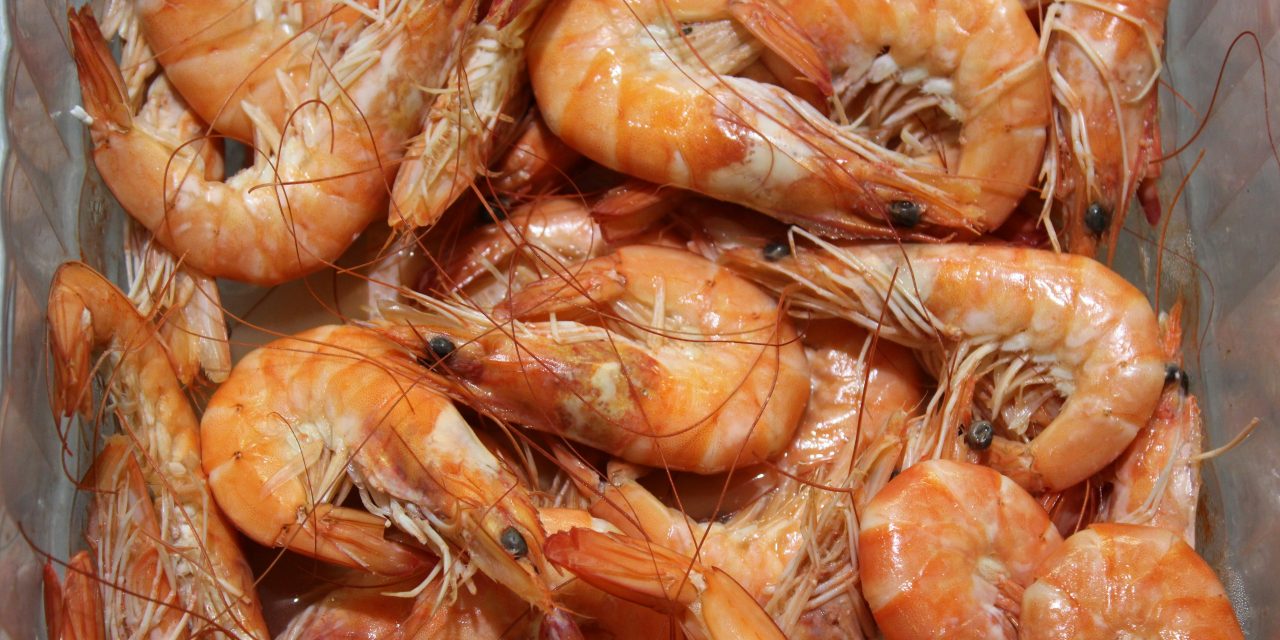
Shrimp is a popular seafood choice, celebrated for its delicate flavor and versatility in various culinary applications. However, many home cooks encounter the frustrating issue of rubbery shrimp, which can detract from the overall dining experience. The primary reason shrimp becomes rubbery is due to overcooking. When exposed to high heat for an extended period, the proteins in shrimp coagulate excessively, leading to a tough texture. This phenomenon is exacerbated by the shrimp’s relatively low fat content, which means there is less moisture to keep the meat tender.
Additionally, the quality of shrimp plays a significant role in its texture. Fresh shrimp, ideally sourced from reputable suppliers, tends to have a firmer and more succulent bite compared to previously frozen varieties. Factors such as the shrimp’s size, species, and even how it was harvested can influence its final texture. Understanding these fundamentals is crucial for anyone looking to prepare shrimp dishes that are both flavorful and pleasing to the palate.
Choosing the Right Type and Size of Shrimp
When selecting shrimp, it is essential to consider both the type and size to achieve optimal results in your culinary endeavors. Shrimp varieties range from sweet and succulent Gulf shrimp to the more robust flavor of Pacific white shrimp. Each type has its unique characteristics that can enhance specific dishes. For instance, larger shrimp, such as jumbo or colossal varieties, are ideal for grilling or serving as a centerpiece in dishes like shrimp cocktails. Conversely, smaller shrimp are often better suited for stir-fries or pasta dishes where they can blend seamlessly with other ingredients.
Size is another critical factor; shrimp are typically categorized by count per pound. For example, “16/20” indicates that there are 16 to 20 shrimp per pound. Larger shrimp tend to be more forgiving during cooking, as they require slightly longer cooking times, allowing for a more tender outcome. In contrast, smaller shrimp can quickly become overcooked if not monitored closely. Therefore, understanding the nuances of shrimp types and sizes can significantly impact the final dish’s quality.
Proper Thawing Techniques for Frozen Shrimp

For those using frozen shrimp, proper thawing techniques are paramount to maintaining texture and flavor. The most effective method is to transfer the shrimp from the freezer to the refrigerator and allow them to thaw overnight. This gradual thawing process helps preserve the shrimp’s natural moisture and prevents any textural changes that can occur with rapid thawing.
If time is of the essence, a quicker method involves placing the shrimp in a sealed plastic bag and submerging it in cold water for approximately 30 minutes. This technique ensures that the shrimp thaw evenly without compromising their quality. It is crucial to avoid using hot water or microwaving frozen shrimp, as these methods can lead to uneven thawing and may initiate the cooking process prematurely, resulting in rubbery textures.
The Importance of Deveining and Peeling

Deveining and peeling shrimp are essential steps that not only enhance presentation but also improve the overall eating experience. The dark vein running along the back of the shrimp is actually its digestive tract and can contain sand or grit, which may detract from the dish’s flavor and texture. Removing this vein ensures a cleaner taste and a more appealing appearance.
Peeling shrimp can also affect cooking times and methods. Leaving the shell on during cooking can help retain moisture and flavor; however, for certain dishes like salads or pasta, peeled shrimp may be more desirable for ease of consumption. Ultimately, whether you choose to devein and peel before or after cooking depends on your recipe and personal preference.
How to Brine Shrimp for Juiciness
Brining is an effective technique for enhancing the juiciness of shrimp while also infusing them with flavor. A simple brine solution consists of water mixed with salt—typically at a ratio of 1/4 cup of salt per quart of water. Soaking shrimp in this solution for 15 to 30 minutes before cooking allows them to absorb moisture and seasoning, resulting in a more succulent final product.
For added flavor, consider incorporating sugar, herbs, or spices into your brine solution. Ingredients such as garlic powder, lemon zest, or bay leaves can elevate the taste profile of your shrimp significantly. After brining, it is essential to rinse the shrimp thoroughly under cold water to remove excess salt before proceeding with your chosen cooking method.
Selecting the Best Cooking Methods for Tender Shrimp
The cooking method chosen can greatly influence the tenderness of shrimp. Popular techniques include grilling, sautéing, steaming, and boiling. Grilling imparts a smoky flavor while allowing excess moisture to escape; however, it requires careful monitoring to prevent overcooking. Sautéing in a hot pan with oil allows for quick cooking while retaining moisture if done correctly.
Steaming is another excellent option that preserves moisture without adding fat; this method is particularly effective for larger shrimp. Boiling can also yield tender results but should be approached with caution—shrimp should only be submerged until they turn pink and opaque. Each method has its advantages; selecting one that aligns with your desired flavor profile and texture will yield optimal results.
Mastering the Timing: How Long to Cook Shrimp
Timing is critical when it comes to cooking shrimp perfectly. Generally, shrimp cook quickly—typically within 2 to 5 minutes depending on their size and cooking method. For instance, small shrimp may only require 2 minutes when sautéed over high heat, while larger varieties may take up to 5 minutes when grilled or boiled.
A useful guideline is to monitor the color change; raw shrimp are translucent and grayish, while cooked shrimp turn opaque with a pink hue. Additionally, they should curl into a C-shape when fully cooked; if they form an O-shape, they may be overcooked. Mastering these timing cues will help ensure that your shrimp remain tender and flavorful.
Temperature Tips: Avoiding Overcooking Shrimp
To prevent overcooking shrimp, it is essential to monitor both cooking time and temperature closely. The ideal internal temperature for cooked shrimp is around 120°F (49°C). Using an instant-read thermometer can provide precise readings and help avoid any guesswork.
Another effective strategy is to remove shrimp from heat just before they reach this temperature since residual heat will continue cooking them slightly after removal from the heat source. This technique helps maintain optimal tenderness while preventing rubbery textures that result from prolonged exposure to heat.
Using Marinades and Seasonings to Enhance Flavor
Marinades play a vital role in enhancing the flavor profile of shrimp dishes while also contributing to tenderness. A well-balanced marinade typically includes an acid (such as lemon juice or vinegar), oil (like olive oil), and various seasonings (herbs, spices). Allowing shrimp to marinate for 15 to 30 minutes before cooking infuses them with flavor without overpowering their natural taste.
Experimenting with different marinades can yield exciting results; consider using Asian-inspired flavors like soy sauce and ginger or Mediterranean combinations featuring garlic and oregano. The key is to strike a balance between flavors that complement rather than overshadow the inherent sweetness of the shrimp.
Signs of Perfectly Cooked Shrimp to Look For
Identifying perfectly cooked shrimp involves observing several key indicators. First and foremost, look for a vibrant pink color with opaque flesh—this visual cue signifies doneness. Additionally, perfectly cooked shrimp should have a firm yet tender texture without being chewy or rubbery.
Another sign of readiness is the shape; ideally, cooked shrimp should curl into a loose C shape rather than tightly coiling into an O shape. Finally, if you cut into one of the larger pieces, it should reveal a moist interior without any translucency remaining. These indicators will help ensure that your shrimp are cooked just right every time.
Quick Tips to Rescue Slightly Overcooked Shrimp
If you find yourself with slightly overcooked shrimp, there are several strategies you can employ to salvage them. One effective method involves tossing them into a flavorful sauce or broth immediately after cooking; this can help reintroduce moisture and mask any rubbery texture.
Another option is to chop overcooked shrimp into smaller pieces and incorporate them into dishes like pasta or fried rice where they can blend with other ingredients. Adding creamy sauces or rich dressings can also help enhance flavor while providing moisture that counteracts any dryness from overcooking.
In summary, achieving perfectly cooked shrimp requires attention to detail throughout every stage of preparation—from selecting quality ingredients to mastering cooking techniques and timing. By understanding how various factors influence texture and flavor, you can elevate your culinary creations while avoiding common pitfalls associated with rubbery shrimp. With practice and experimentation, you will soon be able to serve up succulent dishes that showcase this beloved seafood at its finest.
FAQs
What is the ideal cooking time for shrimp?
The ideal cooking time for shrimp typically ranges from 2 to 5 minutes, depending on the size of the shrimp and the cooking method used. Smaller shrimp cook faster, while larger shrimp may take a bit longer. It’s important to remove them from heat as soon as they turn pink and opaque to avoid a rubbery texture.
How can I tell when shrimp are cooked perfectly?
Perfectly cooked shrimp will turn a bright pink color and have an opaque appearance. They should also curl into a C shape. If they curl into an O shape, they may be overcooked and rubbery. Additionally, the internal temperature should reach 120°F (49°C).
What cooking methods are best for avoiding rubbery shrimp?
To avoid rubbery shrimp, consider using quick cooking methods such as sautéing, grilling, or boiling. These methods allow for rapid cooking, which helps maintain the shrimp’s tenderness. Steaming is also a good option, as it cooks shrimp gently without direct contact with heat.
Should I devein shrimp before cooking?
Yes, deveining shrimp is recommended before cooking. The dark vein along the back of the shrimp is the digestive tract and can affect the shrimp’s texture and flavor. Removing it not only improves presentation but also enhances the overall taste of the dish.
Can I marinate shrimp to enhance flavor without affecting texture?
Yes, marinating shrimp can enhance their flavor without negatively impacting their texture, as long as the marinade is not too acidic or left on for too long. A marinade with citrus juice should be limited to 15-30 minutes, while oil-based marinades can be used for longer periods. This helps to infuse flavor while keeping the shrimp tender.