The culinary world is a complex tapestry woven from various elements that contribute to the overall flavor profile of a dish. Among these, four fundamental pillars stand out: salt, acid, fat, and heat. Each of these components plays a crucial role in the creation of balanced and harmonious flavors. Understanding how they interact can elevate your cooking from mundane to extraordinary.
Salt is often considered the most essential seasoning, enhancing the natural flavors of ingredients while also acting as a preservative. Acid, on the other hand, introduces brightness and sharpness, cutting through richness and adding complexity. Fat provides a luxurious mouthfeel and depth, while heat is responsible for texture development and flavor transformation through cooking techniques. Mastering these four pillars allows chefs and home cooks alike to create dishes that are not only delicious but also well-rounded and satisfying.
The Role of Salt: Enhancing and Balancing Taste
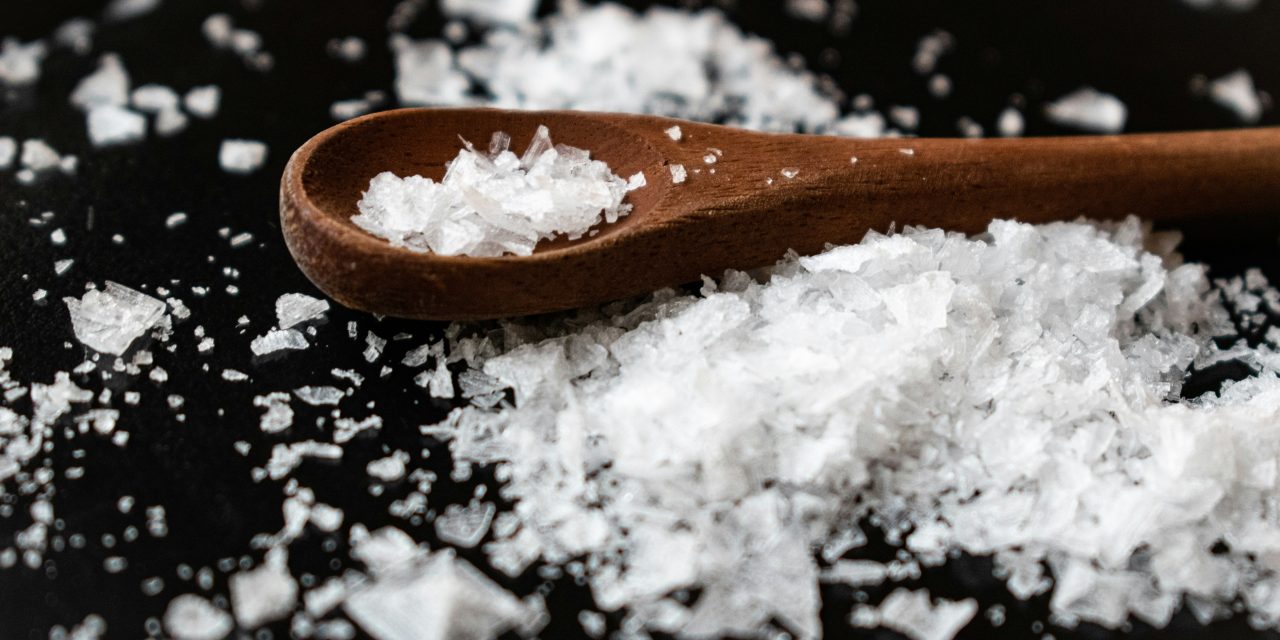
Salt is a mineral that has been used for centuries not only as a seasoning but also as a means of preservation. Its primary function in cooking is to enhance flavors by amplifying the natural taste of ingredients. When used judiciously, salt can bring out the sweetness in vegetables, the richness in meats, and the complexity in sauces. It acts as a flavor enhancer by stimulating the taste buds, making food more enjoyable.
However, the challenge lies in achieving the right balance. Too much salt can overpower a dish, masking other flavors and rendering it unpalatable. Conversely, insufficient salt can lead to blandness. The key is to understand the different types of salt available—table salt, kosher salt, sea salt—and their varying levels of salinity. Each type has its unique characteristics and applications in cooking. For instance, kosher salt is favored by many chefs for its coarse texture and ease of handling, while sea salt often boasts a more complex flavor profile due to its mineral content.
Harnessing Acid: Brightening and Cutting Through Richness

Acid is an essential component in cooking that serves to brighten flavors and provide contrast to rich or fatty dishes. Common sources of acid include vinegar, citrus juices, and fermented products like yogurt or sour cream. The inclusion of acid can elevate a dish by adding layers of complexity and enhancing the overall flavor experience.
Incorporating acid into your cooking can also help balance richness. For example, a creamy pasta sauce can benefit from a splash of lemon juice or a drizzle of balsamic vinegar to cut through the heaviness. Additionally, acid can act as a tenderizer for meats, breaking down proteins and resulting in a more succulent texture. Understanding how to use acid effectively allows cooks to create dishes that are not only flavorful but also well-balanced.
Incorporating Fat: Adding Depth and Smoothness

Fat plays a pivotal role in cooking by providing richness, depth, and smoothness to dishes. It serves as a carrier for flavors, allowing them to meld together harmoniously. Different types of fats—such as oils, butter, and animal fats—each impart their unique characteristics to food. For instance, olive oil adds a fruity note, while butter contributes a creamy texture.
In addition to flavor enhancement, fat also affects the mouthfeel of a dish. A well-balanced dish often contains an appropriate amount of fat that complements other ingredients without overwhelming them. Techniques such as emulsification can create smooth sauces that bind flavors together seamlessly. Understanding how to incorporate fat effectively can transform ordinary dishes into culinary masterpieces.
Mastering Heat: Developing Texture and Complexity
Heat is an essential element in cooking that influences both flavor development and texture. Different cooking methods—such as roasting, grilling, sautéing, or braising—utilize heat in various ways to achieve desired results. Each technique imparts unique flavors and textures to ingredients.
For example, high heat can create caramelization on vegetables or meats, resulting in complex flavors and appealing textures. Conversely, low and slow cooking methods allow for tenderization and flavor infusion over time. Mastering heat involves understanding how to control temperature and timing to achieve optimal results in your dishes. This knowledge enables cooks to develop layers of flavor while ensuring even cooking throughout.
How to Taste and Adjust Salt Levels in Your Dishes
Tasting is an integral part of the cooking process that allows chefs to assess flavor profiles and make necessary adjustments. When it comes to salt levels, it’s essential to taste at various stages of cooking. Start with small amounts of salt early on; this allows you to build flavor gradually without overwhelming the dish.
As you taste, consider the overall balance of flavors. If a dish feels flat or lacks depth, it may benefit from additional salt. However, be cautious—adding too much salt can be difficult to rectify. If you find yourself in this situation, consider diluting the dish with additional ingredients or balancing it with acid or sweetness.
Using Acid to Elevate and Balance Flavors
Acid can be a game-changer when it comes to elevating flavors in your dishes. To effectively use acid, consider the overall profile of your dish—what flavors are present? What textures are you working with? A well-placed splash of vinegar or squeeze of lemon juice can brighten up a heavy stew or enhance the freshness of a salad.
When incorporating acid, it’s important to start with small amounts and gradually increase until you achieve the desired balance. Remember that different acids have varying intensities; for instance, lemon juice is bright and zesty while balsamic vinegar offers sweetness alongside acidity. Experimenting with different types of acids can lead to exciting flavor combinations that surprise and delight your palate.
Choosing the Right Fats for Different Cooking Methods
Selecting the appropriate fat for your cooking method is crucial for achieving optimal results. Each type of fat has its smoke point—the temperature at which it begins to break down and produce off-flavors. For high-heat cooking methods like frying or sautéing, oils with high smoke points such as canola or grapeseed oil are ideal choices.
Conversely, fats like butter or olive oil are better suited for lower-heat applications where their flavors can shine without burning. Additionally, consider the flavor profile you wish to achieve; for instance, using rendered bacon fat can impart a smoky richness that enhances certain dishes. Understanding how different fats behave under heat allows cooks to make informed decisions that elevate their culinary creations.
Controlling Heat: Techniques for Even Cooking and Flavor Development
Controlling heat is essential for achieving even cooking and developing complex flavors in your dishes. Techniques such as searing meat at high temperatures create a Maillard reaction that enhances flavor through browning. Conversely, slow-cooking methods allow for gradual flavor infusion and tenderization.
Using tools like thermometers can help ensure that proteins are cooked to safe temperatures without overcooking them. Additionally, understanding how residual heat affects cooking can help you achieve perfect doneness; for example, removing meat from heat slightly before it reaches the desired temperature allows it to continue cooking as it rests.
Combining All Four Elements for Harmonious Dishes
The true magic happens when all four pillars—salt, acid, fat, and heat—are combined thoughtfully in a dish. Each element complements the others, creating a harmonious balance that tantalizes the palate. For instance, consider a classic vinaigrette: the salt enhances flavor while acid provides brightness; oil adds richness; and whisking incorporates air for texture.
When crafting your dishes, aim for synergy among these elements. A well-seasoned protein paired with a bright sauce can create an unforgettable dining experience. Experimentation is key; don’t be afraid to adjust each element until you find the perfect balance that resonates with your taste preferences.
Practical Tips and Tricks for Balancing Salt, Acid, Fat, and Heat at Home
Achieving balance among salt, acid, fat, and heat may seem daunting at first; however, several practical tips can simplify the process:
1. **Taste Frequently**: Regularly taste your dishes throughout the cooking process to assess flavor development.
2. **Start Small**: When adding salt or acid, begin with small amounts; you can always add more if needed.
3. **Use Fresh Ingredients**: Fresh produce often has more inherent flavor; this reduces the need for excessive seasoning.
4. **Experiment with Acids**: Try different types of acids—vinegars, citrus juices—to discover new flavor dimensions.
5. **Know Your Fats**: Familiarize yourself with various fats’ smoke points and flavor profiles for optimal pairing.
6. **Control Temperature**: Invest in quality cookware that distributes heat evenly; this ensures consistent results.
7. **Practice Patience**: Allow flavors to meld by letting dishes rest before serving; this enhances overall taste.
By incorporating these strategies into your cooking routine, you’ll develop an intuitive understanding of how to balance these four essential elements effectively.
In summary, mastering the four pillars of flavor—salt, acid, fat, and heat—is fundamental for any aspiring chef or home cook looking to elevate their culinary skills. Each element plays a distinct role in creating balanced dishes that tantalize the palate while providing depth and complexity. By understanding how these components interact and employing practical techniques for adjustment and experimentation, you can transform ordinary meals into extraordinary culinary experiences that delight both yourself and those you serve.
FAQs
What are the four essential elements of flavor in cooking?
The four essential elements of flavor in cooking are salt, acid, fat, and heat. Each element plays a crucial role in enhancing the overall taste and texture of a dish. Salt enhances flavors, acid adds brightness and balance, fat provides richness and mouthfeel, and heat influences the cooking process and the development of flavors.
How can I effectively use salt in my cooking?
To effectively use salt in cooking, start by seasoning your ingredients at different stages of the cooking process. Use kosher salt or sea salt for better control over seasoning. Taste as you go, and remember that salt can enhance the natural flavors of ingredients, so it’s important to find the right balance without overpowering the dish.
What role does acid play in balancing flavors?
Acid plays a vital role in balancing flavors by cutting through richness and adding brightness to dishes. Common sources of acid include vinegar, citrus juice, and fermented products. Adding a splash of acid at the end of cooking can elevate the dish and enhance the overall flavor profile, making it more vibrant and appealing.
How does fat contribute to the cooking process?
Fat contributes to the cooking process by providing richness, moisture, and a desirable mouthfeel. It also helps to carry flavors and can enhance the texture of a dish. Different types of fats, such as oils, butter, and animal fats, can impart unique flavors and characteristics, so choosing the right fat for your dish is essential for achieving the desired outcome.
What is the importance of heat in cooking?
Heat is crucial in cooking as it affects the texture, flavor development, and safety of food. Different cooking methods, such as roasting, boiling, or sautéing, apply heat in various ways, leading to different results. Understanding how to control heat allows cooks to achieve the desired doneness and flavor complexity in their dishes.