Asparagus, a perennial vegetable belonging to the lily family, is celebrated for its delicate flavor and impressive nutritional profile. Rich in vitamins A, C, E, K, and B6, as well as folate, iron, and fiber, this green spear is not only a culinary delight but also a powerhouse of health benefits. Cooking asparagus in the oven is a popular method that enhances its natural sweetness while achieving a delightful crisp-tender texture. Roasting allows the vegetable to caramelize slightly, intensifying its flavor and making it an appealing side dish or main ingredient in various recipes.
The oven-roasting technique is straightforward yet yields impressive results. By applying dry heat, the asparagus develops a beautiful golden-brown exterior while retaining its vibrant green color. This cooking method is versatile and can be adapted to suit various dietary preferences and flavor profiles. Whether you are preparing a simple weeknight dinner or an elaborate feast, oven-roasted asparagus can elevate your meal with minimal effort.
Selecting the Freshest Asparagus
Choosing the right asparagus is crucial for achieving optimal flavor and texture. When selecting asparagus at the market or grocery store, look for firm, straight stalks with tightly closed tips. The color should be vibrant green, indicating freshness; however, some varieties may exhibit a purplish hue at the tips. Avoid stalks that appear wilted or have soft spots, as these are signs of aging.
The thickness of the stalks can also influence cooking time and texture. Thinner stalks tend to be more tender and cook faster, while thicker stalks offer a heartier bite. Depending on your preference and intended use, you may choose either variety. Additionally, consider purchasing asparagus that is in season—typically from late winter to early spring—when it is most flavorful and affordable.
Preparing Asparagus for Roasting

Preparation is key to ensuring that your asparagus roasts evenly and absorbs flavors effectively. Begin by rinsing the asparagus under cold water to remove any dirt or debris. After washing, gently pat the stalks dry with a clean kitchen towel or paper towel. This step is essential as excess moisture can hinder the roasting process and lead to steaming rather than roasting.
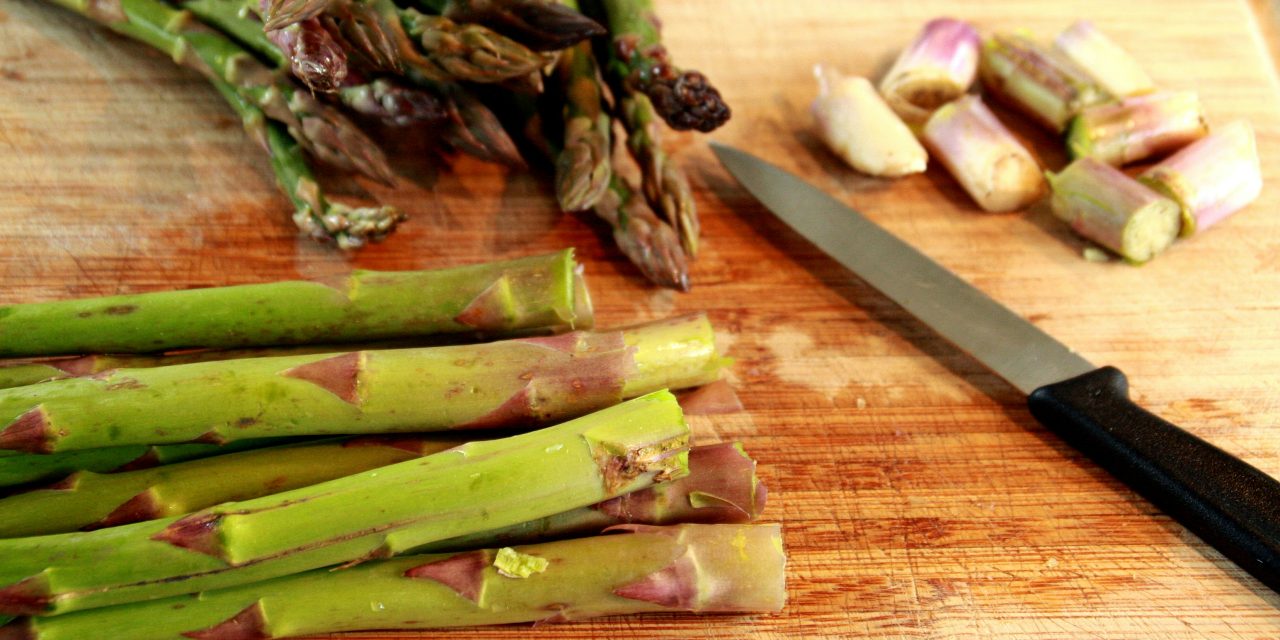
Next, trim the woody ends of the asparagus. The tough base can be quite fibrous and unpleasant to eat. A general rule of thumb is to cut about one to two inches from the bottom of each stalk, or you can bend each spear gently until it naturally snaps at its breaking point. This method ensures that you remove the tough portion without wasting any edible parts. Once trimmed, you can choose to leave the asparagus whole or cut it into smaller pieces depending on your preference and presentation style.
Choosing the Right Oven Temperature

The temperature at which you roast asparagus significantly impacts its final texture and flavor. A common recommendation for roasting vegetables is to preheat your oven to 425°F (220°C). This high temperature allows for quick cooking while promoting caramelization, resulting in a deliciously roasted exterior.
If you prefer a softer texture or are roasting other vegetables alongside the asparagus that require lower temperatures, you may opt for 375°F (190°C). However, keep in mind that cooking at this lower temperature may extend the roasting time and reduce the caramelization effect. Regardless of your chosen temperature, always ensure that your oven is fully preheated before placing the asparagus inside for optimal results.
Seasoning Options for Oven-Roasted Asparagus
Seasoning plays a pivotal role in enhancing the flavor profile of roasted asparagus. The simplest approach involves drizzling olive oil over the spears and sprinkling them with salt and freshly cracked black pepper. This classic combination allows the natural flavors of the vegetable to shine through while adding depth.
For those seeking more adventurous flavors, consider incorporating garlic powder, lemon zest, or red pepper flakes for a hint of heat. Fresh herbs such as thyme, rosemary, or parsley can also elevate the dish with aromatic notes. Additionally, balsamic vinegar or soy sauce can be drizzled over the asparagus before roasting for a tangy twist. Experimenting with different seasonings can lead to delightful variations that cater to diverse palates.
Step-by-Step Guide to Roasting Asparagus
Roasting asparagus is a straightforward process that requires minimal preparation and attention. Follow these steps for perfectly roasted spears:
1. Preheat your oven to 425°F (220°C).
2. Rinse and dry the asparagus thoroughly.
3. Trim the woody ends by cutting one to two inches off or snapping them at their natural breaking point.
4. Place the asparagus on a baking sheet lined with parchment paper for easy cleanup.
5. Drizzle with olive oil and sprinkle with salt and pepper (or your chosen seasonings).
6. Toss gently to ensure even coating.
7. Spread the asparagus in a single layer on the baking sheet to promote even cooking.
8. Roast in the preheated oven for 12-15 minutes, depending on thickness.
9. Remove from the oven and serve immediately.
Tips for Even Cooking and Crispiness
Achieving even cooking and crispiness requires attention to detail during preparation and roasting. First, ensure that all asparagus spears are of similar thickness; this will help them cook uniformly. If you have a mix of thin and thick stalks, consider separating them onto different baking sheets or adjusting their cooking times accordingly.
Another tip for enhancing crispiness is to avoid overcrowding the baking sheet. When vegetables are packed too closely together, they tend to steam rather than roast, resulting in a less desirable texture. If necessary, use two baking sheets to allow ample space between each spear.
Lastly, flipping the asparagus halfway through roasting can promote even browning on all sides. Use tongs or a spatula to turn them gently without breaking the delicate spears.
How to Tell When Asparagus is Perfectly Cooked
Determining when asparagus is perfectly cooked involves observing both visual cues and texture. Ideally, roasted asparagus should be bright green with slightly charred tips and tender yet firm stalks. The spears should bend easily without snapping when lifted from one end.
To test for doneness, pierce a spear with a fork; it should yield slightly but still retain some resistance. Overcooking can lead to mushy asparagus that loses its vibrant color and nutritional value, so it’s essential to monitor closely during the final minutes of roasting.
Creative Variations and Flavor Enhancements
While classic roasted asparagus is delightful on its own, there are numerous creative variations that can enhance its appeal further. For instance, consider adding grated Parmesan cheese during the last few minutes of roasting for a savory finish that melts beautifully over the spears.
Another option is to wrap individual stalks with prosciutto or bacon before roasting; this adds a salty crunch that complements the vegetable’s natural sweetness. For a Mediterranean twist, toss roasted asparagus with cherry tomatoes, olives, and feta cheese after cooking for a refreshing salad.
Additionally, experimenting with different oils such as sesame oil or infused oils can impart unique flavors that elevate your dish beyond traditional seasoning methods.
Serving Suggestions for Oven-Roasted Asparagus
Oven-roasted asparagus can be served in various ways depending on your meal’s theme or occasion. As a side dish, it pairs beautifully with grilled meats such as chicken or steak, providing a colorful contrast on the plate while adding nutritional value.
For a light lunch or appetizer, consider serving roasted asparagus atop a bed of mixed greens drizzled with balsamic vinaigrette or lemon dressing. Alternatively, it can be incorporated into pasta dishes or grain bowls for added texture and flavor.
For special occasions or holiday gatherings, arrange roasted asparagus on a platter garnished with lemon wedges and fresh herbs for an elegant presentation that impresses guests.
Storing and Reheating Leftover Asparagus
If you find yourself with leftover roasted asparagus, proper storage is essential to maintain its quality. Allow the spears to cool completely before transferring them to an airtight container; they can be stored in the refrigerator for up to three days.
When reheating leftover asparagus, avoid using high heat as this can lead to overcooking and loss of texture. Instead, gently warm them in a skillet over low heat or place them in a preheated oven at 350°F (175°C) for about 5-10 minutes until heated through.
For those who enjoy cold dishes, leftover roasted asparagus can also be added cold to salads or grain bowls without reheating.
In summary, cooking asparagus in the oven is an accessible yet rewarding culinary endeavor that enhances its natural flavors while providing numerous health benefits. By selecting fresh spears, preparing them properly, choosing appropriate temperatures and seasonings, and following straightforward roasting techniques, anyone can create delicious oven-roasted asparagus that complements any meal beautifully. With creative variations and serving suggestions available, this versatile vegetable can easily become a staple in your kitchen repertoire while offering delightful taste experiences every time it graces your table.
FAQs
What temperature should I set my oven to for cooking asparagus?
For cooking asparagus in the oven, it is generally recommended to preheat your oven to 400°F (200°C). This temperature allows the asparagus to roast evenly and develop a nice, tender texture while achieving a slight crispness on the outside.
How long does it take to cook asparagus in the oven?
The cooking time for asparagus in the oven typically ranges from 12 to 15 minutes, depending on the thickness of the asparagus spears. Thinner spears may take closer to 10 minutes, while thicker ones may require up to 20 minutes. It’s best to check for tenderness and a slight browning to determine doneness.
Should I wash asparagus before cooking it?
Yes, you should wash asparagus before cooking it. Rinse the spears under cold running water to remove any dirt or grit. After washing, pat them dry with a paper towel to ensure they roast properly without steaming.
What seasonings work well with roasted asparagus?
Common seasonings that complement roasted asparagus include olive oil, salt, pepper, garlic powder, lemon juice, and Parmesan cheese. You can also experiment with herbs like thyme, rosemary, or red pepper flakes for added flavor.
Can I cook asparagus with other vegetables in the oven?
Yes, asparagus can be cooked alongside other vegetables in the oven. Just make sure to choose vegetables that have similar cooking times, such as bell peppers, zucchini, or cherry tomatoes. Cut them into similar sizes to ensure even cooking.