Roasting Brussels sprouts has become a culinary trend that transcends mere popularity; it is a celebration of flavor, texture, and nutrition. This cruciferous vegetable, often maligned in childhood, transforms into a delectable dish when subjected to the high heat of an oven. The roasting process caramelizes the natural sugars within the sprouts, resulting in a delightful contrast between crispy exteriors and tender interiors. Nutritionally, Brussels sprouts are a powerhouse, rich in vitamins C and K, fiber, and antioxidants, making them an excellent addition to any diet.
Moreover, roasting enhances the vegetable’s inherent nutty flavor while reducing bitterness, making it more palatable for even the most discerning eaters. The versatility of Brussels sprouts allows them to be paired with various ingredients, from savory to sweet, making them suitable for any meal occasion. Whether served as a side dish or incorporated into salads and grain bowls, roasted Brussels sprouts can elevate any dining experience.
Choosing the Freshest Brussels Sprouts
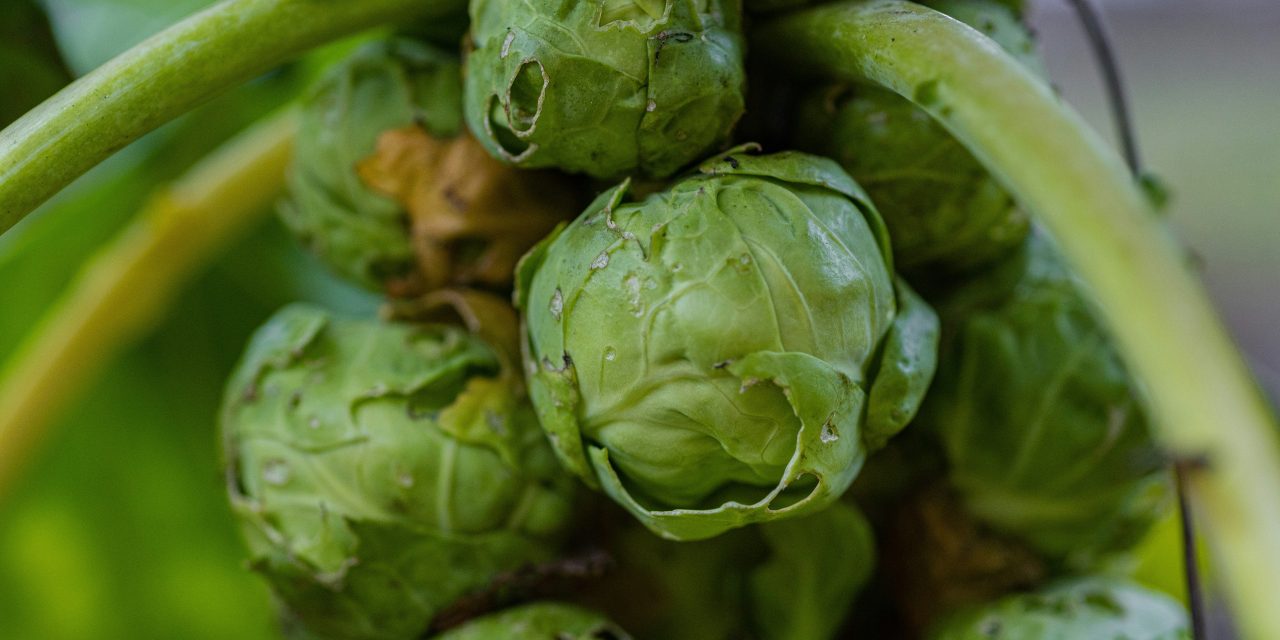
Selecting the freshest Brussels sprouts is crucial for achieving optimal flavor and texture. When shopping for these mini cabbages, look for firm, compact heads with vibrant green leaves. Avoid any that exhibit yellowing or wilting, as these signs indicate age and potential spoilage. The size of the sprouts can also affect cooking time; smaller sprouts tend to be sweeter and more tender, while larger ones may require longer roasting times.
Additionally, consider purchasing Brussels sprouts still attached to their stalks when available. This method not only ensures freshness but also adds a rustic touch to your kitchen. If you cannot find them on the stalk, opt for loose sprouts that feel heavy for their size. Freshness can also be determined by the absence of blemishes or soft spots on the surface. Proper storage is essential; keep them in a perforated plastic bag in the refrigerator to maintain their crispness for up to a week.
Preparing Brussels Sprouts for Roasting

Preparation is key to achieving perfectly roasted Brussels sprouts. Begin by rinsing the sprouts under cold water to remove any dirt or debris. After washing, trim the stem ends with a sharp knife, ensuring not to cut too much off, as this can lead to disintegration during cooking. Next, remove any outer leaves that appear damaged or discolored; this step helps maintain the integrity of the vegetable.
Once trimmed and cleaned, halving the Brussels sprouts is often recommended for even cooking and enhanced caramelization. This technique increases surface area exposure to heat, allowing for a more pronounced roasted flavor. For larger sprouts, quartering may be necessary to ensure uniformity in size. After cutting, pat them dry thoroughly with a clean kitchen towel or paper towels to remove excess moisture, which can hinder the roasting process.
The Importance of Drying Brussels Sprouts Thoroughly

Drying Brussels sprouts thoroughly before roasting is a critical step that should not be overlooked. Excess moisture can lead to steaming rather than roasting, resulting in soggy vegetables devoid of that coveted crispy texture. The goal is to achieve a dry surface that allows for optimal browning during cooking.
To ensure thorough drying, after washing and trimming, place the sprouts on a clean kitchen towel or paper towels and gently blot them until no moisture remains. Alternatively, you can use a salad spinner to remove excess water effectively. This simple yet vital step will significantly enhance the final outcome of your roasted Brussels sprouts.
Selecting the Right Oil for Roasting
Choosing the appropriate oil for roasting Brussels sprouts can significantly impact flavor and texture. Oils with high smoke points are ideal for roasting at elevated temperatures; options such as avocado oil, grapeseed oil, or refined olive oil are excellent choices. These oils not only withstand high heat without breaking down but also impart subtle flavors that complement the natural taste of the sprouts.
Extra virgin olive oil is another popular option due to its rich flavor profile and health benefits; however, it has a lower smoke point than refined oils. If using extra virgin olive oil, monitor the roasting process closely to prevent burning. Aim for about 1-2 tablespoons of oil per pound of Brussels sprouts to ensure even coating without overwhelming the dish.
Seasoning Tips for Flavorful Brussels Sprouts
Seasoning is where creativity can shine when preparing roasted Brussels sprouts. A simple combination of salt and pepper can elevate their natural flavors significantly; however, experimenting with various herbs and spices can take your dish to new heights. Garlic powder, onion powder, smoked paprika, or even chili flakes can add depth and complexity.
For an added layer of flavor, consider incorporating balsamic vinegar or lemon juice before serving. These acidic components can brighten the dish and balance out the richness of the roasted sprouts. Additionally, fresh herbs such as thyme or rosemary can be sprinkled on before roasting or added afterward for a burst of freshness.
Arranging Brussels Sprouts on the Baking Sheet
The arrangement of Brussels sprouts on the baking sheet plays a crucial role in achieving even cooking and optimal crispiness. Begin by preheating your oven to the desired temperature—typically around 400°F (200°C) for roasting vegetables. Line a baking sheet with parchment paper or aluminum foil for easy cleanup and to prevent sticking.
When placing the Brussels sprouts on the sheet, ensure they are spread out in a single layer without overcrowding. Overlapping can lead to uneven cooking and steaming rather than roasting. If necessary, use two baking sheets to accommodate all the sprouts comfortably. This arrangement allows hot air to circulate around each sprout, promoting even browning and crispiness.
Optimal Oven Temperature for Crispy Edges
The temperature at which you roast Brussels sprouts is pivotal in achieving that desirable crispy edge while maintaining tenderness inside. An optimal temperature range is between 400°F (200°C) and 425°F (220°C). This high heat facilitates caramelization—the Maillard reaction—resulting in those beautifully browned exteriors that enhance flavor.
Preheating your oven is essential; placing cold vegetables in a hot oven can lead to uneven cooking. Once preheated, place your baking sheet in the center of the oven for consistent heat distribution. If you notice that some sprouts are browning faster than others during cooking, consider rotating the baking sheet halfway through to ensure uniformity.
Roasting Time and When to Flip
Roasting time for Brussels sprouts typically ranges from 20 to 30 minutes, depending on their size and your desired level of crispiness. Smaller halved sprouts may require closer to 20 minutes, while larger quartered ones may need up to 30 minutes or more. It’s essential to keep an eye on them as they roast; visual cues such as browning edges indicate they are nearing completion.
Flipping or stirring the Brussels sprouts halfway through cooking is crucial for achieving even browning on all sides. Use a spatula or tongs to turn them gently without breaking apart; this action allows all surfaces to come into contact with the hot baking sheet and promotes that sought-after crispy texture.
Finishing Touches: Adding Extra Crispiness and Flavor
Once your Brussels sprouts have reached their desired level of doneness, consider adding finishing touches that enhance both flavor and texture. A sprinkle of grated Parmesan cheese during the last few minutes of roasting can create a delightful crust while adding savory depth. Alternatively, tossing them with toasted nuts such as almonds or walnuts after roasting introduces an appealing crunch.
For an extra burst of flavor, drizzle balsamic reduction or a squeeze of fresh lemon juice over the finished dish just before serving. These additions not only enhance taste but also provide visual appeal with their contrasting colors.
Serving Suggestions and Recipe Variations
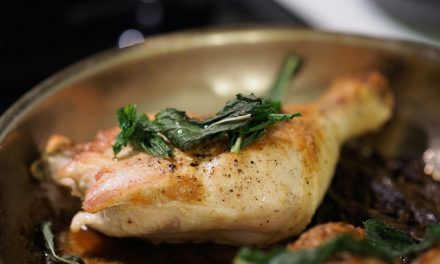
Roasted Brussels sprouts can be served in various ways that cater to different palates and occasions. As a side dish, they pair beautifully with roasted meats such as chicken or pork chops, providing a nutritious complement to hearty entrees. For a vegetarian option, consider tossing them into a warm quinoa salad with cranberries and feta cheese for added texture and flavor.
For those seeking innovative variations, try incorporating different ingredients into your roasted Brussels sprouts recipe. Adding diced bacon or pancetta before roasting infuses smoky richness into each bite. Alternatively, tossing them with maple syrup before roasting creates a sweet-savory combination that appeals to those with a penchant for sweetness.
In conclusion, mastering the art of roasting Brussels sprouts involves careful selection of fresh produce, meticulous preparation techniques, and thoughtful seasoning choices. By following these guidelines—from drying thoroughly to selecting appropriate oils—you can create a dish that showcases this often-overlooked vegetable in its best light. Whether served as a side dish or incorporated into more complex recipes, roasted Brussels sprouts are sure to impress at any dining table.
In summary: Roasting Brussels sprouts transforms them into a flavorful dish through careful selection and preparation techniques. Choosing fresh produce ensures quality; drying thoroughly prevents sogginess while selecting high-smoke-point oils enhances flavor during roasting at optimal temperatures (400°F-425°F). Seasoning creatively adds depth; arranging evenly on baking sheets promotes crispiness during cooking (20-30 minutes). Finishing touches like cheese or nuts elevate taste further—making roasted Brussels sprouts versatile enough for various meals!
FAQs
What temperature should I roast Brussels sprouts for crispy edges?
For crispy edges, it is recommended to roast Brussels sprouts at a temperature of 400°F (200°C). This high heat helps to caramelize the outer leaves and achieve that desired crispiness.
How long should I roast Brussels sprouts?
Brussels sprouts should typically be roasted for about 20 to 30 minutes. It’s important to toss them halfway through the cooking time to ensure even browning and crispiness on all sides.
Should I cut Brussels sprouts before roasting?
Yes, cutting Brussels sprouts in half or quarters before roasting can help them cook more evenly and allows for more surface area to become crispy. This also helps them absorb seasonings better.
What oil is best for roasting Brussels sprouts?
Olive oil is a popular choice for roasting Brussels sprouts due to its flavor and ability to withstand high temperatures. Other oils like avocado oil or canola oil can also be used for a neutral taste.
Can I add seasonings to Brussels sprouts before roasting?
Absolutely! Adding seasonings such as salt, pepper, garlic powder, or even balsamic vinegar before roasting can enhance the flavor. Just be sure to toss the Brussels sprouts well to evenly coat them with the seasonings.