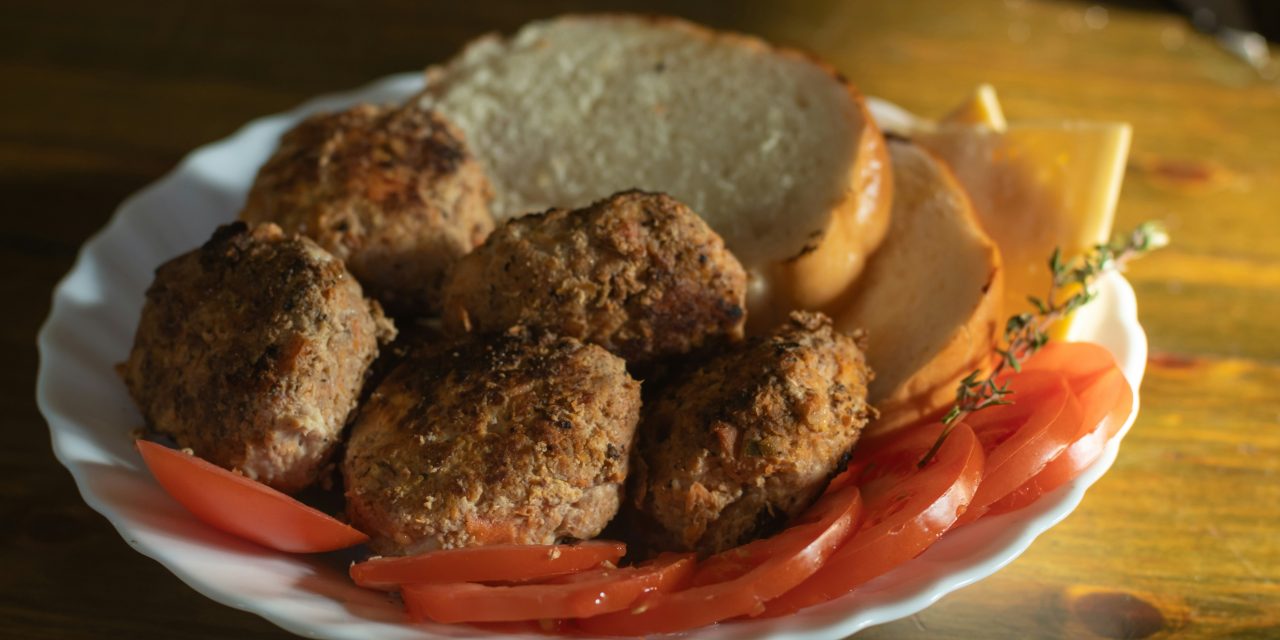
Tender meatballs are a culinary delight, characterized by their soft, juicy texture that melts in the mouth. Achieving this tenderness involves a delicate balance of ingredients and techniques. The primary factors contributing to the tenderness of meatballs include the choice of meat, fat content, moisture levels, and the incorporation of binders. Each of these elements plays a crucial role in ensuring that the meatballs do not become dense or dry during cooking.
The science behind tenderness lies in the muscle fibers of the meat. When ground, these fibers can become tough if not handled properly. The key is to break down the connective tissues without overworking the mixture. Additionally, the right cooking method can significantly influence the final texture. Understanding these fundamentals is essential for anyone looking to create perfect meatballs that are both flavorful and tender.
Choosing the Right Meat for Tender Meatballs
Selecting the appropriate type of meat is paramount in crafting tender meatballs. Ground beef, pork, turkey, and chicken are popular choices, each offering distinct flavors and textures. For instance, ground beef with a fat content of around 80/20 is often favored for its rich flavor and moisture retention. Conversely, leaner meats like turkey or chicken can yield drier results if not balanced with adequate fat or moisture.
When choosing meat, consider the cut from which it is derived. Cuts with more marbling, such as chuck or shoulder, tend to produce juicier meatballs compared to lean cuts like sirloin or breast. Additionally, blending different types of meat can enhance both flavor and texture. For example, combining ground beef with pork can create a succulent mixture that benefits from the unique qualities of each meat.
The Importance of Fat Content in Meatball Mixture

Fat content is a critical component in achieving tender meatballs. Fat not only contributes to flavor but also plays a vital role in moisture retention during cooking. A mixture with approximately 15-20% fat content is ideal for maintaining juiciness while preventing dryness. This fat renders during cooking, creating a luscious mouthfeel that enhances the overall eating experience.
Incorporating fatty ingredients such as bacon or pancetta can elevate the flavor profile while ensuring tenderness. However, it is essential to strike a balance; too much fat can lead to greasy meatballs, while too little can result in a dry texture. Understanding the right proportions is key to achieving that perfect bite.
Adding Binders: Eggs, Breadcrumbs, and Alternatives

Binders are essential for holding meatballs together and contributing to their overall texture. Eggs are the most common binder used in meatball recipes, providing moisture and helping to bind the ingredients cohesively. Typically, one egg per pound of meat is sufficient to achieve optimal binding without compromising tenderness.
Breadcrumbs also play a significant role in maintaining moisture and structure. They absorb juices during cooking, preventing the meatballs from becoming dry. Alternatives such as crushed crackers or oats can be used for those seeking gluten-free options. The choice of binder can influence not only texture but also flavor; seasoned breadcrumbs can add an extra layer of taste to the final product.
Incorporating Moisture: Milk, Water, and Other Liquids
Moisture is a crucial factor in creating tender meatballs. Adding liquids such as milk or broth can enhance the mixture’s juiciness and flavor profile. Milk, in particular, adds richness and helps to tenderize the meat through its lactic acid content. A general guideline is to incorporate about ¼ cup of liquid per pound of meat.
In addition to milk, other liquids like vegetable or chicken broth can infuse additional flavor while maintaining moisture levels. For those looking for a lighter option, water can also be used effectively. However, it is essential to avoid over-saturating the mixture; too much liquid can lead to mushy meatballs that lack structure.
Seasoning for Flavor Without Compromising Texture
Seasoning is vital for enhancing the flavor of meatballs without compromising their texture. A well-seasoned mixture can elevate even the simplest ingredients into a culinary masterpiece. Common seasonings include salt, pepper, garlic powder, onion powder, and herbs such as parsley or oregano.
It is crucial to season the mixture evenly to ensure that every bite is flavorful. However, care must be taken not to over-season, as excessive salt can draw out moisture and lead to a dry texture. A good rule of thumb is to start with about 1 teaspoon of salt per pound of meat and adjust according to taste preferences.
Mixing Techniques: How to Combine Ingredients Gently
The technique used to mix meatball ingredients significantly impacts their final texture. Overmixing can lead to tough meatballs due to excessive protein extraction from the meat fibers. Instead, it is advisable to combine ingredients gently using your hands or a fork until just incorporated.
A light touch ensures that the mixture remains tender while still holding together during cooking. It is also beneficial to mix in batches rather than all at once; this allows for better control over consistency and prevents overworking the mixture.
Shaping Meatballs: Tips to Prevent Crumbling
Shaping meatballs requires finesse to ensure they hold together during cooking. To prevent crumbling, it is essential to keep your hands slightly damp while forming the balls; this helps reduce friction and allows for smoother shaping. Aim for uniform sizes—typically around 1-2 inches in diameter—to ensure even cooking.
Additionally, allowing the shaped meatballs to rest for about 30 minutes before cooking can help them firm up and maintain their shape during the cooking process. This resting period allows the binders and moisture to set properly.
Cooking Methods That Keep Meatballs Intact and Tender
The cooking method chosen for meatballs greatly influences their final texture and integrity. Baking, frying, simmering in sauce, or grilling are popular techniques that yield different results. Baking at a moderate temperature (around 375°F) allows for even cooking without excessive fat loss.
Simmering meatballs in sauce not only cooks them gently but also infuses them with flavor while keeping them moist. Frying can create a crispy exterior but requires careful attention to prevent burning or drying out the interior. Each method has its merits; selecting one depends on personal preference and desired outcomes.
Resting Meatballs Before Cooking: Why It Matters
Resting meatballs before cooking is an often-overlooked step that can significantly enhance their texture and flavor. Allowing them to sit for about 30 minutes enables the flavors to meld while giving time for the binders to activate fully. This resting period also helps maintain moisture levels during cooking.
Moreover, resting allows any excess air pockets created during mixing to dissipate, resulting in denser and more cohesive meatballs. This simple yet effective technique can make a noticeable difference in achieving that perfect tender bite.
Troubleshooting Common Problems: Fixing Meatballs That Fall Apart
Even with careful preparation, issues may arise when cooking meatballs that cause them to fall apart. Common culprits include insufficient binding agents or excessive moisture in the mixture. If you find your meatballs crumbling during cooking, consider adding more breadcrumbs or an additional egg to help bind them together.
Another solution is to chill the mixture before shaping; this firms up the fats and helps maintain structure during cooking. If you encounter dry meatballs, incorporating additional moisture through broth or milk can help salvage them for future meals.
In summary, crafting tender meatballs involves understanding various factors such as ingredient selection, fat content, moisture levels, and cooking techniques. By carefully balancing these elements and employing effective methods for mixing and shaping, anyone can create deliciously tender meatballs that are sure to impress at any dining table.
FAQs
What ingredients are essential for making tender meatballs?
To make tender meatballs, essential ingredients include ground meat (such as beef, pork, or turkey), breadcrumbs, eggs, and seasonings. The breadcrumbs help to bind the meat together while also adding moisture, and the eggs act as a binding agent to keep the meatballs from falling apart.
How can I ensure my meatballs stay moist and tender?
To ensure meatballs stay moist and tender, avoid overmixing the meat mixture, as this can lead to a dense texture. Additionally, incorporating ingredients like grated cheese, soaked breadcrumbs, or even adding a bit of milk can enhance moisture. Cooking them at a lower temperature can also help retain moisture.
What cooking methods are best for preventing meatballs from falling apart?
Cooking methods such as baking, simmering in sauce, or pan-frying can help prevent meatballs from falling apart. Baking allows for even cooking without the need for flipping, while simmering in sauce provides moisture and helps the meatballs hold their shape. If pan-frying, ensure the oil is hot enough to create a crust quickly.
How long should I cook meatballs to achieve the right texture?
Meatballs should generally be cooked for about 20-30 minutes at 375°F (190°C) if baking, or until they reach an internal temperature of 160°F (71°C). Cooking them too long can dry them out, so it’s important to monitor their doneness closely.
Can I make meatballs ahead of time, and how should I store them?
Yes, you can make meatballs ahead of time. After forming them, you can refrigerate them for up to 24 hours before cooking. Alternatively, you can freeze uncooked meatballs on a baking sheet and then transfer them to a freezer bag for longer storage. Cooked meatballs can also be stored in the refrigerator for up to 3-4 days or frozen for up to 3 months.