The first step in achieving an organized kitchen drawer is to conduct a thorough assessment of its contents. Begin by emptying the drawer completely, allowing you to visualize the items you possess. This process not only reveals the sheer volume of utensils, gadgets, and miscellaneous items but also provides an opportunity to evaluate their condition and functionality. As you sift through the contents, categorize items into three distinct groups: keep, discard, and donate. This methodical approach ensures that only essential tools remain, while unnecessary clutter is eliminated.
During this assessment, pay close attention to the frequency of use for each item. For instance, if you find multiple spatulas or measuring cups that have not been utilized in months, consider whether they truly serve a purpose in your culinary endeavors. Additionally, inspect items for wear and tear; broken or damaged utensils should be discarded immediately. By taking stock of your kitchen drawer contents, you lay the groundwork for a more organized and efficient cooking space.
Decluttering Before Organizing
Once you have assessed the contents of your kitchen drawer, the next logical step is decluttering. This phase is crucial as it sets the stage for effective organization. Begin by removing all items that are no longer functional or relevant to your cooking needs. This may include outdated gadgets, duplicate utensils, or items that have been replaced by more efficient tools. The goal is to create a streamlined selection of items that you genuinely use and need.
Decluttering can also involve a psychological aspect; it requires letting go of items that may hold sentimental value but serve no practical purpose. Consider the space available in your kitchen and how each item contributes to your culinary experience. By embracing a minimalist mindset, you can create a more functional environment that enhances your cooking efficiency. Once decluttering is complete, you will have a clearer vision of how to organize the remaining items effectively.
Utilizing Small Containers and Jars

To maximize the efficiency of your kitchen drawer, consider incorporating small containers and jars for organization. These versatile storage solutions can help compartmentalize utensils and tools, preventing them from becoming jumbled together. For instance, small jars can be used to store items such as measuring spoons, toothpicks, or even spices that are frequently used in cooking. By grouping similar items together in designated containers, you create a visually appealing and functional system.
When selecting containers, opt for transparent options whenever possible. This allows for easy visibility of contents without the need to rummage through the drawer. Additionally, consider using stackable containers to optimize vertical space within the drawer. This approach not only enhances accessibility but also contributes to a tidy appearance. By utilizing small containers and jars effectively, you can transform a chaotic drawer into an organized haven for your kitchen essentials.
Rolling Utensils for Compact Storage

Another innovative strategy for organizing kitchen drawers is rolling utensils for compact storage. This method involves grouping similar utensils together and rolling them into a compact bundle. For example, you can roll up kitchen towels or silicone spatulas and secure them with a rubber band or string. This technique not only saves space but also makes it easier to access specific items without disturbing others.
Rolling utensils can be particularly beneficial for larger items that tend to take up significant drawer space. By bundling these tools together, you create a more streamlined appearance while ensuring that everything remains within reach. Additionally, this method encourages you to evaluate which utensils are truly necessary and which can be stored elsewhere or discarded altogether. Embracing this compact storage solution can lead to a more organized and efficient kitchen environment.
Grouping Similar Items Together
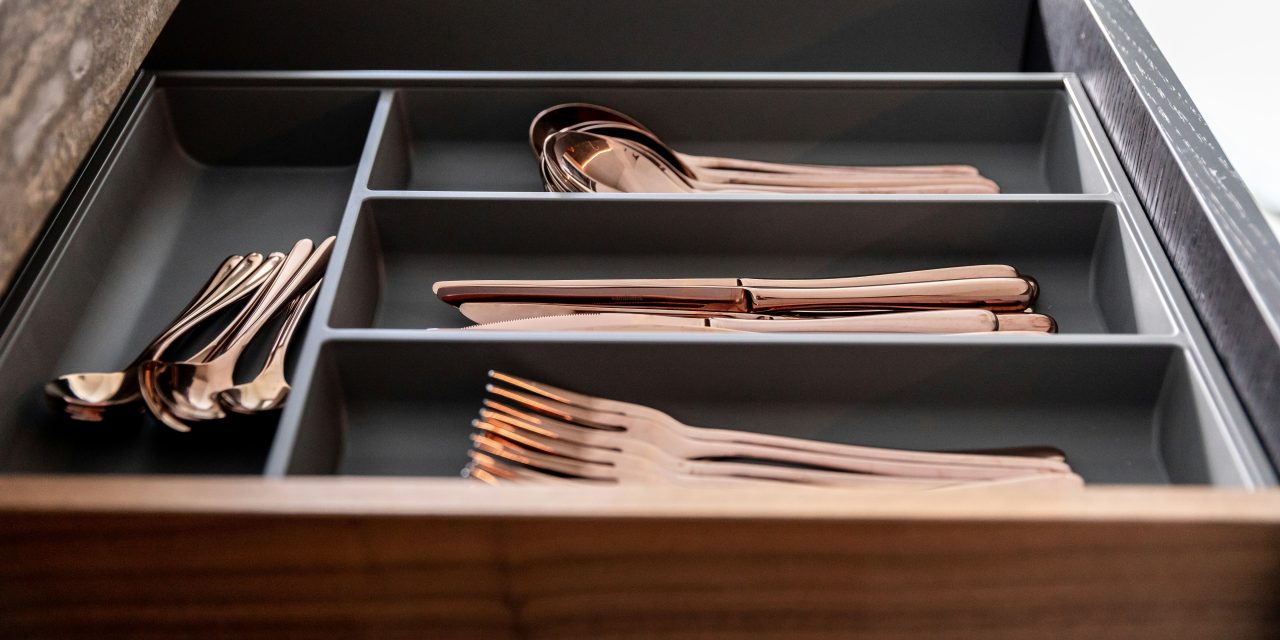
Grouping similar items together is a fundamental principle of effective organization in any kitchen drawer. By categorizing utensils based on their function or type, you create a logical system that simplifies access during cooking tasks. For instance, consider grouping all baking tools—such as measuring cups, spoons, and whisks—together in one section of the drawer. Similarly, keep all cutting tools—like knives and peelers—consolidated in another area.
This method not only enhances accessibility but also minimizes the time spent searching for specific items while cooking. When everything has its designated place, you can quickly locate what you need without unnecessary frustration. Furthermore, grouping similar items fosters a sense of order within the drawer, making it visually appealing and easy to maintain over time.
Using Tension Rods to Separate Items
Tension rods are an ingenious tool for organizing kitchen drawers and can be utilized to create dividers between various sections of utensils. By installing tension rods horizontally within the drawer, you can create separate compartments for different categories of items. For example, one section could hold spatulas while another accommodates measuring cups or spoons.
This method not only maximizes vertical space but also prevents items from shifting around during use. Tension rods are adjustable and can be easily repositioned as needed, allowing for flexibility in your organization system. Additionally, this approach adds an element of creativity to your kitchen organization efforts while ensuring that everything remains neatly separated.
Employing Rubber Bands for Bundling
Rubber bands are often overlooked as a simple yet effective organizational tool in the kitchen. They can be employed to bundle similar utensils together, creating compact groups that are easy to access when needed. For instance, consider bundling together measuring spoons or small whisks with a rubber band to keep them organized and prevent them from getting lost in the drawer.
This technique not only saves space but also enhances efficiency during cooking tasks. When items are bundled together, you can quickly grab what you need without having to sift through a cluttered drawer. Additionally, rubber bands are inexpensive and readily available, making them an accessible solution for anyone looking to improve their kitchen organization.
Stacking Items Strategically
Strategic stacking is another effective method for maximizing space within kitchen drawers. By stacking similar items on top of one another, you can utilize vertical space efficiently while keeping everything organized. For example, consider stacking measuring cups or nesting bowls within the drawer to create a tidy arrangement.
When stacking items, ensure that heavier or frequently used tools are placed at the bottom for easy access. Lighter or less frequently used items can be stacked on top without compromising accessibility. This approach not only enhances organization but also contributes to a visually appealing arrangement within the drawer.
Repurposing Household Items as Organizers
Repurposing household items as organizers is an innovative way to enhance your kitchen drawer organization without incurring additional costs. Consider using small boxes or containers from other areas of your home—such as shoeboxes or old jars—to store utensils and gadgets within the drawer. This creative approach allows you to utilize resources you already have while adding a personal touch to your organization system.
Additionally, think outside the box when it comes to repurposing items; for example, an old muffin tin can serve as an excellent organizer for small tools like measuring spoons or cupcake liners. By repurposing household items creatively, you not only save money but also contribute to sustainability by reducing waste.
Labeling Drawer Sections for Easy Access
Labeling is an essential component of effective organization in any kitchen drawer. By clearly marking each section with labels indicating its contents, you enhance accessibility and streamline your cooking process. Consider using adhesive labels or even decorative tape to create visually appealing markers that denote specific categories—such as “Baking Tools,” “Cutting Utensils,” or “Measuring Devices.”
This labeling system serves multiple purposes; it not only helps you quickly locate what you need but also encourages other household members to return items to their designated places after use. A well-labeled drawer fosters accountability and ensures that everyone in the household understands where each item belongs.
Maintaining Organization with Regular Checks
Maintaining organization within your kitchen drawers requires regular checks and adjustments over time. Set aside time every few months to reassess the contents of your drawers and ensure that everything remains in its designated place. During these checks, evaluate whether any new items have been added that require integration into your existing organization system.
Additionally, consider implementing a routine where each household member is responsible for returning items to their designated spots after use. This collective effort fosters accountability and ensures that your organized system remains intact over time. By committing to regular checks and maintenance, you can enjoy a consistently organized kitchen drawer that enhances your culinary experience.
In summary, organizing your kitchen drawers involves several strategic steps: assessing contents, decluttering effectively, utilizing containers and jars, rolling utensils for compact storage, grouping similar items together, using tension rods for separation, employing rubber bands for bundling, stacking strategically, repurposing household items as organizers, labeling sections for easy access, and maintaining organization through regular checks. By implementing these techniques thoughtfully and consistently, you can transform chaotic drawers into efficient spaces that enhance your cooking experience while promoting a sense of order in your kitchen environment.
FAQs
What are some effective methods to organize kitchen drawers without using dividers?
One effective method is to group similar items together, such as utensils, cooking tools, and gadgets. You can also use small containers or baskets within the drawer to keep items organized without traditional dividers. Additionally, consider utilizing vertical space by stacking items or using drawer organizers that fit snugly without needing fixed dividers.
How can I maximize space in my kitchen drawers without dividers?
To maximize space, start by decluttering and removing items you no longer use. Use multi-functional tools that can replace several single-use items. Arrange items by frequency of use, placing the most commonly used items at the front. Also, consider using the full depth of the drawer by storing larger items at the back and smaller items in front.
Are there any DIY solutions for organizing kitchen drawers without dividers?
Yes, you can create DIY solutions using materials you already have at home. For example, repurpose small boxes or tins to hold utensils or spices. You can also use rubber bands or Velcro strips to keep items together. Another idea is to use old trays or shallow containers to create sections within the drawer.
What types of items should I keep in kitchen drawers for better organization?
It’s best to keep frequently used items in kitchen drawers, such as utensils, measuring cups, and cooking tools. Avoid storing bulky items or rarely used gadgets in drawers. Instead, reserve drawer space for items that you need quick access to while cooking, ensuring that everything has a designated spot for easy retrieval.
How often should I reorganize my kitchen drawers?
It’s a good practice to reorganize your kitchen drawers at least once or twice a year. However, if you notice that items are becoming cluttered or difficult to find, it may be time for a quick reorganization. Regularly assessing your drawer organization can help maintain efficiency and ensure that your kitchen remains functional.