Maintaining a clean and organized home is essential for both physical and mental well-being. Weekly house cleaning not only enhances the aesthetic appeal of your living space but also contributes to a healthier environment by reducing allergens, bacteria, and other harmful pathogens. A structured cleaning routine can help you manage your time effectively, ensuring that no area of your home is neglected. By dedicating a specific day each week to cleaning, you can create a sanctuary that promotes relaxation and productivity.
Establishing a weekly cleaning schedule allows you to break down tasks into manageable segments, preventing the overwhelming feeling that often accompanies deep cleaning. This systematic approach ensures that every room receives the attention it deserves, fostering a sense of accomplishment and pride in your living space. Furthermore, regular cleaning can prolong the lifespan of your furnishings and appliances, ultimately saving you money in the long run.
Essential Supplies for Effective Cleaning
To embark on a successful weekly cleaning regimen, it is crucial to equip yourself with the right supplies. A well-stocked cleaning caddy can streamline your efforts and enhance efficiency. Here are some essential items to consider:
1. **All-Purpose Cleaner**: Versatile and effective, an all-purpose cleaner can tackle various surfaces, from countertops to bathroom tiles.
2. **Microfiber Cloths**: These are ideal for dusting and wiping surfaces without leaving streaks or lint behind.
3. **Broom and Dustpan**: Essential for sweeping up debris and maintaining clean floors.
4. **Vacuum Cleaner**: A high-quality vacuum with attachments can effectively remove dirt and allergens from carpets, upholstery, and hard-to-reach areas.
5. **Mop and Bucket**: For deep cleaning hard floors, a mop paired with an appropriate floor cleaner is indispensable.
6. **Disinfectant Wipes**: Convenient for quick clean-ups and sanitizing high-touch areas like doorknobs and light switches.
7. **Gloves**: Protect your hands from harsh chemicals and allergens while cleaning.
Having these supplies readily available will not only make your cleaning process more efficient but also ensure that you are prepared for any unexpected messes that may arise throughout the week.
Living Room: Dusting and Decluttering Tips

The living room serves as the heart of the home, where families gather to relax and socialize. To maintain a welcoming atmosphere, regular dusting and decluttering are essential. Begin by removing any items that do not belong in the living room, such as dishes or clothing. This initial step sets the stage for a thorough cleaning session.
Once decluttering is complete, focus on dusting surfaces. Use microfiber cloths to wipe down shelves, coffee tables, and electronics, ensuring that you reach all corners and crevices. Pay special attention to ceiling fans and light fixtures, as these areas often accumulate dust over time. For upholstered furniture, consider using a vacuum attachment to remove pet hair and debris effectively.
In addition to dusting, consider rearranging furniture or adding decorative elements to refresh the space visually. This not only enhances the aesthetic appeal but also promotes a sense of tranquility within the living area.
Kitchen: Deep Cleaning Appliances and Surfaces

The kitchen is often referred to as the heart of the home, making it imperative to keep this space clean and hygienic. Begin your weekly cleaning by tackling appliances that require deep cleaning, such as the refrigerator, oven, and microwave. For the refrigerator, remove all items and wipe down shelves with an all-purpose cleaner. Check expiration dates on food items to minimize waste.
Next, focus on the oven and microwave. For the oven, consider using a specialized oven cleaner or a mixture of baking soda and vinegar to break down tough stains. Allow it to sit for several hours before wiping it clean. The microwave can be cleaned by placing a bowl of water mixed with lemon juice inside and heating it for several minutes; this will loosen grime for easy removal.
After addressing appliances, shift your attention to countertops and sinks. Use disinfectant wipes or sprays to sanitize these surfaces thoroughly, ensuring that any foodborne pathogens are eliminated. Finally, sweep and mop the kitchen floor to remove crumbs and spills, leaving your kitchen sparkling clean.
Bathrooms: Sanitizing and Mold Prevention
Bathrooms are breeding grounds for bacteria and mold due to their humid environment. Therefore, regular sanitization is crucial for maintaining hygiene. Start by removing all items from countertops and shelves before applying a disinfectant cleaner to sinks, toilets, and showers. Pay special attention to high-touch areas such as faucet handles and toilet flushers.
To prevent mold growth, ensure proper ventilation by opening windows or using exhaust fans during and after showers. Additionally, consider using mold-resistant paint in bathrooms to inhibit mold development on walls.
For grout lines in tiles that may harbor mold or mildew, use a mixture of baking soda and water or a specialized grout cleaner to scrub away stains effectively. After cleaning, regularly inspect areas prone to moisture accumulation, such as under sinks or behind toilets, to catch any potential issues early.
Bedrooms: Organizing and Freshening Up
A well-organized bedroom promotes restful sleep and relaxation. Begin your weekly cleaning by decluttering surfaces such as nightstands and dressers. Remove any items that do not belong in the bedroom, including laundry or miscellaneous objects.
Once decluttering is complete, focus on freshening up bedding. Strip the bed of linens and pillowcases, washing them according to care instructions. Consider rotating or flipping your mattress if applicable; this practice can extend its lifespan while providing better support.
Dust surfaces such as dressers and shelves using microfiber cloths before vacuuming or sweeping the floor. To enhance the ambiance of your bedroom, consider using air fresheners or essential oils that promote relaxation, such as lavender or chamomile.
Dining Room: Polishing and Floor Care
The dining room is where families gather for meals and celebrations; thus, it deserves special attention during weekly cleaning sessions. Start by clearing the table of any clutter before dusting surfaces with an appropriate cleaner. For wooden furniture, consider using a specialized wood polish to restore shine while protecting against scratches.
After addressing surfaces, focus on floor care. Depending on your flooring type—hardwood, tile, or carpet—choose an appropriate cleaning method. For hardwood floors, use a damp mop with a wood-safe cleaner; for tile floors, sweep before mopping with a disinfectant solution.
Finally, inspect decorative elements such as centerpieces or wall art for dust accumulation. A clean dining room not only enhances aesthetics but also creates an inviting atmosphere for family gatherings.
Home Office: Maintaining a Tidy Workspace
In today’s digital age, many individuals work from home; thus, maintaining an organized home office is vital for productivity. Begin by decluttering your workspace—remove unnecessary papers, office supplies, or personal items that may distract you from work tasks.
Once decluttering is complete, dust surfaces such as desks and shelves using microfiber cloths or disinfectant wipes. Pay special attention to electronics like keyboards and monitors; these areas can harbor significant amounts of dust and germs.
Organize paperwork using file folders or trays to keep important documents easily accessible while minimizing clutter on your desk. Consider incorporating plants or personal touches that inspire creativity while maintaining a professional atmosphere.
Entryway and Hallways: Keeping High-Traffic Areas Clean
Entryways and hallways experience high foot traffic; therefore, they require regular attention during weekly cleaning sessions. Start by removing shoes or items left in these areas that may contribute to clutter.
Sweep or vacuum floors to eliminate dirt tracked in from outside; this will help maintain cleanliness throughout your home. For hard floors, mop with an appropriate cleaner to remove stubborn stains or scuff marks.
Consider adding organizational elements such as hooks for coats or baskets for shoes to streamline entryway functionality while keeping it tidy. Regularly inspect these high-traffic areas for signs of wear or damage that may require maintenance.
Laundry Room: Cleaning Machines and Organizing Supplies
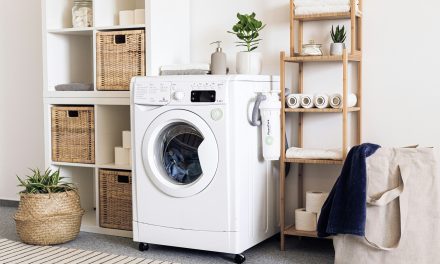
The laundry room is often overlooked during cleaning routines; however, it plays a crucial role in maintaining household hygiene. Begin by organizing laundry supplies—detergents, fabric softeners, and dryer sheets should be stored neatly on shelves or in designated bins.
Next, focus on cleaning appliances themselves. For washing machines, run an empty cycle with hot water mixed with vinegar to eliminate odors and buildup within the drum. For dryers, clean lint traps thoroughly after each use; this practice not only improves efficiency but also reduces fire hazards.
Finally, wipe down surfaces within the laundry room using disinfectant wipes or sprays to eliminate any lingering dirt or grime from laundry tasks.
Final Touches: Air Freshening and Inspection for a Sparkling Home
After completing your weekly cleaning tasks throughout the home, take a moment for final touches that enhance overall ambiance. Consider using air fresheners or diffusers with essential oils to create a pleasant atmosphere throughout your living space.
Conduct a thorough inspection of each room to ensure no areas have been overlooked during cleaning sessions; this includes checking corners for dust accumulation or ensuring surfaces are streak-free after wiping down.
By implementing these final touches into your routine, you can achieve a sparkling home that not only looks inviting but also promotes health and well-being for all who reside within it.
In summary, establishing a weekly house cleaning routine is essential for maintaining a healthy living environment while enhancing overall aesthetics within your home. By utilizing essential supplies effectively across various rooms—from kitchens to bedrooms—you can create an organized sanctuary that fosters relaxation and productivity while preventing potential health hazards associated with dirt and allergens.
FAQs
What is a weekly house cleaning checklist?
A weekly house cleaning checklist is a structured list of cleaning tasks organized by room that helps individuals or families maintain a clean and organized home. It typically includes specific chores to be completed each week, ensuring that all areas of the house receive regular attention.
Why is it important to have a cleaning checklist?
Having a cleaning checklist is important because it provides a clear plan for cleaning tasks, helps prioritize chores, and ensures that no area is overlooked. It can also make cleaning more efficient and less overwhelming by breaking down tasks into manageable sections.
What rooms are typically included in a weekly cleaning checklist?
A weekly cleaning checklist usually includes common areas such as the kitchen, living room, bathrooms, bedrooms, and dining room. Some checklists may also include laundry rooms, home offices, and entryways, depending on the size and layout of the home.
How can I customize my cleaning checklist?
You can customize your cleaning checklist by assessing your specific cleaning needs, the size of your home, and the frequency of use for each room. Consider adding or removing tasks based on your lifestyle, preferences, and any special cleaning requirements for certain areas.
How long does it typically take to complete a weekly cleaning checklist?
The time it takes to complete a weekly cleaning checklist can vary widely depending on the size of the home, the number of tasks, and the level of detail involved. On average, it may take anywhere from 1 to 4 hours to complete all tasks, but this can be adjusted based on individual circumstances and cleaning habits.