Properly cooking chicken is paramount not only for culinary excellence but also for food safety. Chicken is a highly versatile protein source, enjoyed in various cuisines worldwide. However, it is also a common carrier of pathogens such as Salmonella and Campylobacter, which can lead to severe foodborne illnesses. According to the Centers for Disease Control and Prevention (CDC), approximately 1 million people in the United States contract food poisoning from poultry each year. Therefore, understanding the significance of cooking chicken to the appropriate internal temperature is crucial for preventing these health risks.
The USDA recommends that chicken be cooked to an internal temperature of 165°F (74°C) to ensure that harmful bacteria are effectively eliminated. This temperature threshold is essential for both whole chickens and chicken parts, including breasts, thighs, and wings. Cooking chicken thoroughly not only safeguards against foodborne pathogens but also enhances the flavor and texture of the meat, making it more enjoyable to consume. In this article, we will explore various methods and indicators to ensure that chicken is cooked safely and deliciously.
Visual Indicators of Fully Cooked Chicken
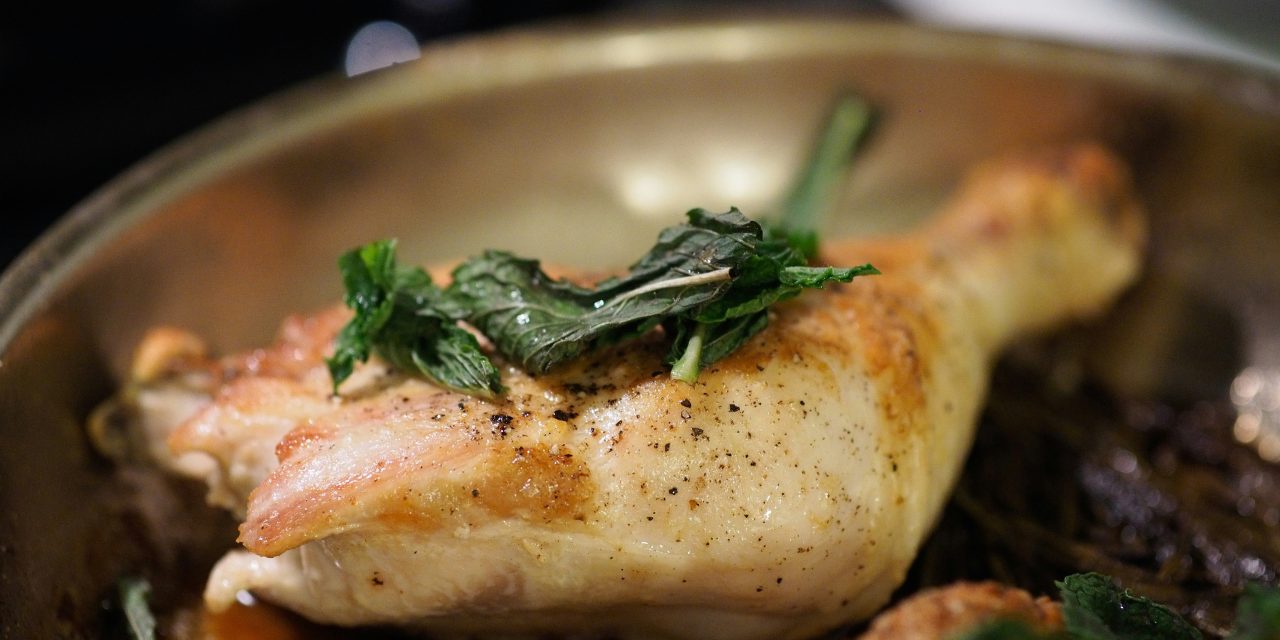
Visual cues play a significant role in determining whether chicken is fully cooked. One of the most apparent indicators is the color of the meat itself. Properly cooked chicken should exhibit a uniform white or light tan color throughout. If any pink or translucent areas remain, particularly near the bone or in thicker parts of the meat, it is likely undercooked and should be returned to the heat source.
Another visual indicator is the appearance of the juices that run from the chicken when it is pierced with a fork or knife. Clear juices signify that the meat has reached a safe cooking temperature, while any pink or red juices indicate that further cooking is necessary. Additionally, the skin of roasted or grilled chicken should appear golden brown and crispy, which not only enhances visual appeal but also indicates that the outer layer has been adequately cooked.
Using a Meat Thermometer for Accurate Results

To achieve precise cooking results, utilizing a meat thermometer is highly recommended. This tool provides an accurate measurement of the internal temperature of the chicken, eliminating guesswork and ensuring safety. There are various types of meat thermometers available, including instant-read thermometers and probe thermometers. Instant-read thermometers provide quick readings and are ideal for checking doneness at various stages during cooking, while probe thermometers can be left in the meat while it cooks, allowing for continuous monitoring.
When using a meat thermometer, it is essential to insert it into the thickest part of the chicken without touching bone, as bone conducts heat differently and may yield an inaccurate reading. For whole chickens, this typically means checking the inner thigh area. For chicken breasts or other cuts, aim for the thickest section. Once the thermometer reads 165°F (74°C), you can confidently remove the chicken from heat, knowing it has reached a safe temperature.
Checking the Juices: What Color Should They Be?

The color of the juices that flow from cooked chicken serves as an additional indicator of doneness. When properly cooked, juices should run clear without any traces of pink or red coloration. This clear juice signifies that harmful bacteria have been effectively killed during cooking. If you notice any pinkish juices when cutting into your chicken, it is advisable to return it to the heat source until it reaches the appropriate internal temperature.
It is important to note that certain cooking methods may affect juice color. For instance, brined or marinated chicken may produce slightly tinted juices due to added ingredients. However, if you observe any significant pinkness in the juices, it is best to err on the side of caution and continue cooking until they run clear.
Texture and Firmness: How Chicken Should Feel
Texture and firmness are tactile indicators that can help determine whether chicken is fully cooked. When properly cooked, chicken should feel firm to the touch but not overly tough or rubbery. The meat should spring back when pressed gently with a finger, indicating that it has reached an appropriate level of doneness.
Undercooked chicken tends to feel soft and squishy, while overcooked chicken may feel excessively dry and hard. To assess texture accurately, allow the chicken to rest for a few minutes after cooking; this resting period allows juices to redistribute throughout the meat, enhancing both flavor and texture.
The Role of Cooking Time and Temperature
Cooking time and temperature are critical factors in achieving perfectly cooked chicken. Various cooking methods—such as roasting, grilling, frying, or poaching—require different times and temperatures to ensure safety and optimal flavor. For instance, roasting a whole chicken at 375°F (190°C) typically takes about 20 minutes per pound, while grilling chicken breasts may require only 6-8 minutes per side at medium-high heat.
It is essential to consider factors such as thickness and cut when determining cooking time. Thicker cuts will naturally require longer cooking times than thinner ones. Additionally, using a reliable timer can help prevent overcooking or undercooking by providing a clear guideline for how long each cut should be exposed to heat.
Avoiding Common Mistakes When Cooking Chicken
Several common mistakes can lead to improperly cooked chicken, compromising both safety and flavor. One prevalent error is overcrowding the cooking surface; placing too many pieces of chicken in a pan or on a grill can trap steam and prevent even cooking. To avoid this issue, cook in batches if necessary to ensure proper airflow around each piece.
Another mistake involves skipping the resting period after cooking. Allowing chicken to rest for at least 5-10 minutes before slicing helps retain moisture and enhances flavor. Cutting into chicken immediately after cooking can result in dry meat due to rapid juice loss.
How Different Cooking Methods Affect Doneness
Different cooking methods can significantly influence how chicken cooks and its final texture. For example, roasting typically yields juicy meat with crispy skin due to dry heat circulating around the bird. Conversely, poaching involves simmering chicken in liquid at lower temperatures, resulting in tender meat but lacking in browning.
Grilling imparts a smoky flavor while creating charred marks on the surface; however, it requires careful monitoring to prevent flare-ups that can lead to uneven cooking. Each method has its advantages and disadvantages; understanding these nuances can help you choose the best approach based on your desired outcome.
Using the Cut Test: When and How to Check Inside
The cut test is a practical method for assessing doneness when other indicators are inconclusive. To perform this test, use a sharp knife to make a small incision in the thickest part of the chicken. If the meat appears opaque and white with no visible pinkness, it is likely fully cooked.
However, if you notice any pink areas or translucent flesh, return the chicken to heat until it reaches the recommended internal temperature of 165°F (74°C). This method can be particularly useful when cooking larger cuts or whole chickens where visual indicators may be less apparent.
Recognizing signs of undercooked versus overcooked chicken is essential for achieving culinary success. Undercooked chicken often appears pink or translucent in color and may feel soft or squishy when touched. Juices may also run pink rather than clear.
On the other hand, overcooked chicken typically exhibits a dry texture with a tough exterior; it may also appear excessively browned or charred on the outside while remaining dry inside. Understanding these signs allows cooks to adjust their techniques accordingly and achieve perfectly cooked poultry every time.
Tips for Ensuring Safe and Delicious Chicken Every Time
To guarantee safe and delicious chicken every time you cook, consider implementing these practical tips:
1. **Use a Meat Thermometer**: Invest in a reliable meat thermometer for accurate temperature readings.
2. **Avoid Cross-Contamination**: Use separate cutting boards for raw poultry and other foods.
3. **Marinate Safely**: Always marinate chicken in the refrigerator rather than at room temperature.
4. **Rest Before Serving**: Allow cooked chicken to rest before slicing to retain moisture.
5. **Practice Good Hygiene**: Wash hands thoroughly before and after handling raw poultry.
6. **Cook Evenly**: Ensure even cooking by not overcrowding pans or grills.
7. **Experiment with Cooking Methods**: Explore various techniques such as roasting, grilling, or slow-cooking for diverse flavors.
By adhering to these guidelines, you can enjoy flavorful and safe chicken dishes that satisfy your palate while minimizing health risks.
In summary, understanding how to properly cook chicken involves recognizing visual indicators of doneness, utilizing tools like meat thermometers for accuracy, checking juices for clarity, assessing texture and firmness, considering cooking time and temperature variations, avoiding common mistakes, exploring different cooking methods, employing cut tests when necessary, identifying signs of undercooked versus overcooked meat, and following practical tips for safe preparation. By mastering these techniques, you can ensure that your chicken dishes are both delicious and safe for consumption every time you cook.
FAQs
What is the safe internal temperature for cooked chicken?
The safe internal temperature for cooked chicken is 165°F (75°C). This temperature ensures that harmful bacteria, such as Salmonella and Campylobacter, are effectively killed, making the chicken safe to eat.
How can I check the internal temperature of chicken?
You can check the internal temperature of chicken using a meat thermometer. Insert the thermometer into the thickest part of the chicken, avoiding bones, to get an accurate reading. Make sure the thermometer reads at least 165°F (75°C) for safe consumption.
What are some visual signs that chicken is fully cooked?
<pVisual signs that chicken is fully cooked include the meat being opaque and white throughout, with no pink areas remaining. Additionally, the juices should run clear when the chicken is pierced with a knife or fork.
Can I rely on cooking time alone to determine if chicken is done?
While cooking time can provide a general guideline, it is not a reliable method to determine if chicken is fully cooked. Factors such as the size of the chicken pieces, cooking method, and oven temperature can affect cooking time. Always use a meat thermometer for accuracy.
What should I do if I accidentally undercook chicken?
If you accidentally undercook chicken, return it to the heat source and continue cooking until it reaches the safe internal temperature of 165°F (75°C). Ensure that the chicken is cooked evenly and check the temperature again before serving.