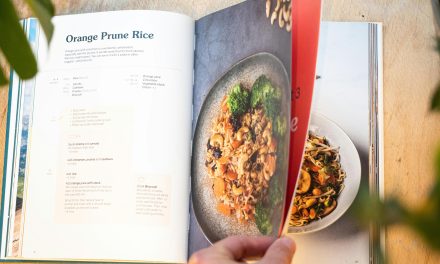
Umami, often referred to as the fifth basic taste, complements the traditional quartet of sweet, sour, salty, and bitter. This unique flavor profile is characterized by its savory and rich qualities, primarily attributed to the presence of glutamate, an amino acid that occurs naturally in various foods. Discovered in Japan in the early 20th century by Dr. Kikunae Ikeda, umami has since gained recognition as a fundamental taste that enhances the overall flavor experience of dishes. It is particularly prevalent in protein-rich foods and is often described as a mouthwatering sensation that lingers on the palate.
The significance of umami extends beyond mere flavor; it plays a crucial role in culinary arts and nutrition. Foods rich in umami can stimulate appetite and promote satiety, making them essential components of a balanced diet. Understanding umami allows chefs and home cooks alike to elevate their culinary creations, transforming ordinary meals into extraordinary gastronomic experiences. By incorporating umami-rich ingredients into everyday cooking, one can achieve a depth of flavor that resonates with diners and enhances the enjoyment of food.
Key Ingredients That Bring Umami to Your Kitchen
To harness the power of umami in your culinary endeavors, it is essential to familiarize yourself with key ingredients that are known for their umami-rich profiles. These ingredients can be easily integrated into various dishes, providing a savory depth that enhances flavors and elevates meals. Some of the most notable umami-rich ingredients include:
1. **Soy Sauce**: A staple in Asian cuisine, soy sauce is fermented from soybeans and wheat, resulting in a complex flavor profile that is both salty and savory.
2. **Miso**: This fermented soybean paste is a cornerstone of Japanese cooking, offering a rich umami flavor that can be used in soups, marinades, and dressings.
3. **Parmesan Cheese**: Aged cheeses like Parmesan are packed with umami due to their high glutamate content, making them perfect for grating over pasta or incorporating into sauces.
4. **Tomatoes**: Fresh tomatoes and concentrated forms like tomato paste are rich in umami compounds, enhancing the flavor of sauces and stews.
5. **Mushrooms**: Varieties such as shiitake and porcini are known for their earthy umami notes, adding depth to soups, risottos, and stir-fries.
By stocking your kitchen with these essential ingredients, you can easily create dishes that are bursting with umami flavor.
Using Soy Sauce and Miso for Depth of Flavor

Soy sauce and miso are two quintessential ingredients that embody the essence of umami. Soy sauce, with its deep brown color and complex flavor profile, serves as an excellent seasoning agent for a variety of dishes. Its fermentation process not only enhances its savory qualities but also introduces a subtle sweetness that balances flavors beautifully. When used in marinades, dressings, or as a dipping sauce, soy sauce can elevate the taste of meats, vegetables, and grains alike.
Miso, on the other hand, offers a unique depth of flavor that varies depending on its type—white miso tends to be sweeter and milder, while red miso is more robust and salty. Incorporating miso into soups or sauces can impart a rich umami flavor that transforms simple dishes into culinary masterpieces. Additionally, miso can be used as a glaze for roasted vegetables or as a base for salad dressings, providing versatility in its application.
Incorporating Parmesan and Aged Cheeses

Aged cheeses such as Parmesan are treasure troves of umami flavor due to their concentrated glutamate content developed during the aging process. The crystalline texture of aged cheeses adds not only flavor but also an appealing mouthfeel to dishes. Grating Parmesan over pasta or risotto can enhance the overall taste experience by introducing a savory richness that complements other ingredients.
Moreover, other aged cheeses like Pecorino Romano or Grana Padano also contribute to umami richness. These cheeses can be used in various culinary applications—from sprinkling over salads to incorporating into creamy sauces—allowing cooks to explore different flavor profiles while maximizing umami impact. The key lies in selecting high-quality aged cheeses that have been properly aged to ensure optimal flavor development.
Adding Mushrooms for Earthy Umami Notes
Mushrooms are an exceptional source of umami flavor, particularly varieties such as shiitake, porcini, and cremini. Their unique earthy notes add complexity to dishes while providing a satisfying depth of flavor. When cooked, mushrooms release natural glutamates that enhance the overall taste experience of soups, stews, and stir-fries.
Incorporating mushrooms into your cooking can be achieved through various methods—sautéing them with garlic and herbs for a flavorful side dish or adding them to sauces for an extra layer of richness. Dried mushrooms can also be rehydrated to create flavorful broths or incorporated into risottos for an intense umami punch. By embracing mushrooms in your culinary repertoire, you can elevate your dishes with their distinctive savory qualities.
Harnessing the Power of Tomatoes and Tomato Paste
Tomatoes are renowned for their natural umami content, particularly when concentrated forms such as tomato paste are utilized. The cooking process intensifies their flavors, making them an essential ingredient in sauces, soups, and stews. The natural sugars present in tomatoes balance acidity while enhancing their savory notes.
Using tomato paste as a base for sauces or soups can significantly amplify the umami experience in your dishes. It serves as a powerful flavor enhancer when sautéed with aromatics like onions and garlic before adding liquids or other ingredients. Additionally, sun-dried tomatoes offer concentrated flavors that can be incorporated into salads or pasta dishes for an extra burst of umami goodness.
Utilizing Fermented Foods to Boost Umami
Fermented foods are another excellent source of umami flavor due to the breakdown of proteins during fermentation processes. Foods such as kimchi, sauerkraut, and pickles not only provide tangy flavors but also introduce complex savory notes that enhance overall taste profiles. Incorporating these foods into your meals can elevate flavors while also providing health benefits associated with probiotics.
For instance, adding kimchi to stir-fries or using sauerkraut as a topping for sandwiches can introduce delightful umami elements while promoting gut health. Fermented condiments like Worcestershire sauce or fish sauce also contribute to umami richness in marinades and dressings. By embracing fermented foods in your cooking, you can create dishes that are both flavorful and nutritious.
Cooking with Anchovies and Fish Sauce
Anchovies and fish sauce are often considered secret weapons in the culinary world due to their intense umami properties. Anchovies can be used whole or as a paste to impart a savory depth to sauces, dressings, and marinades without overwhelming other flavors. Their natural saltiness enhances dishes while providing a rich umami backbone.
Fish sauce, commonly used in Southeast Asian cuisine, is made from fermented fish and offers a potent umami punch. Just a few drops can transform soups, stir-fries, or salad dressings into flavorful masterpieces. When using these ingredients, it’s essential to balance their intensity with other flavors to achieve harmony in your dishes.
Roasting and Caramelizing for Enhanced Umami
The cooking techniques employed can significantly impact the umami experience in your meals. Roasting vegetables or meats caramelizes their natural sugars while concentrating flavors through the Maillard reaction—a chemical reaction between amino acids and reducing sugars that occurs when food is cooked at high temperatures. This process enhances the savory qualities of ingredients while adding complexity to their taste profiles.
For example, roasting tomatoes intensifies their sweetness while amplifying their umami richness—perfect for creating sauces or toppings for pasta dishes. Similarly, caramelizing onions brings out their natural sweetness while developing deep savory notes that complement various dishes. By employing roasting and caramelizing techniques in your cooking repertoire, you can unlock new dimensions of flavor.
Combining Ingredients to Maximize Umami Impact
To truly maximize the impact of umami in your cooking, consider combining multiple umami-rich ingredients within a single dish. For instance, creating a pasta sauce using tomatoes, mushrooms, Parmesan cheese, and anchovies can result in an explosion of savory flavors that tantalize the palate. The interplay between these ingredients enhances the overall taste experience while creating a harmonious balance.
Experimenting with different combinations allows you to discover unique flavor profiles tailored to your preferences. Consider incorporating soy sauce into marinades alongside garlic and ginger for an Asian-inspired twist or blending miso into dressings with citrus for added complexity. By thoughtfully combining ingredients known for their umami properties, you can elevate your culinary creations to new heights.
Simple Umami-Boosting Tips for Everyday Cooking
Incorporating umami into everyday cooking doesn’t have to be complicated; there are simple tips you can follow to enhance flavors effortlessly:
1. **Use Broths**: Opt for homemade or high-quality store-bought broths as bases for soups and stews.
2. **Season Wisely**: Experiment with soy sauce or fish sauce instead of salt to add depth without overpowering other flavors.
3. **Add Nuts**: Toasted nuts like walnuts or pine nuts can introduce savory notes when sprinkled over salads or pasta.
4. **Incorporate Herbs**: Fresh herbs such as basil or thyme can complement umami-rich ingredients beautifully.
5. **Experiment with Acidity**: A splash of vinegar or citrus juice can brighten up dishes while enhancing overall flavor complexity.
By implementing these straightforward strategies into your cooking routine, you can effortlessly boost the umami factor in your meals.
In summary, understanding umami as the fifth basic taste opens up new avenues for enhancing culinary experiences through various ingredients and techniques. By incorporating key components such as soy sauce, miso, aged cheeses, mushrooms, tomatoes, fermented foods, anchovies, and employing cooking methods like roasting and caramelizing, one can create dishes rich in savory depth. Combining these elements thoughtfully allows for maximum impact while simple tips ensure everyday cooking remains flavorful yet uncomplicated. Embrace the power of umami to transform your meals into delightful gastronomic adventures!
FAQs
What is umami flavor?
Umami is one of the five basic tastes, alongside sweet, sour, bitter, and salty. It is often described as a savory or meaty flavor and is associated with foods that contain high levels of glutamate, an amino acid. Common sources of umami include tomatoes, mushrooms, aged cheeses, soy sauce, and meats.
How can I enhance umami in my cooking?
You can enhance umami in your cooking by incorporating ingredients rich in umami, such as mushrooms, soy sauce, miso paste, fish sauce, or Parmesan cheese. Additionally, cooking techniques like roasting or caramelizing can intensify the umami flavor in foods.
Are there vegetarian sources of umami?
Yes, there are several vegetarian sources of umami. Some popular options include mushrooms (especially shiitake), tomatoes, fermented products like miso and soy sauce, nutritional yeast, and certain vegetables like spinach and seaweed.
Can umami flavor be added to desserts?
While umami is typically associated with savory dishes, it can also be incorporated into desserts. Ingredients like dark chocolate, caramelized fruits, or even a sprinkle of sea salt can enhance the complexity of sweet dishes by adding a subtle umami note.
Is it possible to overdo umami flavor in a dish?
Yes, it is possible to overdo umami flavor, which can lead to an unbalanced dish. Too much umami can make food taste overly salty or rich. It’s important to balance umami with other flavors, such as acidity or sweetness, to create a harmonious dish.