Cooking salmon to perfection requires a nuanced understanding of temperature. The ideal cooking temperature for salmon is generally between 375°F to 425°F (190°C to 220°C). At this range, the fish cooks evenly, allowing the natural oils to render without drying out the flesh. Cooking at lower temperatures, such as 325°F (160°C), can lead to a longer cooking time, which may result in a less desirable texture. Conversely, temperatures exceeding 450°F (232°C) can cause the exterior to char while leaving the interior undercooked.
The USDA recommends that salmon be cooked to an internal temperature of 145°F (63°C). At this temperature, the fish is safe to eat and retains its moistness. However, many chefs prefer to cook salmon to a slightly lower temperature, around 125°F to 130°F (52°C to 54°C), for a more tender and flaky texture. This method is often referred to as “medium-rare” and is particularly popular among culinary enthusiasts who appreciate the rich flavor and buttery consistency of salmon.
Choosing the Right Cut of Salmon for Baking
Selecting the appropriate cut of salmon is crucial for achieving optimal results when baking. The most common cuts include fillets, steaks, and whole fish. Salmon fillets are the most popular choice due to their convenience and versatility. They are typically boneless and skin-on or skinless, making them easy to prepare and serve. When choosing fillets, look for those with vibrant color and minimal browning, indicating freshness.
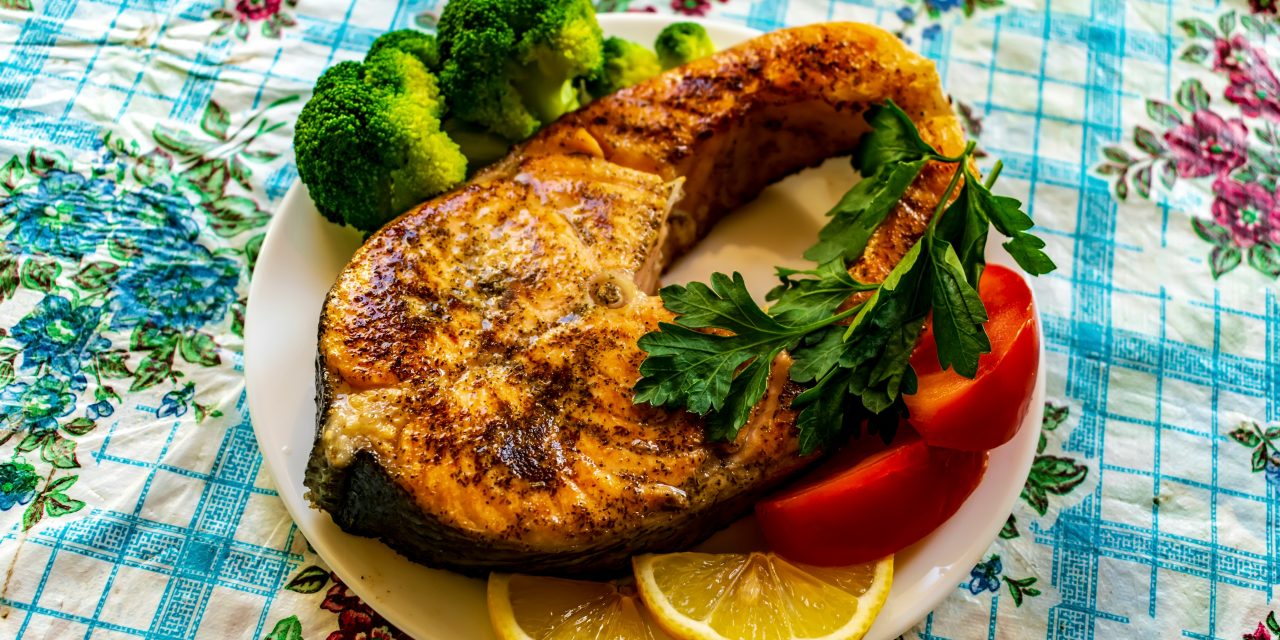
Salmon steaks, cut perpendicular to the spine, offer a thicker piece of fish that can be ideal for grilling or baking. They contain bones, which can enhance flavor but may require additional preparation time for deboning. Whole salmon is another option that provides a dramatic presentation and allows for various cooking techniques. Regardless of the cut chosen, ensure that it is sourced sustainably and is free from any signs of spoilage.
Preparing the Salmon: Cleaning and Seasoning Tips

Preparation is key to enhancing the flavor profile of salmon. Begin by rinsing the fish under cold water to remove any residual scales or impurities. Pat the salmon dry with paper towels to ensure that seasonings adhere properly. If using skin-on fillets, consider scoring the skin lightly with a sharp knife; this helps prevent curling during cooking.
Seasoning is an essential step that can elevate the dish significantly. A simple combination of salt and pepper can enhance the natural flavors of salmon. For a more complex taste, consider using a blend of herbs such as dill, parsley, or thyme. Citrus zest from lemons or limes can also add brightness and acidity, balancing the richness of the fish. Marinating the salmon for 30 minutes to an hour in a mixture of olive oil, garlic, and herbs can infuse additional flavors while tenderizing the flesh.
Preheating Your Oven for Perfect Results

Preheating your oven is a critical step in ensuring even cooking and achieving the desired texture in baked salmon. Allow your oven to reach the desired temperature before placing the fish inside; this typically takes about 10-15 minutes. An adequately preheated oven helps create a consistent cooking environment, preventing uneven heat distribution that could lead to overcooked edges or undercooked centers.
Using an oven thermometer can help verify that your oven reaches the correct temperature, as many home ovens can be inaccurate. Once preheated, consider placing an oven-safe dish or baking sheet inside to warm up as well; this can help sear the bottom of the salmon slightly upon contact, enhancing flavor and texture.
Using Foil or Parchment Paper to Retain Moisture
To achieve moist and flavorful baked salmon, utilizing foil or parchment paper is highly recommended. Wrapping salmon in foil creates a steaming effect that locks in moisture while allowing flavors to meld beautifully. This method is particularly effective when baking with vegetables or aromatics, as they release steam that permeates the fish.
Parchment paper is another excellent option for retaining moisture while allowing for easy cleanup. When using parchment, create a pouch by folding the paper over the salmon and sealing it tightly. This technique not only keeps the fish moist but also allows for creative flavor combinations without the risk of burning or drying out.
Determining the Optimal Cooking Time Based on Thickness
Cooking time for salmon varies significantly based on its thickness. A general rule of thumb is to bake salmon for approximately 4-6 minutes per half-inch of thickness at 400°F (204°C). For instance, a 1-inch thick fillet would require about 8-12 minutes in the oven. However, factors such as oven calibration and initial temperature of the fish can influence cooking time.
To ensure accuracy, it’s advisable to check for doneness periodically rather than relying solely on time estimates. The flesh should appear opaque and easily flake with a fork when fully cooked. If you prefer your salmon medium-rare, aim for an internal temperature of around 125°F (52°C), while fully cooked salmon should reach 145°F (63°C).
Monitoring Internal Temperature with a Food Thermometer
Utilizing a food thermometer is essential for achieving perfectly cooked salmon every time. Insert the thermometer into the thickest part of the fish without touching bone or fat; this will provide an accurate reading of internal temperature. For optimal results, aim for an internal temperature of 125°F (52°C) for medium-rare or 145°F (63°C) for well-done.
Investing in a digital instant-read thermometer can enhance your cooking experience by providing quick and precise readings. This tool not only ensures food safety but also helps prevent overcooking—a common pitfall when preparing salmon.
Techniques to Prevent Overcooking: Resting and Carryover Cooking
Overcooking is one of the most frequent issues encountered when baking salmon. To mitigate this risk, consider employing resting techniques after removing the fish from the oven. Allowing salmon to rest for about 5 minutes before serving enables juices to redistribute throughout the flesh, resulting in a more succulent bite.
Carryover cooking is another phenomenon to be aware of; this occurs when residual heat continues to cook the fish even after it has been removed from the oven. Salmon can increase in temperature by approximately 5°F (2-3°C) during resting, so it’s wise to take it out of the oven just before it reaches your desired doneness.
Adding Flavor: Marinades, Herbs, and Citrus Enhancements
Enhancing baked salmon with marinades and herbs can elevate its flavor profile significantly. A simple marinade consisting of olive oil, soy sauce, honey, and garlic can infuse depth and richness into the fish. Allowing salmon to marinate for at least 30 minutes before baking will yield optimal results.
Incorporating fresh herbs such as dill, basil, or cilantro can add brightness and complexity to your dish. Additionally, citrus elements like lemon slices or orange zest can provide acidity that balances out the richness of salmon. Placing herbs and citrus directly on top of or beneath the fish during baking allows their flavors to permeate throughout.
Serving Suggestions to Complement Oven-Baked Salmon
When serving oven-baked salmon, consider pairing it with complementary sides that enhance its flavors while providing nutritional balance. Roasted vegetables such as asparagus, Brussels sprouts, or carrots make excellent accompaniments due to their earthy flavors and vibrant colors.
Grains like quinoa or wild rice provide a hearty base that pairs well with salmon’s richness. A light salad featuring mixed greens, avocado, and citrus vinaigrette can add freshness and acidity that balances out the dish beautifully. For those seeking a more indulgent experience, consider serving salmon alongside creamy mashed potatoes or a decadent risotto.
Troubleshooting Common Issues: Dryness and Overcooked Salmon
Dryness in baked salmon often stems from overcooking or inadequate moisture retention during preparation. To combat this issue, ensure that you monitor cooking times closely and utilize methods such as wrapping in foil or parchment paper to lock in moisture effectively.
If you find yourself with overcooked salmon despite your best efforts, consider transforming it into a different dish—flaking it into salads or pasta dishes can salvage its flavor while providing new culinary opportunities.
In conclusion, mastering the art of baking salmon involves understanding various factors such as temperature control, cut selection, preparation techniques, and cooking times. By employing these strategies—along with careful monitoring and creative flavor enhancements—you can achieve perfectly baked salmon that delights both your palate and your guests.
### FAQ Section
1. **What is the best way to tell if my salmon is done?**
– The best method is using a food thermometer; aim for an internal temperature of 145°F (63°C). Alternatively, check if it flakes easily with a fork.
2. **Can I bake frozen salmon?**
– Yes! You can bake frozen salmon directly without thawing; however, increase cooking time by about 50%.
3. **What are some good marinades for salmon?**
– Popular marinades include soy sauce with honey and garlic, lemon juice with olive oil and herbs, or teriyaki sauce.
4. **How do I store leftover baked salmon?**
– Store leftover salmon in an airtight container in the refrigerator for up to three days or freeze it for longer preservation.
5. **Is it safe to eat undercooked salmon?**
– While many enjoy medium-rare salmon at around 125°F (52°C), ensure it comes from a reputable source to minimize health risks associated with raw fish.
6. **What sides pair well with baked salmon?**
– Consider roasted vegetables, quinoa salad, wild rice pilaf, or creamy mashed potatoes as excellent accompaniments.
7. **How do I prevent my salmon from sticking to the baking sheet?**
– Use parchment paper or lightly grease your baking sheet with oil before placing the fish on it.
8. **Can I use skin-on fillets?**
– Absolutely! Skin-on fillets add flavor and help retain moisture during cooking; just ensure you score them lightly before baking.
9. **What should I do if my salmon turns out dry?**
– If your salmon is dry after cooking, consider flaking it into salads or pasta dishes where sauces can help restore moisture.
10. **How long should I let my salmon rest after baking?**
– Allow your baked salmon to rest for about 5 minutes before serving; this helps retain juices and enhances flavor.
In summary, mastering oven-baked salmon involves understanding ideal temperatures, selecting quality cuts, preparing effectively with seasonings and marinades, monitoring cooking times accurately, and employing techniques that prevent dryness while enhancing flavor profiles through complementary sides and garnishes.
FAQs
What temperature should I set my oven to for cooking salmon?
For cooking salmon in the oven, it is generally recommended to preheat your oven to 375°F (190°C). This temperature allows the salmon to cook evenly without drying out.
How long should I bake salmon in the oven?
The cooking time for salmon typically ranges from 12 to 15 minutes per inch of thickness. A thicker piece may require a bit more time, while thinner fillets may cook faster. It’s important to check for doneness to avoid overcooking.
How can I tell when salmon is done cooking?
Salmon is considered done when it flakes easily with a fork and has an internal temperature of 145°F (63°C). You can use a meat thermometer to check the temperature at the thickest part of the fillet.
Should I cover the salmon while baking?
Covering the salmon with foil while baking can help retain moisture and prevent it from drying out. However, if you prefer a crispy top, you can bake it uncovered for the last few minutes of cooking.
What seasonings work best for oven-baked salmon?
Common seasonings for oven-baked salmon include salt, pepper, lemon juice, garlic, dill, and olive oil. You can also experiment with marinades or spice blends to enhance the flavor according to your preference.