Bread is a staple food that has been consumed for thousands of years, serving as a fundamental source of nutrition across various cultures. The process of baking bread is not merely a culinary task; it is a science that requires precision and understanding. Properly baked bread is essential not only for achieving the desired flavor and texture but also for ensuring food safety. Underbaked bread can harbor harmful bacteria, while overbaked bread may lose its nutritional value and become unpalatable.
The significance of achieving the perfect bake cannot be overstated. Properly baked bread exhibits a harmonious balance of crust and crumb, providing an enjoyable eating experience. The Maillard reaction, which occurs during baking, contributes to the development of complex flavors and aromas. Furthermore, the right baking time and temperature ensure that the bread rises adequately, resulting in a light and airy structure. Understanding these principles is crucial for both amateur bakers and seasoned professionals alike.
Visual Indicators of Fully Baked Bread
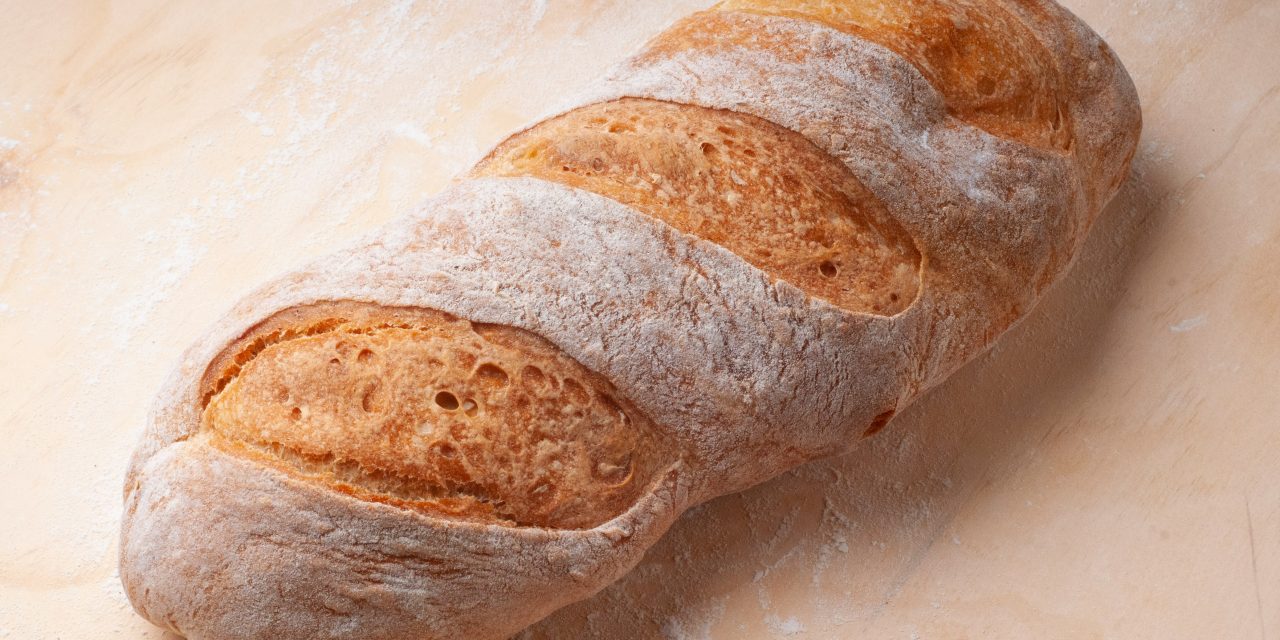
Visual cues play a pivotal role in determining whether bread has reached its optimal baking point. One of the most apparent indicators is the color of the crust. A well-baked loaf typically exhibits a rich golden-brown hue, signaling that the sugars have caramelized appropriately. Conversely, a pale crust may indicate insufficient baking time, while a darkened crust could suggest overbaking.
Another visual indicator is the overall shape of the loaf. Properly baked bread should have a well-defined structure, with a rounded top and an even rise. If the loaf appears flat or has collapsed, it may not have been baked long enough to set properly. Additionally, observing the surface for any cracks or bubbles can provide insights into the baking process. A few small cracks are normal, but excessive cracking may indicate issues with dough handling or fermentation.
Checking the Crust Color and Texture

The crust of bread serves as both a protective barrier and a flavor enhancer. When assessing doneness, examining the crust color and texture is crucial. A golden-brown crust indicates that the Maillard reaction has occurred, resulting in desirable flavors and aromas. The texture should be firm yet slightly crisp, providing a satisfying contrast to the soft interior.
To achieve this ideal crust, bakers often employ techniques such as steam injection during the initial stages of baking. This method promotes oven spring and enhances crust development. Additionally, using a baking stone or preheating the oven adequately can contribute to achieving the desired crust characteristics. Understanding how to manipulate these factors can significantly improve the quality of the final product.
Using the Tap Test to Assess Doneness

The tap test is a classic method employed by bakers to determine if bread is fully baked. This technique involves gently tapping the bottom of the loaf with your fingers or knuckles. A hollow sound indicates that the bread has cooked through adequately, while a dull thud suggests that it may require additional baking time.
This method relies on the principle that fully baked bread contains steam pockets that create an airy structure. When tapped, these pockets resonate, producing a distinct sound. However, it is essential to combine this test with other indicators for a comprehensive assessment of doneness. Relying solely on auditory cues may lead to misjudgments in baking time.
Measuring Internal Temperature with a Thermometer
One of the most reliable methods for assessing bread doneness is measuring its internal temperature with an instant-read thermometer. For most types of bread, an internal temperature of 190°F to 210°F (88°C to 99°C) indicates that it has been adequately baked. This temperature range ensures that the starches have gelatinized and that any residual moisture has evaporated.
To accurately measure internal temperature, insert the thermometer into the center of the loaf, avoiding contact with any pans or surfaces that could skew the reading. This method provides an objective measure of doneness and can help bakers avoid underbaking or overbaking their loaves. Utilizing this technique can significantly enhance consistency in baking results.
Observing the Bread’s Aroma for Freshness
The aroma of freshly baked bread is one of its most enticing qualities. As bread bakes, volatile compounds are released, creating a complex bouquet of scents that signal doneness and freshness. A well-baked loaf will emit a warm, nutty aroma that fills the kitchen and invites anticipation.
When assessing doneness through aroma, consider both intensity and complexity. A faint smell may indicate that the bread requires more time in the oven, while an overly strong scent could suggest overbaking or burning. Additionally, different types of bread produce distinct aromas; for instance, sourdough may have tangy notes due to fermentation processes. Understanding these nuances can enhance your ability to gauge doneness through olfactory cues.
Noticing the Bread’s Size and Shape Changes
As bread bakes, it undergoes significant physical transformations that can be observed visually. One key indicator of doneness is the increase in size; properly baked bread should have risen substantially during baking due to yeast activity and steam production. This expansion contributes to its light texture and airy crumb structure.
In addition to size changes, bakers should also observe any alterations in shape. A well-formed loaf will maintain its structure without collapsing or deforming during baking. If you notice that your bread has not risen adequately or has flattened out, it may indicate issues with fermentation or proofing prior to baking. Recognizing these changes can help bakers troubleshoot problems in their process.
Assessing the Bread’s Sound When Tapped
In addition to the tap test mentioned earlier, assessing sound when tapping can provide further insights into doneness. When tapping on the crust, listen for variations in sound quality; a hollow sound typically indicates that steam has created sufficient air pockets within the loaf.
However, it is essential to consider other factors alongside auditory cues. For instance, if you hear a hollow sound but notice that the crust appears excessively dark or burnt, it may suggest that while the interior is cooked through, the exterior has been compromised. Therefore, combining auditory assessments with visual observations ensures a more accurate evaluation of doneness.
Using a Toothpick or Skewer to Test the Interior
Another practical method for testing bread doneness involves using a toothpick or skewer to probe the interior of the loaf. Insert the skewer into the center of the bread; if it comes out clean or with only a few crumbs clinging to it, this indicates that the bread is fully baked.
This method is particularly useful for denser breads such as banana bread or quick breads where internal moisture retention can be more pronounced. However, it is important to note that this test may not be as effective for lighter breads like baguettes or sourdoughs due to their airy structure. Therefore, employing multiple testing methods will yield more reliable results.
Allowing Bread to Cool Before Final Assessment
Once removed from the oven, allowing bread to cool before making final assessments is crucial for achieving optimal texture and flavor development. During cooling, residual heat continues to cook the interior while moisture redistributes throughout the loaf.
Cooling also allows for flavor maturation; as bread cools, complex flavors continue to develop due to enzymatic reactions occurring within the crumb structure. It is advisable to let bread cool on a wire rack for at least 30 minutes before slicing into it. This practice not only enhances taste but also prevents sogginess by allowing steam to escape effectively.
Common Mistakes to Avoid When Testing Bread Doneness
Bakers often encounter pitfalls when determining bread doneness that can lead to unsatisfactory results. One common mistake is relying solely on visual cues without considering other indicators such as internal temperature or aroma. While color and shape are important factors, they should not be used in isolation.
Another frequent error involves prematurely slicing into bread before it has cooled adequately. Cutting too soon can result in gummy textures and uneven crumb structures due to trapped steam escaping rapidly from within. Additionally, neglecting to use an instant-read thermometer can lead to inconsistent results; investing in this tool can significantly improve baking accuracy.
In conclusion, mastering the art of determining when bread is fully baked requires an understanding of various indicators including visual cues, auditory assessments, aroma detection, and temperature measurements. By employing these techniques collectively rather than relying on any single method alone, bakers can achieve consistently excellent results in their baking endeavors.
In summary, properly baked bread is essential for flavor development and food safety. Visual indicators such as crust color and shape changes are crucial for assessing doneness alongside auditory tests like tapping and measuring internal temperature with a thermometer. Aroma plays an important role in freshness detection while allowing adequate cooling time enhances flavor maturation. Avoiding common mistakes ensures successful outcomes in baking endeavors.
FAQs
What are the visual signs that bread is fully baked?
When bread is fully baked, it typically has a golden-brown crust that is firm to the touch. The loaf should also have a slight sheen and may have cracks on the surface. Additionally, the bread should have risen adequately and appear well-formed without any doughy spots.
How can I check the internal temperature of bread?
The most accurate way to check if bread is fully baked is by using an instant-read thermometer. Insert the thermometer into the center of the loaf; it should read between 190°F to 210°F (88°C to 99°C) for most types of bread. If the temperature is below this range, the bread likely needs more time in the oven.
What does the ‘hollow sound’ test involve?
The ‘hollow sound’ test is a traditional method to check if bread is done. To perform this test, gently tap the bottom of the loaf with your fingers. If it sounds hollow, it is an indication that the bread is fully baked. If it sounds dense or muffled, it may need additional baking time.
How can I tell if bread is underbaked without cutting it?
In addition to the visual signs and the hollow sound test, you can also check the texture of the crust. If the crust feels soft and the bread does not spring back when pressed lightly, it may be underbaked. A fully baked loaf will have a firm crust and will spring back when touched.
What should I do if my bread is browning too quickly?
If your bread is browning too quickly, you can cover it loosely with aluminum foil to prevent the crust from burning while allowing the inside to continue baking. This will help ensure that the bread cooks evenly without sacrificing the color of the crust.