Cooking frozen chicken presents unique challenges and risks that can compromise food safety. One of the primary concerns is the potential for uneven cooking, which can lead to the survival of harmful pathogens such as Salmonella and Campylobacter. These bacteria are commonly found in poultry and can cause severe gastrointestinal illnesses if ingested. When chicken is cooked from a frozen state, the exterior may reach a safe temperature while the interior remains undercooked, creating a breeding ground for these pathogens.
Moreover, cooking frozen chicken can also lead to a longer cooking time, which may tempt individuals to increase the heat to expedite the process. This practice can further exacerbate the risk of uneven cooking and may result in a dry, tough texture. Understanding these risks is crucial for anyone who handles poultry, as improper cooking can lead to foodborne illnesses that affect not only individual health but also public safety.
Why Proper Cooking of Frozen Chicken Matters
Proper cooking of frozen chicken is essential not only for taste and texture but also for health reasons. The USDA recommends cooking chicken to an internal temperature of 165°F (74°C) to ensure that all harmful bacteria are effectively killed. Failure to achieve this temperature can result in foodborne illnesses, which can manifest as nausea, vomiting, diarrhea, and abdominal cramps. In severe cases, these illnesses can lead to hospitalization or even death, particularly in vulnerable populations such as children, the elderly, and immunocompromised individuals.
Additionally, properly cooked chicken retains its moisture and flavor, enhancing the overall dining experience. Cooking frozen chicken correctly ensures that it is juicy and tender rather than dry and rubbery. This not only improves palatability but also encourages healthier eating habits by making poultry dishes more appealing. Therefore, understanding the importance of proper cooking techniques is vital for both safety and enjoyment.
When it comes to preparing frozen chicken, one must consider whether to thaw it first or cook it directly from its frozen state. Thawing chicken in advance allows for more even cooking and reduces the overall cooking time. It also provides an opportunity to marinate or season the meat, enhancing flavor profiles. However, thawing requires careful planning and time management, as it typically takes several hours or overnight in the refrigerator.
On the other hand, cooking frozen chicken directly offers convenience and spontaneity. It eliminates the need for advance preparation and reduces the risk of cross-contamination that can occur during thawing. However, this method requires careful attention to cooking times and temperatures to ensure safety. The decision between thawing and cooking directly ultimately depends on individual preferences and circumstances.
Safe Methods to Cook Frozen Chicken Without Thawing

There are several safe methods to cook frozen chicken without thawing it first. One of the most effective techniques is baking in an oven. Preheating the oven to 350°F (175°C) allows for even heat distribution, ensuring that the chicken cooks thoroughly. It is advisable to use a meat thermometer to check that the internal temperature reaches 165°F (74°C).
Another method involves using a stovetop skillet or pan. Cooking frozen chicken on medium heat with a lid can help retain moisture while ensuring even cooking. Adding a small amount of liquid, such as broth or water, can create steam that aids in cooking through convection.
Lastly, utilizing an Instant Pot or pressure cooker is an excellent option for cooking frozen chicken quickly and safely. These appliances use high-pressure steam to cook food rapidly while maintaining moisture levels.
Using the Oven to Cook Frozen Chicken Safely

Cooking frozen chicken in the oven is one of the safest methods available. To begin, preheat your oven to 350°F (175°C). Place the frozen chicken on a baking sheet lined with parchment paper or aluminum foil for easy cleanup. It is crucial not to overcrowd the pan; allowing space between pieces promotes even cooking.
Cooking times will vary based on the size and thickness of the chicken pieces. Generally, bone-in pieces may take approximately 50% longer than thawed counterparts, while boneless cuts may require about 30% additional time. Always use a meat thermometer inserted into the thickest part of the chicken to ensure it reaches a safe internal temperature of 165°F (74°C). For added flavor, consider seasoning with herbs and spices before placing it in the oven.
Cooking Frozen Chicken on the Stovetop: Tips and Techniques
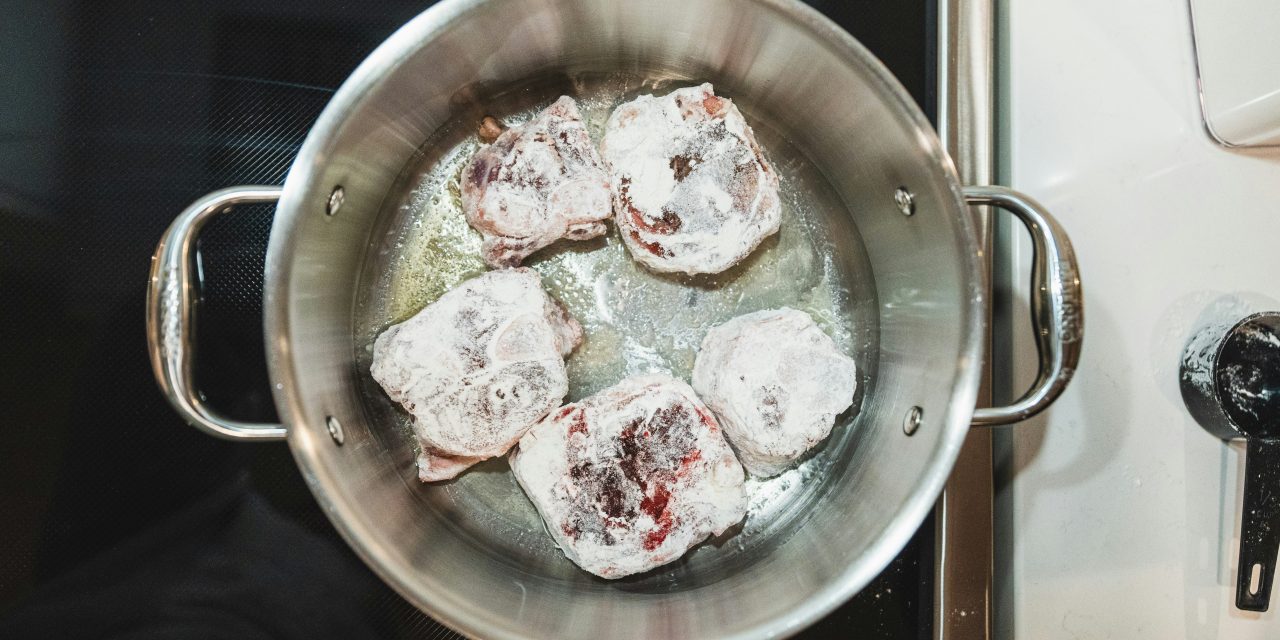
Cooking frozen chicken on the stovetop requires specific techniques to ensure safety and quality. Begin by selecting a heavy-bottomed skillet or sauté pan that distributes heat evenly. Preheat the pan over medium heat and add a small amount of oil or butter to prevent sticking.
Once heated, place the frozen chicken in the pan and cover it with a lid. This helps trap steam and moisture, promoting even cooking throughout the meat. It is essential to monitor the temperature closely; adjust heat levels as necessary to avoid burning while ensuring thorough cooking.
Cooking times will vary based on thickness; boneless breasts may take approximately 20-30 minutes, while bone-in pieces may require up to 40 minutes. As always, use a meat thermometer to confirm that the internal temperature reaches 165°F (74°C) before serving.
Can You Cook Frozen Chicken in a Slow Cooker? What to Know
Cooking frozen chicken in a slow cooker is generally not recommended due to food safety concerns. The USDA advises against placing frozen poultry directly into slow cookers because they may not reach safe temperatures quickly enough, allowing harmful bacteria to proliferate during the initial cooking phase.
If you choose to use a slow cooker for frozen chicken, it is advisable to thaw it first in the refrigerator or microwave before placing it in the cooker. If time constraints prevent thawing, consider using alternative methods such as stovetop or oven cooking for optimal safety.
Instant Pot and Pressure Cooking Frozen Chicken Safely
The Instant Pot is an excellent tool for safely cooking frozen chicken due to its ability to generate high pressure and steam quickly. To cook frozen chicken in an Instant Pot, add at least one cup of liquid—such as broth or water—to create steam.
Place the frozen chicken in the pot and seal it according to manufacturer instructions. Set the pressure cooker to high pressure for approximately 10-15 minutes for boneless cuts or 20-25 minutes for bone-in pieces. Once finished, allow for natural pressure release for about 5-10 minutes before performing a quick release.
Always verify that the internal temperature has reached 165°F (74°C) before serving. The Instant Pot not only ensures safety but also retains moisture, resulting in tender and flavorful chicken.
Common Mistakes to Avoid When Cooking Frozen Chicken
Several common mistakes can compromise both safety and quality when cooking frozen chicken. One prevalent error is neglecting to check internal temperatures with a meat thermometer; relying solely on visual cues can lead to undercooked poultry.
Another mistake involves overcrowding pans or baking sheets, which can hinder even cooking and lead to uneven textures. Additionally, increasing heat levels excessively in an attempt to speed up cooking can result in burnt exteriors with raw interiors.
Lastly, failing to allow adequate resting time after cooking can lead to moisture loss when slicing into the meat too soon. Allowing cooked chicken to rest for several minutes helps redistribute juices for optimal flavor and tenderness.
How to Check if Frozen Chicken Is Cooked Thoroughly
To ensure that frozen chicken is cooked thoroughly, using a meat thermometer is essential. Insert the thermometer into the thickest part of the meat without touching bone; this will provide an accurate reading of internal temperature.
The USDA recommends that all poultry products reach an internal temperature of at least 165°F (74°C). If using bone-in cuts, be sure that both meat near the bone and thicker areas have reached this temperature.
In addition to temperature checks, observe other indicators such as clear juices running from the meat when pierced with a fork or knife. If juices appear pink or cloudy, further cooking is necessary.
Best Practices for Handling and Storing Frozen Chicken Before and After Cooking
Proper handling and storage of frozen chicken are critical components of food safety. Always store raw poultry in airtight packaging within the freezer at 0°F (-18°C) or lower to prevent freezer burn and maintain quality.
When thawing chicken, do so safely by placing it in the refrigerator or using cold water methods—never leave it at room temperature where bacteria can thrive. After handling raw chicken, wash hands thoroughly with soap and water along with any surfaces or utensils that came into contact with it.
After cooking, store leftover chicken within two hours in airtight containers in the refrigerator for up to four days or freeze for longer storage. Reheat leftovers thoroughly before consumption.
In summary, understanding how to safely cook frozen chicken is essential for both health and culinary enjoyment. By following proper techniques—whether baking, stovetop cooking, or using an Instant Pot—individuals can ensure their meals are both delicious and safe from harmful pathogens. Awareness of common mistakes and best practices for handling poultry will further enhance food safety measures in any kitchen setting.
FAQs
Can you cook frozen chicken without thawing it first?
Yes, you can cook frozen chicken without thawing it first. However, it is important to note that cooking times will be longer. The USDA recommends cooking frozen chicken in the oven or on the stovetop, but not in a slow cooker, as it may not reach a safe temperature quickly enough.
What is the safest way to thaw frozen chicken?
The safest way to thaw frozen chicken is in the refrigerator, allowing it to defrost gradually over time. Alternatively, you can use the cold water method by sealing the chicken in a leak-proof bag and submerging it in cold water, changing the water every 30 minutes. The microwave can also be used for thawing, but the chicken should be cooked immediately afterward.
What temperature should chicken be cooked to for safety?
Chicken should be cooked to an internal temperature of 165°F (75°C) to ensure that harmful bacteria are killed. Using a meat thermometer is the best way to check the temperature accurately.
Can you cook frozen chicken in a slow cooker?
No, it is not recommended to cook frozen chicken in a slow cooker. The slow cooking process may not bring the chicken to a safe temperature quickly enough, which can allow harmful bacteria to grow. It is safer to thaw the chicken first or cook it using methods that ensure it reaches the proper temperature quickly.
What are some cooking methods for frozen chicken?
Some effective cooking methods for frozen chicken include baking in the oven, grilling, or pan-searing. These methods allow the chicken to cook evenly and reach the safe internal temperature more efficiently compared to other methods like slow cooking.