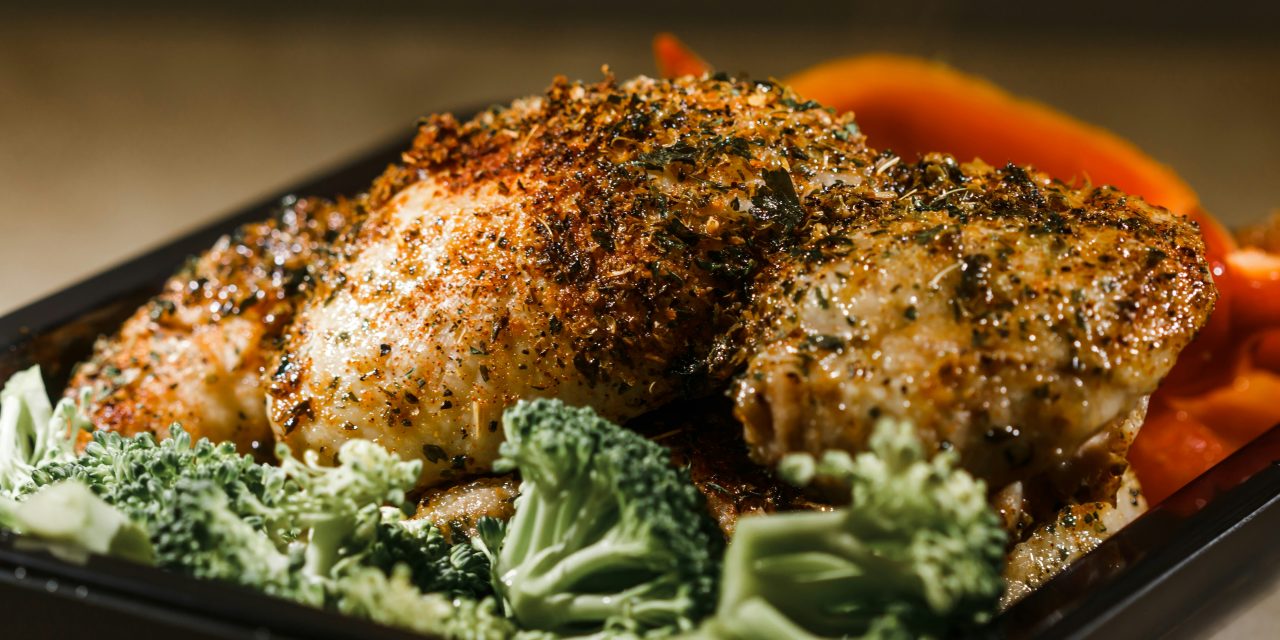
When embarking on the culinary journey of preparing chicken thighs with crispy skin, the selection of the right cut is paramount. Opt for bone-in, skin-on chicken thighs, as these provide the ideal balance of flavor and moisture. The skin acts as a protective barrier, allowing the meat to retain its juiciness while achieving that coveted crispy texture. Look for thighs that are plump and have a vibrant color, indicating freshness. The fat content in chicken thighs is higher than in chicken breasts, which contributes to their rich flavor and succulent texture when cooked properly.
Additionally, consider the source of your chicken. Organic or free-range options often yield superior taste and texture due to their natural diets and living conditions. These chickens tend to have a firmer texture and more pronounced flavor, enhancing the overall dish. When purchasing, check for any signs of freezer burn or discoloration, as these can affect both taste and quality. Ultimately, the right choice of chicken thighs sets the foundation for a delicious meal that will impress any palate.
Preparing the Chicken Thighs: Cleaning and Patting Dry
Preparation is a crucial step in achieving perfectly crispy chicken thighs. Begin by rinsing the thighs under cold running water to remove any residual blood or impurities. This step not only ensures cleanliness but also enhances the overall flavor profile of the dish. After rinsing, it is essential to pat the chicken thighs dry using paper towels. This process removes excess moisture from the skin, which is vital for achieving that desired crispiness during cooking.
Moisture on the skin can lead to steaming rather than roasting, resulting in a less-than-ideal texture. By thoroughly drying the chicken, you create an environment conducive to browning and crisping. Additionally, consider trimming any excess fat around the edges of the thighs; while some fat is necessary for flavor, too much can lead to greasy results. Properly preparing your chicken thighs lays the groundwork for a successful cooking experience.
The Importance of Seasoning: Herbs, Spices, and Marinades

Seasoning is an integral component of any culinary endeavor, particularly when it comes to chicken thighs. A well-seasoned dish elevates flavors and enhances the overall dining experience. Begin with a generous sprinkle of kosher salt, which not only enhances taste but also aids in drawing out moisture from the skin, promoting crispiness. Following this, consider incorporating a blend of herbs and spices tailored to your preferences. Popular choices include garlic powder, onion powder, paprika, and black pepper.
For those seeking a more complex flavor profile, marinating the chicken thighs can be an excellent option. A marinade composed of olive oil, lemon juice, garlic, and fresh herbs can infuse the meat with moisture and flavor while also tenderizing it. Allow the chicken to marinate for at least 30 minutes or up to several hours for maximum impact. The combination of seasoning and marinating ensures that every bite is bursting with flavor while contributing to that sought-after crispy skin.
Preheating the Oven to the Perfect Temperature

Preheating the oven is a critical step that should never be overlooked when baking chicken thighs. The ideal temperature for achieving crispy skin is typically between 425°F (220°C) and 450°F (232°C). This high heat allows for rapid browning and caramelization of the skin while ensuring that the meat cooks through without drying out. Preheating your oven ensures that the chicken thighs are exposed to consistent heat from the moment they enter, promoting even cooking.
To achieve optimal results, use an oven thermometer to verify that your oven reaches the desired temperature accurately. Many home ovens can be off by several degrees, which can significantly impact cooking times and outcomes. Once preheated, allow the oven to stabilize for a few minutes before placing your chicken thighs inside. This attention to detail will contribute to achieving that perfect crispy exterior while maintaining juicy meat within.
Using a Wire Rack for Even Cooking and Crispy Skin
Utilizing a wire rack during baking is a game-changer when it comes to achieving evenly cooked chicken thighs with crispy skin. By elevating the chicken above the baking sheet, air circulates freely around all sides of the meat, promoting even cooking and preventing moisture accumulation on the bottom. This method allows for optimal browning and crispiness on both sides of the chicken.
When placing your chicken thighs on the wire rack, ensure they are spaced apart adequately to allow air circulation between each piece. This spacing prevents steaming and promotes even heat distribution. Additionally, consider lining your baking sheet with aluminum foil for easy cleanup; this will catch any drippings that may fall during cooking while also reflecting heat back towards the chicken.
Applying Oil or Butter for Extra Crispiness
To enhance crispiness further, applying oil or butter to the skin of your chicken thighs is highly recommended. A light coating of olive oil or melted butter not only adds flavor but also aids in browning during cooking. The fat helps to create a barrier that promotes crispiness while preventing moisture from escaping too quickly.
When applying oil or butter, use a brush or your hands to ensure an even coating across the skin surface. Be cautious not to overdo it; a thin layer is sufficient to achieve that golden-brown finish without making the dish overly greasy. For an added layer of flavor, consider infusing your oil or butter with herbs or spices before application; this will impart additional depth to your dish while enhancing its visual appeal.
Arranging the Chicken Thighs Skin-Side Up
Arranging your chicken thighs skin-side up is essential for achieving that coveted crispy exterior. This positioning allows the skin to face directly towards the heat source in your oven, promoting optimal browning and crisping as it cooks. Additionally, this arrangement helps retain moisture within the meat while allowing excess fat to render out during cooking.
When placing your chicken on the wire rack, ensure that each thigh is positioned with ample space between them to allow for proper air circulation. This spacing prevents steaming and ensures that each piece cooks evenly without compromising texture or flavor. By prioritizing this arrangement, you set yourself up for success in achieving perfectly crispy chicken thighs.
Baking Time and Temperature Guidelines for Juicy Meat
The baking time for chicken thighs can vary based on size and thickness; however, general guidelines suggest cooking at 425°F (220°C) for approximately 35-45 minutes. Thicker thighs may require additional time to reach an internal temperature of 165°F (74°C), which is essential for food safety. Using a meat thermometer is crucial in ensuring doneness without overcooking; insert it into the thickest part of the thigh without touching bone for an accurate reading.
During cooking, keep an eye on visual cues such as golden-brown skin and juices running clear from the meat. If you notice excessive browning before reaching proper internal temperature, consider tenting with aluminum foil to prevent burning while allowing continued cooking. This careful monitoring ensures juicy meat paired with perfectly crispy skin.
How to Check for Doneness Without Drying Out the Chicken
Determining doneness without compromising moisture can be challenging but achievable with proper techniques. As previously mentioned, using a meat thermometer is one of the most reliable methods; aim for an internal temperature of 165°F (74°C). However, if you do not have a thermometer on hand, there are alternative methods to assess doneness.
One effective technique involves cutting into one of the thicker pieces near the bone; if juices run clear rather than pink or red, it indicates that the chicken is likely cooked through. Additionally, observe how easily the meat pulls away from the bone; if it separates effortlessly, it’s a sign that it has reached optimal tenderness without drying out.
Resting the Chicken Thighs Before Serving
Resting cooked chicken thighs before serving is an often-overlooked step that significantly enhances flavor and texture. Allowing them to rest for about 5-10 minutes after removing them from the oven enables juices to redistribute throughout the meat rather than spilling out upon cutting. This process results in juicier and more flavorful bites.
During this resting period, cover the chicken loosely with aluminum foil to retain warmth without trapping steam that could soften the crispy skin you worked hard to achieve. This simple yet effective technique ensures that every bite remains succulent while maintaining that delightful crunch on the exterior.
Serving Suggestions and Tips to Keep the Skin Crispy
When it comes time to serve your perfectly baked chicken thighs, presentation matters just as much as taste. Consider pairing them with sides that complement their rich flavor profile—roasted vegetables or creamy mashed potatoes make excellent accompaniments. For added freshness, serve alongside a vibrant salad dressed with citrus vinaigrette.
To maintain crispiness during serving, avoid covering cooked chicken with lids or plastic wrap; instead, serve immediately after resting on warm plates. If you need to hold them for a short period before serving guests, place them in a warm oven set at low heat (around 200°F or 93°C) on a wire rack until ready to enjoy.
In summary, achieving crispy-skinned chicken thighs involves careful selection of ingredients and meticulous preparation techniques. From choosing quality cuts and seasoning effectively to mastering cooking temperatures and resting periods—each step plays a vital role in creating a delicious dish that delights both visually and gastronomically. By following these guidelines diligently, you can elevate your culinary skills and impress family and friends alike with perfectly crispy chicken thighs every time you cook!
FAQs
What temperature should I set my oven to for cooking chicken thighs with crispy skin?
For optimal results, preheat your oven to 425°F (220°C). This high temperature helps render the fat from the skin, resulting in a crispy texture.
How long should I cook chicken thighs in the oven?
Chicken thighs typically take about 35 to 45 minutes to cook in the oven, depending on their size. It’s important to check that the internal temperature reaches 165°F (74°C) for safe consumption.
Should I cover the chicken thighs while cooking?
No, it’s best to leave the chicken thighs uncovered while cooking. This allows the skin to crisp up and become golden brown. Covering them would trap moisture and prevent the skin from achieving that desired crispiness.
What can I do to enhance the crispiness of the chicken skin?
To enhance crispiness, pat the chicken thighs dry with paper towels before seasoning. Additionally, using a light coating of oil and seasoning the skin with salt can help draw out moisture and promote a crispy texture.
Can I use bone-in chicken thighs for this recipe?
Yes, bone-in chicken thighs are ideal for this recipe. They tend to retain moisture better during cooking, resulting in juicy meat while still achieving crispy skin.