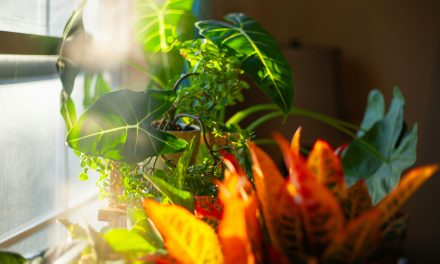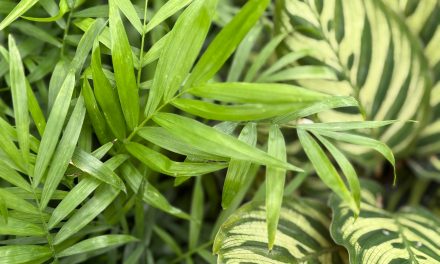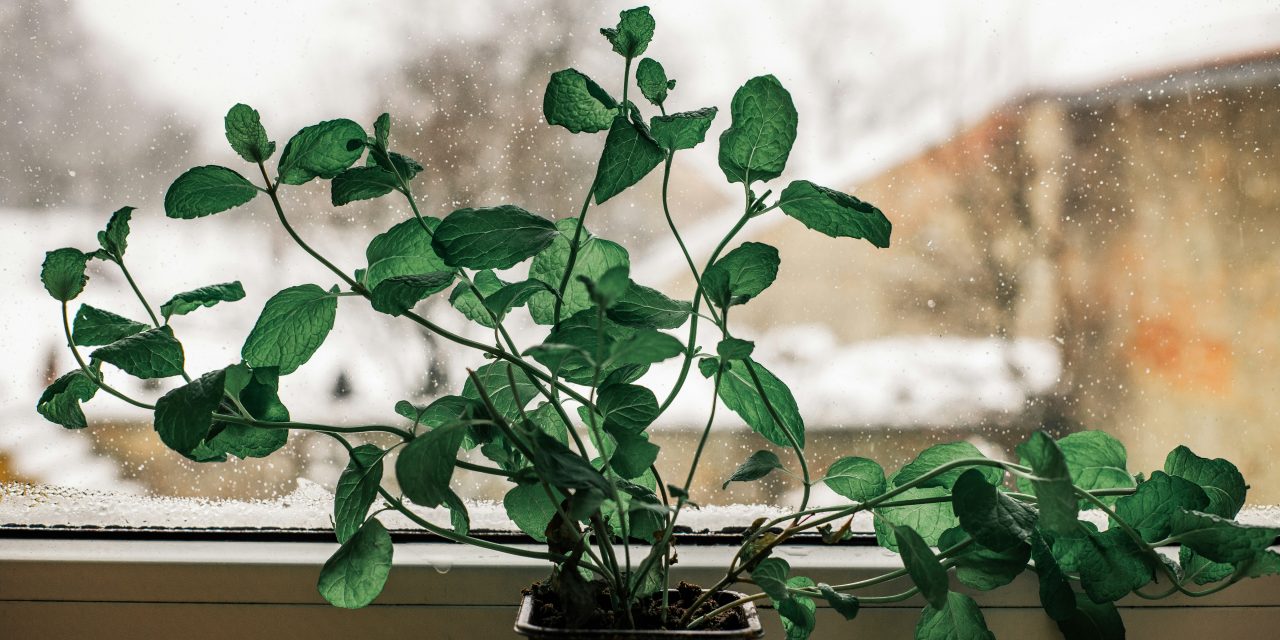
As the winter months approach, many individuals find themselves yearning for a touch of nature within their homes. The cold, dreary days can often lead to feelings of isolation and melancholy, making it essential to create a warm and inviting atmosphere. Houseplants serve as a vital remedy, not only enhancing the aesthetic appeal of indoor spaces but also contributing to improved air quality and overall well-being. Research indicates that indoor plants can reduce stress levels, boost mood, and even enhance cognitive function.
Incorporating houseplants into your winter decor can transform your living environment into a vibrant oasis. They provide a sense of connection to nature, which is particularly important during the colder months when outdoor activities are limited. Furthermore, many houseplants are remarkably resilient and require minimal care, making them ideal companions for those who may not have a green thumb. This article will explore various houseplants that thrive indoors during winter, highlighting their unique characteristics and benefits.
If you’re looking to enhance your indoor space during the colder months, winter houseplants can be a great addition to your home. Not only do they bring a touch of nature indoors, but they also help improve air quality. For more information on maintaining a healthy indoor environment, you might find this article on dealing with pests useful: How to Find the Source of a Fruit Fly Infestation. It provides insights that can help you keep your plants thriving and pest-free during the winter season.
Snake Plant: The Low-Maintenance Air Purifier
The Snake Plant, scientifically known as Sansevieria trifasciata, is a quintessential choice for winter houseplant enthusiasts. Renowned for its striking upright leaves that can reach heights of up to 4 feet, this plant is not only visually appealing but also exceptionally low-maintenance. One of its most remarkable features is its ability to purify indoor air by removing toxins such as formaldehyde and benzene, making it an excellent addition to any home.
This hardy plant thrives in a variety of lighting conditions, from low light to bright indirect sunlight. It requires infrequent watering, as it stores moisture in its thick leaves, making it an ideal option for busy individuals or those who may forget to tend to their plants regularly. To ensure optimal growth, it is advisable to use well-draining soil and allow the top inch of soil to dry out between waterings. With its resilience and air-purifying qualities, the Snake Plant is a perfect companion for winter months.
Pothos: The Versatile Trailing Greenery

Pothos, or Epipremnum aureum, is another popular choice among houseplant aficionados. This versatile trailing plant is characterized by its heart-shaped leaves that come in various shades of green and variegation patterns. Pothos can grow up to 10 feet long, making it an excellent option for hanging baskets or shelves where its vines can cascade elegantly.
One of the key advantages of Pothos is its adaptability to different lighting conditions. It flourishes in low light but also thrives in bright, indirect sunlight. This flexibility makes it suitable for various rooms in the house, from dimly lit corners to sun-drenched spaces. Additionally, Pothos is known for its air-purifying properties, effectively removing indoor pollutants such as xylene and toluene. Regular watering is essential; however, this plant is forgiving if you occasionally forget to hydrate it. With minimal care requirements and stunning visual appeal, Pothos is an excellent choice for winter greenery.
ZZ Plant: The Resilient Indoor Survivor

The ZZ Plant, or Zamioculcas zamiifolia, has gained popularity due to its remarkable resilience and striking appearance. With glossy, dark green leaves that grow in a symmetrical pattern, this plant can reach heights of up to 3 feet. Its ability to thrive in low-light conditions makes it an ideal candidate for winter months when natural light may be scarce.
ZZ Plants are drought-tolerant and can survive extended periods without water, thanks to their thick rhizomes that store moisture. This characteristic makes them perfect for individuals who may travel frequently or have busy schedules. While they prefer indirect light, they can adapt to fluorescent lighting as well. To promote healthy growth, it is advisable to use well-draining soil and avoid overwatering. The ZZ Plant’s low-maintenance nature and striking foliage make it a fantastic addition to any indoor space during the winter season.
If you’re looking to brighten up your home during the colder months, winter houseplants can be a great choice to bring some life indoors. For tips on how to care for these plants and ensure they thrive despite the challenges of winter, you might find this article on animal daycare helpful, as it emphasizes the importance of creating a nurturing environment, which is also essential for your houseplants. Keeping your indoor greenery healthy can enhance your living space and improve your mood during the winter season.
Peace Lily: Elegant Blooms for Dim Winter Days
The Peace Lily, scientifically known as Spathiphyllum, is celebrated for its elegant white blooms that contrast beautifully with its lush green foliage. This plant not only adds a touch of sophistication to any room but also thrives in low-light conditions, making it an excellent choice for winter months when sunlight is limited.
Peace Lilies are known for their air-purifying abilities, effectively removing harmful toxins such as ammonia and formaldehyde from indoor air. They prefer consistently moist soil but should not be overwatered; allowing the top inch of soil to dry out between waterings is ideal. Additionally, Peace Lilies will droop slightly when they need water, providing a visual cue for care. With their stunning blooms and air-cleaning properties, Peace Lilies are perfect for brightening up dim winter days.
Spider Plant: The Classic Hanging Beauty
The Spider Plant (Chlorophytum comosum) has long been a favorite among houseplant enthusiasts due to its charming appearance and ease of care. Characterized by its arching green leaves adorned with white stripes, this plant produces “baby” spiderettes that can be propagated easily, making it an excellent choice for those looking to expand their indoor garden.
Spider Plants thrive in bright, indirect sunlight but can also tolerate lower light conditions. They prefer well-draining soil and should be watered when the top inch feels dry. One of the most appealing aspects of Spider Plants is their ability to purify indoor air by removing pollutants such as carbon monoxide and formaldehyde. Their adaptability and charming aesthetic make them a classic choice for winter decor.
Christmas Cactus: Festive Colors During the Cold
The Christmas Cactus (Schlumbergera) brings vibrant colors into homes during the winter months with its stunning blooms that typically appear around the holiday season. Unlike traditional cacti that thrive in arid environments, the Christmas Cactus prefers a more humid atmosphere and indirect sunlight.
This plant requires regular watering but should be allowed to dry out slightly between waterings to prevent root rot. Fertilizing during the growing season can encourage more prolific blooming during the holidays. The Christmas Cactus is not only visually appealing but also serves as a reminder of the beauty of nature during the cold winter months.
Rubber Plant: Bold Foliage to Energize Your Space
The Rubber Plant (Ficus elastica) is known for its large, glossy leaves that can grow up to 12 inches long. This striking foliage adds a bold statement to any indoor space and can reach heights of up to 8 feet when properly cared for. Rubber Plants thrive in bright, indirect light but can adapt to lower light conditions as well.
These plants prefer well-draining soil and should be watered when the top inch feels dry. Regular pruning can help maintain their shape and encourage bushier growth. Rubber Plants are also known for their air-purifying qualities, making them an excellent choice for improving indoor air quality during winter months.
Philodendron: Lush Leaves for Cozy Corners
Philodendrons are beloved for their lush foliage and adaptability to various indoor environments. With numerous species available, these plants can range from trailing varieties like Philodendron hederaceum to upright types like Philodendron bipinnatifidum. Their heart-shaped leaves create a cozy atmosphere that complements winter decor beautifully.
Philodendrons thrive in bright, indirect light but can tolerate lower light levels as well. They prefer consistently moist soil but should not be overwatered; allowing the top inch of soil to dry out between waterings is ideal. Their ability to purify indoor air further enhances their appeal as winter houseplants.
Aloe Vera: Healing Plant with Minimal Care
Aloe Vera (Aloe barbadensis miller) is not only known for its medicinal properties but also serves as an attractive houseplant with minimal care requirements. This succulent features thick, fleshy leaves that store moisture, making it drought-tolerant and perfect for busy individuals.
Aloe Vera thrives in bright sunlight but can adapt to indirect light conditions as well. It requires well-draining soil and should be watered sparingly; allowing the soil to dry out completely between waterings is crucial to prevent root rot. Beyond its aesthetic appeal, Aloe Vera’s gel-like substance has numerous health benefits, including soothing burns and promoting skin healing.
English Ivy: Charming Vines for Winter Décor
English Ivy (Hedera helix) is a classic climbing vine that adds charm and elegance to any indoor space during winter months. Its lush green leaves can create a beautiful cascading effect when placed in hanging baskets or allowed to trail from shelves.
This plant thrives in bright, indirect light but can tolerate lower light levels as well. English Ivy prefers consistently moist soil but should not be overwatered; allowing the top inch of soil to dry out between waterings is ideal. Additionally, English Ivy has been shown to improve indoor air quality by filtering out pollutants such as formaldehyde and benzene.
Creating a Vibrant Winter Oasis with Houseplants
Incorporating houseplants into your home during the winter months offers numerous benefits beyond mere aesthetics. From improving air quality to enhancing mood and reducing stress levels, these green companions create a vibrant oasis amidst the cold and dreary weather outside. By selecting resilient plants such as Snake Plants, Pothos, ZZ Plants, Peace Lilies, Spider Plants, Christmas Cacti, Rubber Plants, Philodendrons, Aloe Vera, and English Ivy, you can cultivate an inviting atmosphere that promotes well-being throughout the season.
With minimal care requirements and diverse characteristics, these houseplants provide an opportunity for anyone—regardless of gardening experience—to enjoy the beauty of nature indoors during wintertime. Embrace the warmth and vitality that houseplants bring into your life this season!
FAQs
What are some popular winter houseplants?
Some popular winter houseplants include Poinsettias, Christmas Cacti, Amaryllis, Snake Plants, and ZZ Plants. These plants are known for their ability to thrive indoors during the colder months and often add festive cheer to home decor.
How often should I water my winter houseplants?
Winter houseplants typically require less frequent watering than during the growing season. It’s important to check the soil moisture before watering; generally, you should water when the top inch of soil feels dry. Overwatering can lead to root rot, especially in winter when plants are not actively growing.
What light conditions do winter houseplants need?
Most winter houseplants prefer bright, indirect light. During winter, natural light can be limited, so placing plants near south or west-facing windows can help. However, be cautious of direct sunlight, which can scorch the leaves. If natural light is insufficient, consider using grow lights.
How can I maintain humidity for winter houseplants?
Indoor heating during winter can lower humidity levels, which may affect houseplants. To maintain humidity, you can use a humidifier, place a tray of water with pebbles under the pots, or group plants together to create a microclimate. Regular misting can also help, but be careful not to overdo it.
Are there any specific pests to watch for in winter houseplants?
Yes, common pests that can affect winter houseplants include spider mites, aphids, and mealybugs. These pests thrive in dry indoor conditions. Regularly inspecting your plants and maintaining proper humidity can help prevent infestations. If pests are found, consider using insecticidal soap or neem oil for treatment.