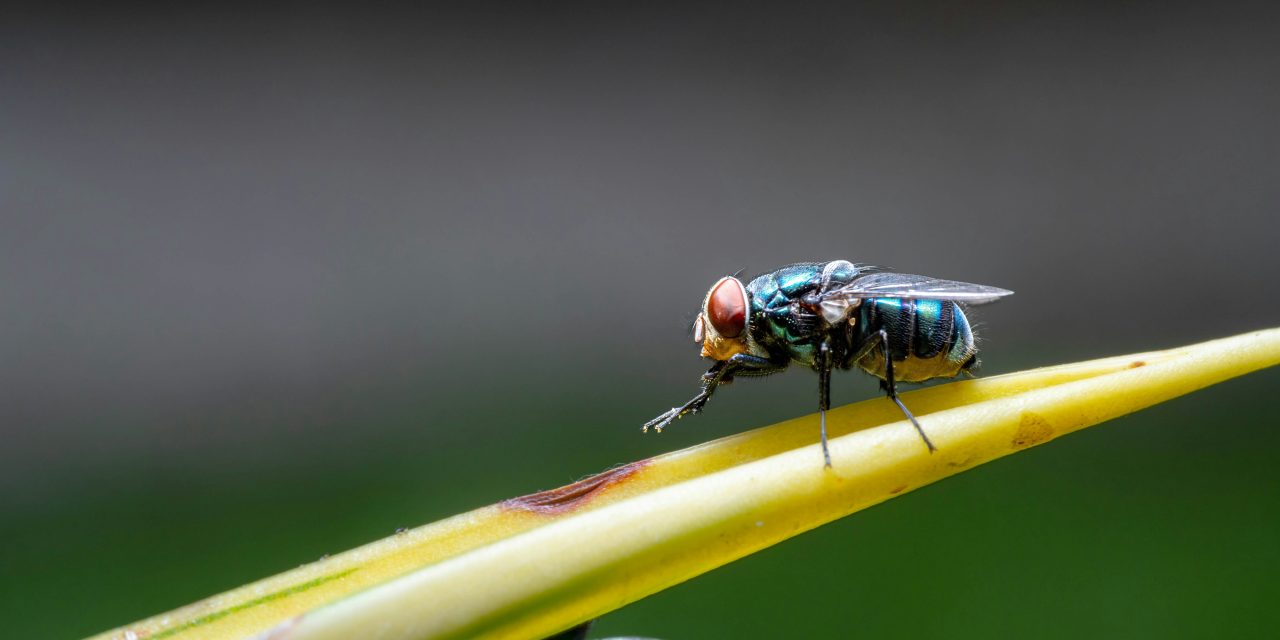
Fruit flies, scientifically known as Drosophila melanogaster, are small insects that thrive in environments rich in fermenting organic matter. These pests are particularly attracted to ripening fruits and vegetables, where they lay their eggs. The life cycle of a fruit fly is remarkably rapid; under optimal conditions, they can transition from egg to adult in as little as eight days. This swift reproductive rate contributes to their notorious reputation as a household nuisance. Adult fruit flies are typically about 1/8 inch long, with red eyes and tan bodies, making them easily recognizable.
The behavior of fruit flies is heavily influenced by their sensory perception. They possess highly developed olfactory receptors that allow them to detect volatile compounds emitted by decaying organic materials from considerable distances. This keen sense of smell guides them to food sources where they can feed and reproduce. Additionally, fruit flies exhibit a unique mating ritual characterized by elaborate courtship behaviors, which include wing vibrations and pheromone release. Understanding these behaviors is crucial for developing effective control strategies.
Common Sources of Fruit Fly Infestations
Fruit fly infestations often originate from various sources within the home. One of the most common culprits is overripe or decaying fruits and vegetables left unattended on countertops or in bowls. These items emit ethylene gas, which not only signals ripeness but also attracts fruit flies seeking a breeding ground. Other potential sources include improperly stored food items, such as opened bottles of wine or vinegar, which can also serve as breeding sites due to their fermentation processes.
Another significant source of fruit fly infestations is garbage and compost bins. Organic waste materials, especially those containing fruits and vegetables, provide an ideal environment for fruit flies to thrive. Even small remnants of food can attract these pests, leading to rapid population growth if not managed properly. Identifying these common sources is essential for implementing effective control measures.
Inspecting Kitchen Areas for Fruit Fly Breeding Grounds

A thorough inspection of kitchen areas is vital for identifying potential breeding grounds for fruit flies. Start by examining countertops, cabinets, and pantry shelves for any signs of overripe produce or spills that may have gone unnoticed. Pay particular attention to areas where food is prepared or stored, as these are prime locations for fruit fly activity.
Additionally, inspect any hidden corners or crevices where food particles may accumulate. Fruit flies can breed in surprisingly small amounts of organic matter, so even a tiny crumb can become a breeding site. Regular cleaning and sanitizing of kitchen surfaces can significantly reduce the likelihood of infestations by eliminating potential food sources.
Checking Garbage and Compost Bins

Garbage and compost bins are notorious hotspots for fruit fly infestations. These containers often harbor decomposing organic matter that attracts fruit flies seeking suitable breeding sites. To effectively manage this risk, it is essential to regularly empty and clean these bins. Use a mixture of hot water and soap or a disinfectant to thoroughly scrub the interior surfaces, ensuring that no remnants of food are left behind.
Consider implementing a strict waste management routine by sealing food scraps in airtight containers before disposal. This practice not only minimizes odors but also reduces the likelihood of attracting fruit flies. Additionally, compost bins should be monitored closely; turning the compost regularly can help aerate it and reduce the likelihood of attracting pests.
Examining Drains and Sinks for Larvae
Drains and sinks are often overlooked areas when it comes to inspecting for fruit fly infestations. These locations can harbor larvae that thrive in the moist environment created by food residues and organic matter buildup. To check for larvae, inspect the drain openings and surrounding areas for any signs of movement or small black specks, which may indicate the presence of fruit fly larvae.
To mitigate this risk, it is advisable to regularly clean drains using a mixture of baking soda and vinegar followed by hot water. This combination not only helps eliminate any organic buildup but also creates an inhospitable environment for fruit fly larvae. Additionally, consider using drain covers to prevent adult flies from accessing these areas.
Investigating Overripe or Rotting Fruits and Vegetables
Overripe or rotting fruits and vegetables are prime targets for fruit flies seeking suitable breeding grounds. It is crucial to conduct regular inspections of all produce stored in your home, particularly those left on countertops or in bowls. Discard any items that show signs of spoilage or decay, as these can quickly become breeding sites.
To prevent future infestations, consider implementing a “first in, first out” system when storing fruits and vegetables. This practice ensures that older items are consumed before they spoil, reducing the likelihood of attracting fruit flies. Additionally, storing produce in the refrigerator can slow down the ripening process and minimize the chances of infestation.
Identifying Hidden Moisture and Spilled Liquids
Hidden moisture and spilled liquids can create an inviting environment for fruit flies to thrive. Areas such as under appliances, behind cabinets, or near sinks may harbor moisture that goes unnoticed during routine cleaning. To identify these hidden sources, conduct a thorough inspection of your kitchen and surrounding areas.
Look for signs of water accumulation or dampness that may indicate leaks or spills. If found, promptly address these issues by drying the area thoroughly and repairing any leaks. Regularly checking for moisture will help eliminate potential breeding grounds for fruit flies and other pests.
Using Traps to Locate Concentrated Fruit Fly Activity
Utilizing traps can be an effective method for locating concentrated areas of fruit fly activity within your home. Commercially available traps often use attractants such as apple cider vinegar or wine to lure fruit flies into a container from which they cannot escape. Setting up multiple traps around your kitchen can help identify hotspots where fruit flies are most active.
Once traps are in place, monitor them regularly to assess the level of infestation. If traps capture a significant number of flies in a specific area, it may indicate a nearby breeding ground that requires immediate attention. This targeted approach allows for more efficient pest control measures.
Inspecting Houseplants and Soil for Infestation
Houseplants can also serve as unexpected breeding grounds for fruit flies, particularly if the soil remains consistently moist or contains decaying organic matter. Inspect both the plants and their soil for any signs of infestation, such as adult flies hovering around the foliage or larvae present in the soil.
To manage this risk, allow the top layer of soil to dry out between watering sessions, as this will deter fruit flies from laying eggs in the moist environment. Additionally, consider repotting plants with fresh soil if you suspect an infestation has occurred.
Monitoring Pet Food and Feeding Areas
Pet food and feeding areas can inadvertently attract fruit flies if not managed properly. Leftover pet food can become a breeding ground if it remains exposed for extended periods. To prevent this issue, ensure that pet food is stored in airtight containers when not in use.
Regularly clean feeding areas by removing any uneaten food promptly and sanitizing surfaces to eliminate potential attractants. By maintaining a clean feeding environment for pets, you can significantly reduce the risk of attracting fruit flies into your home.
Taking Preventative Measures to Avoid Future Infestations
Preventing future fruit fly infestations requires a proactive approach that encompasses various strategies aimed at minimizing attractants within your home. Regular cleaning routines should be established to ensure that all surfaces are free from food residues and spills that could attract pests.
Additionally, consider implementing proper storage techniques for fruits and vegetables by keeping them refrigerated or in sealed containers when possible. Monitoring garbage disposal practices and ensuring compost bins are well-maintained will further reduce the likelihood of attracting fruit flies.
In summary, understanding fruit fly behavior and habits is essential for effective pest management within your home. By identifying common sources of infestations and conducting thorough inspections in key areas such as kitchens, garbage bins, drains, and houseplants, you can take proactive measures to prevent future outbreaks. Utilizing traps can help locate concentrated activity areas while maintaining cleanliness will deter these pests from establishing themselves in your living space.
FAQ Section:
1. **What attracts fruit flies?**
– Fruit flies are primarily attracted to fermenting fruits and vegetables, sugary substances, vinegar, and other organic materials that emit strong odors.
2. **How long do fruit flies live?**
– The lifespan of an adult fruit fly typically ranges from 30 to 50 days under optimal conditions.
3. **Can fruit flies harm humans?**
– While fruit flies do not pose direct health risks to humans, they can contaminate food with bacteria due to their feeding habits.
4. **How do I get rid of fruit flies?**
– Effective methods include cleaning surfaces thoroughly, using traps with attractants like apple cider vinegar, and eliminating potential breeding sites.
5. **Are there natural remedies for controlling fruit flies?**
– Yes! Natural remedies include using essential oils like peppermint or eucalyptus as repellents or creating homemade traps with vinegar.
6. **How can I prevent future infestations?**
– Regular cleaning routines, proper food storage practices, and monitoring garbage disposal methods are key strategies for preventing future infestations.
7. **What should I do if I find larvae in my drains?**
– Clean drains with a mixture of baking soda and vinegar followed by hot water to eliminate larvae and prevent future infestations.
8. **Is it necessary to call pest control for fruit fly problems?**
– In most cases, DIY methods are effective; however, if infestations persist despite efforts, consulting pest control professionals may be warranted.
In conclusion, addressing fruit fly infestations requires diligence in identifying breeding grounds and implementing preventative measures throughout your home environment. By understanding their behavior and habits while employing effective control strategies, you can maintain a pest-free living space conducive to health and comfort.
FAQs
What are the common sources of fruit fly infestations?
Common sources of fruit fly infestations include overripe or rotting fruits and vegetables, spilled juices or alcohol, and improperly stored food items. They are also attracted to compost bins and garbage disposals where organic matter is present.
How can I identify the source of a fruit fly infestation in my home?
To identify the source of a fruit fly infestation, inspect areas where food is stored, including pantries, countertops, and refrigerators. Look for any signs of decaying produce, spills, or hidden food sources. Additionally, check drains and garbage cans for any organic waste that may be attracting them.
What steps can I take to eliminate fruit flies once I find the source?
Once you identify the source, remove any overripe or rotting fruits and clean the area thoroughly. Dispose of any organic waste and clean surfaces with soap and water. You can also use traps, such as vinegar traps, to catch any remaining flies.
How can I prevent future fruit fly infestations?
To prevent future infestations, store fruits and vegetables in the refrigerator, keep countertops clean, and promptly clean up spills. Regularly take out the trash and compost, and ensure that drains are clean and free of organic matter.
Are fruit flies harmful to humans or pets?
Fruit flies are generally not harmful to humans or pets, but they can contaminate food with bacteria and other pathogens. It is advisable to keep food covered and maintain cleanliness to minimize any potential health risks associated with their presence.