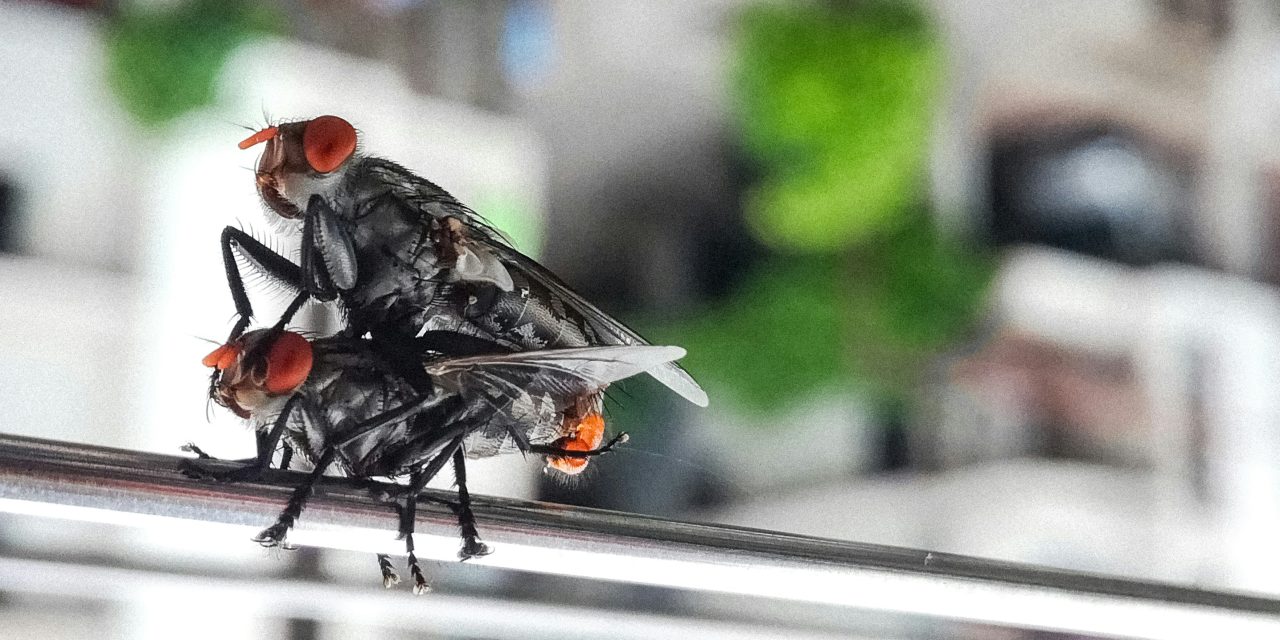
House flies (Musca domestica) are ubiquitous insects that thrive in human environments, particularly in urban areas. Their life cycle consists of four stages: egg, larva (maggot), pupa, and adult, with a rapid reproduction rate that can lead to significant infestations if not managed effectively. Adult house flies are typically 6 to 7 mm in length and exhibit a grayish coloration with four distinct black stripes on their thorax. They possess compound eyes that provide a wide field of vision, enabling them to detect movement and potential threats quickly.
The behavior of house flies is influenced by various factors, including temperature, humidity, and the availability of food sources. They are attracted to decaying organic matter, excrement, and sugary substances, which serve as breeding grounds for their larvae. Understanding these behavioral patterns is crucial for developing effective control strategies. House flies are not only a nuisance but also pose health risks as they can transmit pathogens responsible for diseases such as gastroenteritis and food poisoning through their feces and contaminated surfaces.
Identifying Common Entry Points in Your Home
To effectively combat house flies, it is essential to identify their common entry points into your home. Flies can infiltrate through open doors and windows, but they can also exploit smaller openings. Cracks around windows, gaps in door frames, and poorly sealed vents can serve as gateways for these pests. Additionally, house flies can enter through drainage systems and exhaust fans if they are not adequately screened.
Conducting a thorough inspection of your home is vital for pinpointing these vulnerabilities. Pay close attention to areas where plumbing meets walls, as well as any gaps around utility lines. By sealing these entry points, you can significantly reduce the likelihood of house flies entering your living space. Regular maintenance checks will help ensure that your home remains an inhospitable environment for these pests.
Maintaining Cleanliness to Deter Flies

Maintaining a high standard of cleanliness is one of the most effective deterrents against house flies. Flies are attracted to filth and decaying organic matter; therefore, keeping your home clean can significantly reduce their presence. Regularly cleaning surfaces, especially in kitchens and dining areas, is essential. This includes wiping down countertops, tables, and floors to remove food residues that may attract flies.
In addition to surface cleaning, it is crucial to manage waste effectively. Ensure that garbage bins are tightly sealed and emptied regularly to prevent odors that attract flies. Compost piles should be maintained properly, as decomposing organic matter can become a breeding ground for these pests. By implementing a rigorous cleaning routine, you create an environment that is less appealing to house flies.
Proper Food Storage Techniques

Proper food storage techniques play a pivotal role in preventing house fly infestations. Flies are drawn to exposed food items, so it is essential to store all food in airtight containers. This includes not only perishable items but also dry goods such as grains and cereals. Refrigeration is crucial for items that can spoil quickly; ensure that your refrigerator is set at the appropriate temperature (below 40°F or 4°C) to inhibit bacterial growth.
Additionally, be mindful of pet food storage. Leaving pet food out in open bowls can attract flies, so it is advisable to feed pets at specific times and store leftover food securely. By adopting these food storage practices, you minimize the risk of attracting house flies into your home.
Sealing Cracks and Gaps Effectively
Sealing cracks and gaps in your home is an essential step in preventing house fly entry. These insects can squeeze through surprisingly small openings, making it imperative to conduct a thorough inspection of your property. Use caulk or weather stripping to seal gaps around windows and doors effectively. Pay special attention to areas where different building materials meet, as these joints can often harbor unnoticed openings.
In addition to sealing visible gaps, consider installing door sweeps on exterior doors to block any potential entry points at the bottom. Regularly inspect screens on windows and doors for tears or holes that could allow flies access to your living space. By taking these proactive measures, you create a physical barrier that significantly reduces the likelihood of house flies entering your home.
Using Screens on Windows and Doors
Installing screens on windows and doors is an effective strategy for keeping house flies at bay while allowing fresh air into your home. Screens act as a barrier against flying insects without compromising ventilation. When selecting screens, opt for fine mesh materials that can effectively block even the smallest flies from entering.
Ensure that all screens are properly fitted and free from tears or holes. Regular maintenance is necessary; inspect screens periodically for damage and replace them as needed. Additionally, consider using magnetic screen doors for high-traffic areas, which allow easy access while preventing flies from entering when the door is open. By utilizing screens effectively, you can enjoy fresh air without inviting unwanted pests into your home.
Natural Repellents to Keep Flies Away
Natural repellents can be an effective way to deter house flies without resorting to chemical pesticides. Essential oils such as eucalyptus, peppermint, and lavender have been shown to repel flies due to their strong scents. You can create a simple fly repellent spray by mixing water with a few drops of essential oil in a spray bottle and applying it around entry points and areas where flies are commonly seen.
Another natural deterrent involves using vinegar traps. Fill a bowl with apple cider vinegar and cover it with plastic wrap secured with a rubber band. Poke small holes in the wrap; the scent will attract flies while preventing them from escaping once they enter the trap. These natural solutions not only help keep flies away but also contribute to a healthier indoor environment free from harsh chemicals.
Installing Fly Traps and Zappers
Installing fly traps and zappers can provide an additional layer of protection against house flies in your home. Various types of traps are available on the market, including sticky traps that capture flies upon contact and electric zappers that kill them instantly upon contact with electrified grids. When selecting traps, consider the size of the area you need to cover and choose accordingly.
Place traps strategically in areas where flies are frequently observed, such as near garbage bins or compost piles. Regularly check traps for effectiveness; replace sticky traps when they become full or ineffective. Electric zappers should be cleaned periodically to ensure optimal performance. By incorporating traps into your pest management strategy, you can significantly reduce the fly population in your home.
Managing Outdoor Waste and Compost Areas
Effective management of outdoor waste and compost areas is crucial for preventing house fly infestations. Flies are attracted to decaying organic matter; therefore, keeping outdoor spaces clean is essential. Ensure that garbage bins are tightly sealed and emptied regularly to minimize odors that attract flies.
When it comes to composting, proper management is key. Turn compost piles regularly to aerate them and speed up decomposition while minimizing odors that attract pests. Consider using a closed compost bin designed to deter flies while still allowing for effective composting processes. By maintaining cleanliness in outdoor waste areas, you reduce the likelihood of attracting house flies into your home.
Regular Home Maintenance and Inspection
Regular home maintenance and inspection are vital components of an effective pest management strategy against house flies. Schedule routine checks of your property to identify potential entry points or breeding sites for flies. Inspect areas such as attics, basements, and crawl spaces where moisture may accumulate, creating ideal conditions for fly breeding.
Additionally, ensure that all plumbing fixtures are functioning correctly to prevent leaks that could attract pests. Regularly clean gutters and downspouts to prevent standing water accumulation around your home’s foundation. By staying vigilant with maintenance tasks, you create an environment less conducive to fly infestations.
When to Call Professional Pest Control Services
If house fly infestations persist despite your best efforts at prevention and control, it may be time to call professional pest control services. Pest control experts possess specialized knowledge and tools necessary for effectively managing fly populations in residential settings. They can conduct thorough inspections to identify breeding sites and entry points that may have been overlooked.
Professional services often employ integrated pest management (IPM) strategies that combine sanitation practices with targeted treatments tailored to your specific situation. This may include the use of insecticides or biological control methods designed to minimize environmental impact while effectively reducing fly populations. Engaging professional services ensures a comprehensive approach to pest management that addresses both immediate concerns and long-term prevention strategies.
In summary, understanding the behavior of house flies is crucial for effective management within residential environments. Identifying common entry points, maintaining cleanliness, employing proper food storage techniques, sealing gaps effectively, using screens on windows and doors, utilizing natural repellents, installing traps or zappers, managing outdoor waste responsibly, conducting regular maintenance inspections, and knowing when to seek professional help are all integral components of a comprehensive strategy against house flies. By implementing these measures diligently, homeowners can significantly reduce the risk of infestations while promoting a healthier living environment free from these persistent pests.
FAQs
What are some effective ways to prevent house flies from entering my home?
To prevent house flies from entering your home, ensure that all windows and doors are properly sealed and fitted with screens. Use weather stripping to close gaps, and keep doors closed when not in use. Additionally, consider using fly traps or repellents near entry points.
How can I eliminate existing house flies in my home?
To eliminate existing house flies, you can use a combination of cleaning and trapping methods. Clean up food spills and waste promptly, and store food in airtight containers. You can also use fly traps, insect sprays, or natural repellents like vinegar and essential oils to reduce their numbers.
Are there any natural remedies to deter house flies?
Yes, several natural remedies can deter house flies. Essential oils such as peppermint, eucalyptus, and lavender can be effective when mixed with water and sprayed around the home. Additionally, placing bowls of vinegar or a mixture of sugar and water can attract and trap flies.
What role does sanitation play in keeping house flies away?
Sanitation is crucial in keeping house flies away, as they are attracted to food waste, garbage, and decaying organic matter. Regularly cleaning surfaces, disposing of trash properly, and maintaining a clean kitchen can significantly reduce the likelihood of attracting flies.
Can house flies carry diseases, and should I be concerned?
Yes, house flies can carry diseases as they often feed on decaying organic matter and waste. They can transfer pathogens to food and surfaces, potentially leading to foodborne illnesses. It is important to maintain cleanliness and take preventive measures to minimize health risks associated with house flies.