Household pests are a significant concern for homeowners, as they can cause damage to property and pose health risks to inhabitants. Common pests include rodents, insects, and arachnids, each with unique behaviors and characteristics. Rodents, such as mice and rats, are notorious for their ability to reproduce rapidly and invade homes in search of food and shelter. Insects like cockroaches, ants, and termites can compromise structural integrity and contaminate food supplies. Arachnids, including spiders, may not cause direct harm but can induce fear and anxiety in many individuals.
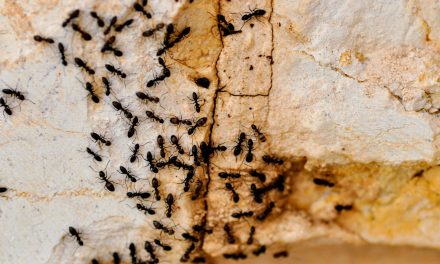
Understanding the biology and habits of these pests is crucial for effective management. For instance, rodents have a keen sense of smell and can detect food from considerable distances. They are nocturnal creatures, making them more active during the night when human activity is minimal. Insects often follow pheromone trails laid by their colonies, which can lead to infestations if not addressed promptly. By recognizing the signs of pest activity—such as droppings, gnaw marks, or nests—homeowners can take proactive measures to mitigate infestations before they escalate.
Maintaining Cleanliness to Deter Pests
A clean home is the first line of defense against pest invasions. Regular cleaning routines that focus on eliminating food sources and hiding spots can significantly reduce the likelihood of infestations. Vacuuming floors, wiping down surfaces, and decluttering spaces are essential practices that help eliminate crumbs and debris that attract pests. Special attention should be given to kitchens and dining areas, where food particles are most likely to accumulate.
In addition to routine cleaning, deep cleaning should be performed periodically. This includes scrubbing appliances, cleaning behind furniture, and washing linens and curtains. Such thorough cleaning not only removes potential food sources but also disrupts pest habitats. By maintaining a high standard of cleanliness, homeowners can create an environment that is less inviting to pests, thereby reducing the chances of an infestation.
Proper Food Storage Techniques

Effective food storage is paramount in preventing pest infestations. Many household pests are attracted to easily accessible food sources, making it essential to store food items securely. All perishable goods should be kept in airtight containers made of glass or heavy-duty plastic. This not only preserves freshness but also prevents pests from accessing the contents.
Dry goods such as grains, cereals, and snacks should also be stored in sealed containers. Cardboard boxes and plastic bags are insufficient barriers against pests like moths and weevils. Additionally, it is advisable to regularly check pantry items for signs of infestation, such as webbing or larvae. By implementing proper food storage techniques, homeowners can significantly reduce the risk of attracting unwanted pests into their living spaces.
Sealing Entry Points and Cracks

Pests often enter homes through small openings and cracks in walls, windows, and doors. Identifying and sealing these entry points is a critical step in pest prevention. Homeowners should conduct a thorough inspection of their property to locate potential access points. Common areas to check include gaps around windows and doors, cracks in the foundation, and openings around utility lines.
Once identified, these entry points should be sealed using appropriate materials such as caulk or weather stripping. For larger openings, steel wool or mesh screens can be effective barriers against rodents. Regular maintenance of these seals is essential; over time, wear and tear can create new vulnerabilities that pests may exploit. By proactively sealing entry points, homeowners can significantly reduce the likelihood of pest invasions.
Managing Moisture and Fixing Leaks
Moisture is a key attractant for many household pests, particularly insects like cockroaches and termites that thrive in damp environments. Managing moisture levels within the home is crucial for pest prevention. Homeowners should regularly inspect areas prone to leaks, such as under sinks, around toilets, and in basements or attics. Promptly addressing any leaks or water damage is essential to eliminate potential breeding grounds for pests.
In addition to fixing leaks, homeowners should consider using dehumidifiers in areas with high humidity levels. Proper ventilation in bathrooms and kitchens can also help reduce moisture accumulation. By maintaining a dry environment, homeowners can deter pests that rely on moisture for survival.
Regularly Inspecting and Cleaning Gutters
Gutters play a vital role in directing water away from a home’s foundation; however, clogged gutters can lead to water pooling and create ideal conditions for pests. Regular inspection and cleaning of gutters are essential practices that homeowners should adopt to prevent pest infestations. Debris such as leaves, twigs, and dirt can accumulate in gutters over time, obstructing water flow and creating stagnant pools that attract mosquitoes and other pests.
To maintain clean gutters, homeowners should schedule inspections at least twice a year—preferably in spring and fall—when debris accumulation is most likely. During these inspections, it is important to remove any blockages and ensure that downspouts direct water away from the foundation. By keeping gutters clear and functional, homeowners can significantly reduce the risk of pest-related issues stemming from moisture accumulation.
Using Natural Pest Repellents
Natural pest repellents offer an eco-friendly alternative to chemical pesticides for managing household pests. Many essential oils possess insect-repelling properties that can deter pests without posing risks to human health or the environment. For example, peppermint oil is known for its ability to repel ants and spiders when diluted with water and sprayed around entry points.
Other natural repellents include vinegar solutions that can deter fruit flies and cockroaches when applied to surfaces where these pests are commonly found. Diatomaceous earth is another effective natural option; this powdery substance can be sprinkled in areas where insects are likely to travel, causing dehydration upon contact. By incorporating natural pest repellents into their pest management strategies, homeowners can create a safer living environment while effectively deterring unwanted visitors.
Keeping Outdoor Areas Tidy and Free of Debris
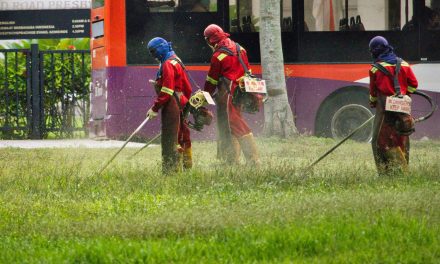
Outdoor spaces can serve as breeding grounds for pests if not properly maintained. Keeping yards tidy is essential for preventing infestations from migrating indoors. Homeowners should regularly mow lawns, trim shrubs, and remove any standing water that may attract mosquitoes or other insects. Additionally, debris such as fallen leaves or wood piles should be cleared away promptly to eliminate potential habitats for pests.
Proper landscaping practices can also contribute to pest prevention. Maintaining a distance between plants and the home’s foundation reduces the likelihood of pests finding their way indoors. Furthermore, using mulch sparingly around flower beds can help minimize moisture retention that attracts insects. By maintaining tidy outdoor areas, homeowners can significantly reduce the risk of pest invasions.
Proper Waste Management and Disposal
Effective waste management is crucial in preventing pest infestations within the home. Garbage cans should be equipped with tight-fitting lids to prevent access by rodents or insects seeking food sources. Regularly disposing of trash—ideally on a weekly basis—helps minimize odors that attract pests.
Composting organic waste can also pose challenges if not managed correctly; it is essential to keep compost bins sealed and aerated while ensuring they do not become overly moist or odorous. Additionally, recycling practices should be implemented with care; rinsing containers before disposal prevents attracting pests drawn to residual food particles. By adopting proper waste management techniques, homeowners can significantly reduce the likelihood of attracting unwanted pests.
Utilizing Professional Pest Control Services
In cases where infestations become overwhelming or difficult to manage independently, enlisting professional pest control services may be necessary. Pest control experts possess specialized knowledge and tools that enable them to identify infestations accurately and implement effective treatment strategies tailored to specific pest problems.
Professional services often utilize integrated pest management (IPM) approaches that combine various techniques for long-term solutions rather than relying solely on chemical treatments. This may include habitat modification, exclusion techniques, biological control methods, and targeted pesticide applications when necessary. By utilizing professional services when needed, homeowners can ensure comprehensive pest management while minimizing risks associated with DIY approaches.
Monitoring and Early Detection Strategies
Early detection is key in preventing minor pest issues from escalating into significant infestations. Homeowners should adopt monitoring strategies that involve regular inspections of common problem areas such as kitchens, basements, attics, and garages. Setting up traps or bait stations can help identify pest activity before it becomes widespread.
Additionally, maintaining a pest diary can assist homeowners in tracking sightings or signs of activity over time; this information can be invaluable when consulting with pest control professionals if needed. By implementing monitoring strategies and remaining vigilant about potential signs of infestation, homeowners can take proactive measures to address issues before they escalate into larger problems.
In summary, understanding common household pests is crucial for effective management strategies aimed at preventing infestations. Maintaining cleanliness through regular cleaning routines helps deter pests by eliminating food sources while proper food storage techniques ensure that items remain secure from unwanted visitors. Sealing entry points reduces access for pests while managing moisture levels prevents breeding grounds from forming indoors.
Regularly inspecting gutters keeps outdoor areas tidy minimizes habitats for pests outside the home while utilizing natural repellents offers eco-friendly alternatives for managing infestations effectively without harmful chemicals involved in traditional methods.
Proper waste management practices further contribute towards reducing attractants within living spaces alongside professional pest control services when necessary provide comprehensive solutions tailored specifically towards individual needs ensuring long-term success against unwanted invaders.
Finally monitoring strategies allow early detection enabling prompt action taken before minor issues escalate into significant problems ultimately safeguarding homes against potential damages caused by persistent household pests over time.
FAQs
What are some common pests that require prevention measures?
Common pests that often require prevention measures include ants, cockroaches, termites, rodents, bed bugs, and mosquitoes. Each of these pests can cause damage to property or pose health risks, making it essential to implement effective prevention strategies.
What are effective methods for pest prevention in homes?
Effective methods for pest prevention in homes include sealing cracks and crevices, maintaining cleanliness, reducing moisture levels, storing food in airtight containers, and using natural repellents. Regular inspections and professional pest control services can also help in identifying and mitigating potential infestations.
How can landscaping contribute to pest prevention?
Landscaping can significantly contribute to pest prevention by creating barriers and reducing habitats for pests. Keeping plants trimmed, using mulch sparingly, and ensuring proper drainage can deter pests. Additionally, planting pest-repellent plants can help keep unwanted insects at bay.
Are there eco-friendly pest prevention options available?
Yes, there are several eco-friendly pest prevention options available, such as using diatomaceous earth, essential oils, and natural predators like ladybugs or nematodes. These methods are less harmful to the environment and can effectively manage pest populations without the use of harsh chemicals.
How often should pest prevention measures be implemented?
Pest prevention measures should be implemented regularly, ideally on a seasonal basis or at least twice a year. However, if you live in an area prone to specific pests or have had previous infestations, more frequent inspections and preventive actions may be necessary to maintain a pest-free environment.