In the realm of business operations, the significance of commercial pest control cannot be overstated. Pests such as rodents, insects, and other vermin pose a substantial threat to both the integrity of a business and the health of its employees and customers. The presence of pests can lead to severe repercussions, including property damage, contamination of products, and a tarnished reputation. For instance, a single rodent sighting can deter potential customers and lead to a loss of revenue, while infestations can result in costly remediation efforts.
Moreover, pests can compromise food safety standards, particularly in the food service industry. The Centers for Disease Control and Prevention (CDC) estimates that approximately 48 million people in the United States experience foodborne illnesses annually, with pests being a significant contributing factor. Therefore, implementing a robust pest control strategy is not merely an operational necessity; it is a critical component of maintaining public health and ensuring compliance with regulatory standards.
Conducting Regular Inspections to Identify Pest Problems
Regular inspections are paramount in identifying pest problems before they escalate into full-blown infestations. A systematic approach to inspections involves examining both the interior and exterior of a facility for signs of pest activity. This includes looking for droppings, gnaw marks, nests, and other indicators that pests may be present. Additionally, it is essential to assess potential breeding grounds such as stagnant water sources or cluttered storage areas.
Establishing a routine inspection schedule—ideally on a monthly basis—can significantly enhance the likelihood of early detection. During these inspections, trained personnel should utilize tools such as flashlights and magnifying glasses to scrutinize hard-to-reach areas. Documenting findings meticulously allows for tracking trends over time and aids in developing targeted pest management strategies.
Implementing Effective Sanitation Practices

Sanitation practices play a crucial role in pest prevention. Maintaining a clean environment minimizes the availability of food sources and nesting sites for pests. Businesses should establish comprehensive cleaning protocols that include regular sweeping, mopping, and disinfecting surfaces. Special attention should be given to high-risk areas such as kitchens, dining areas, and storage rooms where food products are handled.
In addition to routine cleaning, it is vital to implement practices that discourage pest attraction. This includes promptly addressing spills, securely storing food items in airtight containers, and ensuring that waste is disposed of properly. By fostering an environment that prioritizes cleanliness, businesses can significantly reduce the likelihood of pest infestations.
Sealing Entry Points to Prevent Pest Access

Preventing pests from entering a facility is a fundamental aspect of pest control. Sealing entry points effectively reduces the risk of infestations by eliminating potential access routes for pests. Common entry points include gaps around doors and windows, cracks in walls, and openings around utility lines. Utilizing materials such as caulk or weather stripping can effectively seal these vulnerabilities.
Furthermore, installing door sweeps on exterior doors can prevent pests from slipping through gaps at the bottom. Regularly inspecting the building’s exterior for signs of wear and tear is essential; proactive maintenance can thwart potential infestations before they begin. By fortifying the physical barriers of a facility, businesses can create an inhospitable environment for pests.
Proper Waste Management and Disposal Techniques
Effective waste management is integral to pest control strategies. Improper disposal of waste can attract pests and create breeding grounds within or around a facility. Businesses should implement strict waste disposal protocols that include using sealed containers for trash and recycling materials. Regularly scheduled waste removal services are essential to prevent overflow and minimize odors that may attract pests.
Additionally, composting organic waste should be approached with caution; while it can be environmentally beneficial, improper composting practices can lead to pest attraction. Ensuring that compost bins are tightly sealed and located away from the building can mitigate this risk. By prioritizing proper waste management techniques, businesses can significantly reduce their vulnerability to pest infestations.
Utilizing Professional Pest Control Services
Engaging professional pest control services is often necessary for businesses facing persistent pest issues or those seeking to establish comprehensive pest management plans. Licensed pest control professionals possess the expertise and tools required to identify specific pest problems accurately and implement effective treatment strategies. These experts utilize integrated pest management (IPM) approaches that combine various methods for long-term solutions.
Professional services often include thorough inspections, targeted treatments, and ongoing monitoring to ensure that pest populations remain under control. Additionally, these experts stay abreast of the latest advancements in pest control technology and regulations, ensuring that businesses remain compliant with local laws while effectively managing pest populations.
Choosing the Right Pest Control Products for Your Business
Selecting appropriate pest control products is critical for effective management strategies. Businesses must consider factors such as the type of pests being targeted, the environment in which products will be used, and any potential health risks associated with chemical treatments. Integrated Pest Management (IPM) emphasizes using non-chemical methods whenever possible; however, when chemical treatments are necessary, selecting products with minimal toxicity is essential.
For example, bait stations for rodents should be strategically placed in areas where rodent activity has been identified while ensuring they are inaccessible to non-target species such as pets or children. Additionally, insecticides should be chosen based on their efficacy against specific pests while considering their impact on human health and the environment. By carefully selecting pest control products, businesses can enhance their pest management efforts while prioritizing safety.
Training Employees on Pest Prevention Measures
Employee training is an often-overlooked aspect of effective pest control strategies. Ensuring that all staff members are educated about pest prevention measures fosters a culture of vigilance within the workplace. Training sessions should cover topics such as identifying signs of pest activity, proper sanitation practices, and reporting procedures for suspected infestations.
Regular refresher courses can help reinforce these concepts and keep employees informed about new developments in pest management practices. Encouraging employees to take ownership of their roles in maintaining a pest-free environment empowers them to contribute actively to prevention efforts. By cultivating awareness among staff members, businesses can significantly enhance their overall pest control initiatives.
Monitoring and Maintaining Pest Control Systems
Establishing monitoring systems is vital for assessing the effectiveness of pest control measures over time. Regularly scheduled follow-up inspections allow businesses to evaluate whether implemented strategies are yielding desired results or if adjustments are necessary. Monitoring tools such as traps or bait stations provide valuable data regarding pest activity levels and help identify trends.
Additionally, maintaining records of inspections and treatments enables businesses to track progress and make informed decisions regarding future pest management strategies. Consistent monitoring ensures that any resurgence of pests is detected early, allowing for prompt intervention before infestations escalate.
Developing an Integrated Pest Management (IPM) Plan
An Integrated Pest Management (IPM) plan serves as a comprehensive framework for addressing pest issues within a business setting. This approach combines multiple strategies—such as sanitation practices, exclusion techniques, monitoring systems, and targeted treatments—to create a holistic solution tailored to specific needs.
Developing an IPM plan involves assessing the unique characteristics of the facility, identifying potential vulnerabilities, and establishing protocols for regular inspections and employee training. By adopting an IPM approach, businesses can minimize reliance on chemical treatments while effectively managing pest populations through proactive measures.
Staying Compliant with Local Pest Control Regulations
Compliance with local pest control regulations is essential for businesses operating in various industries. Regulatory bodies often impose strict guidelines regarding pesticide use, reporting requirements for infestations, and sanitation standards to protect public health. Failure to adhere to these regulations can result in fines or legal repercussions.
Businesses should familiarize themselves with relevant local laws governing pest control practices and ensure that all employees are aware of compliance requirements. Regular audits can help identify areas where improvements may be needed to meet regulatory standards effectively.
In summary, commercial pest control is an essential aspect of maintaining a safe and healthy business environment. By conducting regular inspections, implementing effective sanitation practices, sealing entry points, managing waste properly, utilizing professional services when necessary, choosing appropriate products, training employees, monitoring systems diligently, developing an Integrated Pest Management plan, and staying compliant with regulations, businesses can significantly reduce their risk of infestations while safeguarding their reputation and bottom line.
FAQs
What is commercial pest control?
Commercial pest control refers to the management and elimination of pests in business environments, such as offices, restaurants, warehouses, and retail spaces. It involves the use of various techniques and products to prevent and control infestations of insects, rodents, and other pests that can harm property, health, and reputation.
Why is commercial pest control important for businesses?
Commercial pest control is crucial for maintaining a safe and healthy environment for employees and customers. Pests can cause damage to property, contaminate food supplies, and lead to health risks. Effective pest management helps businesses comply with health regulations, protects their reputation, and ensures a comfortable atmosphere for everyone.
What types of pests are commonly targeted in commercial pest control?
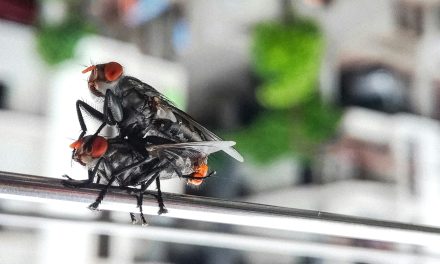
Common pests targeted in commercial pest control include rodents (like mice and rats), insects (such as ants, cockroaches, and termites), and other nuisances like bed bugs and flies. Each type of pest requires specific strategies for effective control and prevention.
How often should businesses schedule pest control services?
The frequency of pest control services depends on the type of business and its specific pest risks. Generally, businesses should consider regular inspections and treatments at least quarterly, while food service establishments may require monthly or bi-monthly services to ensure compliance with health standards.
What methods are used in commercial pest control?
Commercial pest control employs a variety of methods, including chemical treatments, traps, baits, and exclusion techniques. Integrated Pest Management (IPM) is often used, which combines these methods with monitoring and prevention strategies to minimize the use of chemicals and ensure long-term pest control.