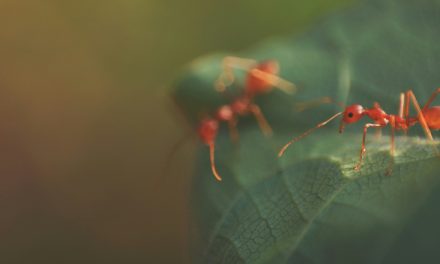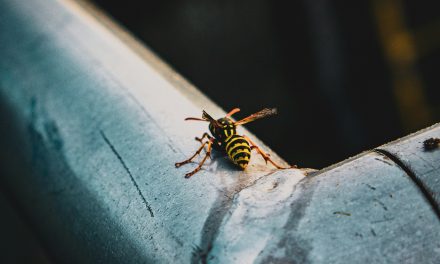
Household pests are a significant concern for homeowners, as they can cause damage to property, contaminate food, and pose health risks. Common pests include rodents such as mice and rats, insects like cockroaches, ants, termites, and bedbugs, as well as arachnids like spiders. Each of these pests has unique behaviors and habitats that make them particularly troublesome. For instance, rodents are notorious for gnawing through wires and insulation, while termites can silently destroy wooden structures over time.
Understanding the biology and behavior of these pests is crucial for effective management. Rodents reproduce rapidly, with a single pair capable of producing up to 200 offspring in a year under optimal conditions. Cockroaches can survive without food for a month and are known to carry pathogens that can lead to gastrointestinal diseases. By recognizing the signs of infestation—such as droppings, gnaw marks, or shed exoskeletons—homeowners can take proactive measures to mitigate the risks associated with these unwelcome guests.
Regular Inspection: The First Line of Defense
Conducting regular inspections is essential for early detection of pest infestations. Homeowners should systematically examine their properties at least once a month, focusing on areas where pests are likely to thrive, such as basements, attics, kitchens, and bathrooms. During these inspections, look for signs of pest activity, including droppings, nests, or damage to structures and belongings.
In addition to visual inspections, employing traps can provide valuable insights into pest populations. Sticky traps for insects and snap traps for rodents can help gauge the severity of an infestation. If pests are detected during inspections, immediate action should be taken to address the issue before it escalates into a larger problem.
Maintaining Cleanliness to Deter Pests

A clean home is less attractive to pests. Maintaining high standards of cleanliness is one of the most effective deterrents against infestations. Regularly vacuuming carpets and upholstery removes food particles and debris that may attract pests. Additionally, wiping down surfaces with disinfectants eliminates pheromones left by insects that could invite more pests.
Kitchen cleanliness is particularly crucial; crumbs and spills should be promptly cleaned up, and dishes should not be left in the sink overnight. Garbage cans should be sealed tightly and emptied regularly to prevent attracting rodents and insects. By fostering a clean environment, homeowners can significantly reduce the likelihood of pest invasions.
Sealing Entry Points to Keep Pests Out

Preventing pests from entering the home is a critical aspect of pest management. Identifying and sealing potential entry points can drastically reduce the chances of an infestation. Common entry points include gaps around windows and doors, cracks in foundations, and openings around utility lines. Using caulk or weather stripping can effectively seal these gaps.
Additionally, installing door sweeps on exterior doors can prevent pests from slipping inside. Homeowners should also inspect screens on windows and vents for tears or holes that could allow insects to enter. By fortifying the home’s defenses against intruders, the risk of pest problems can be minimized.
Proper Food Storage Techniques
Proper food storage is vital in preventing pest infestations. Food items should be stored in airtight containers made of glass or heavy-duty plastic to deter pests from accessing them. This is especially important for dry goods such as grains, cereals, and snacks that are often targeted by pantry pests like moths and beetles.
Refrigeration is another effective method for preserving food quality while deterring pests. Perishable items should be stored in the refrigerator promptly after use. Additionally, regularly checking expiration dates and discarding expired items helps maintain a pest-free environment by eliminating potential food sources.
Managing Moisture and Fixing Leaks
Moisture control is essential in preventing pest infestations, as many pests thrive in damp environments. Homeowners should regularly check for leaks in plumbing fixtures, roofs, and basements. Any signs of water damage or mold should be addressed immediately to eliminate conducive conditions for pests like termites and cockroaches.
Using dehumidifiers in areas prone to moisture accumulation can help maintain optimal humidity levels. Proper ventilation in bathrooms and kitchens also plays a crucial role in moisture management. By keeping humidity levels low and addressing leaks promptly, homeowners can significantly reduce the risk of pest infestations.
Yard Maintenance for Pest Prevention
Outdoor spaces require regular maintenance to prevent pests from encroaching on the home. Keeping lawns well-trimmed and removing debris such as fallen leaves or wood piles can eliminate potential habitats for pests like ticks and mosquitoes. Additionally, maintaining a distance between shrubs and the foundation of the house can deter pests from finding their way indoors.
Planting pest-repellent plants such as marigolds or lavender can also serve as a natural deterrent against certain insects. Regularly inspecting outdoor furniture and play equipment for signs of pest activity ensures that outdoor spaces remain inviting without attracting unwanted guests.
Using Natural and Chemical Pest Control Methods
When it comes to pest control methods, homeowners have various options ranging from natural remedies to chemical treatments. Natural methods include using diatomaceous earth, essential oils like peppermint or tea tree oil, and vinegar solutions that repel insects without harmful side effects.
Chemical treatments may be necessary for severe infestations but should be used judiciously. Insecticides containing pyrethroids or neonicotinoids are commonly used for indoor pest control but must be applied according to label instructions to ensure safety for humans and pets. Integrated Pest Management (IPM) strategies combine both natural and chemical methods for effective long-term pest control.
Safe Use of Pesticides and Herbicides
When utilizing pesticides or herbicides, safety should always be a priority. Homeowners must read labels carefully to understand application rates, safety precautions, and re-entry intervals after treatment. Wearing protective gear such as gloves, masks, and goggles during application minimizes exposure risks.
It is also essential to store pesticides securely out of reach of children and pets to prevent accidental ingestion or exposure. Following local regulations regarding pesticide use ensures compliance with safety standards while effectively managing pest populations.
When to Call Professional Pest Control Services
While many pest issues can be managed independently, certain situations warrant professional intervention. If an infestation is extensive or persistent despite home management efforts, contacting a licensed pest control service is advisable. Professionals possess specialized knowledge and tools that enable them to address complex infestations effectively.
Additionally, if there are concerns about health risks associated with specific pests—such as rodents carrying hantavirus or ticks transmitting Lyme disease—seeking professional assistance is crucial for ensuring safety and thorough eradication.
Creating a Year-Round Pest Control Plan
Developing a comprehensive year-round pest control plan is essential for maintaining a pest-free environment. This plan should include regular inspections, cleanliness protocols, moisture management strategies, and seasonal yard maintenance tasks tailored to specific pest threats throughout the year.
Homeowners should also stay informed about common seasonal pests in their region and adjust their prevention strategies accordingly. By implementing a proactive approach to pest management year-round, homeowners can significantly reduce the likelihood of infestations while ensuring a safe living environment.
In summary, understanding household pests is crucial for effective management strategies that encompass regular inspections, cleanliness maintenance, sealing entry points, proper food storage techniques, moisture control, yard maintenance, natural and chemical control methods, safe pesticide use, professional assistance when necessary, and creating a year-round pest control plan. By adopting these practices diligently, homeowners can protect their properties from unwanted intruders while promoting a healthy living space for their families.
FAQs
What are common pests that homeowners should be aware of?
Common pests that homeowners often encounter include ants, cockroaches, termites, rodents (such as mice and rats), bed bugs, and spiders. Each of these pests can cause various issues, from property damage to health risks, making it essential for homeowners to be vigilant.
How can I prevent pests from entering my home?
Preventing pests involves several strategies, including sealing cracks and gaps in walls and foundations, keeping food stored in airtight containers, maintaining a clean environment, and ensuring proper drainage around the home. Regularly inspecting and maintaining your property can also help deter pests.
When should I consider hiring a professional pest control service?
Homeowners should consider hiring a professional pest control service when they notice a significant infestation that they cannot manage on their own, when pests are causing damage to the property, or when they require specialized treatments for specific pests, such as termites or bed bugs.
What are some eco-friendly pest control options?
Eco-friendly pest control options include using natural repellents like diatomaceous earth, essential oils, and vinegar. Additionally, employing traps instead of chemical pesticides and encouraging natural predators, such as birds and beneficial insects, can help manage pest populations sustainably.
How often should I conduct pest inspections in my home?
It is recommended that homeowners conduct pest inspections at least once a year. However, if you live in an area prone to specific pests or have had previous infestations, more frequent inspections may be necessary to ensure your home remains pest-free.