In an era where environmental consciousness is paramount, eco-friendly pest control has emerged as a vital alternative to traditional chemical methods. The increasing awareness of the detrimental effects of synthetic pesticides on human health and the ecosystem has prompted a shift towards sustainable practices. Eco-friendly pest control encompasses a variety of strategies that prioritize the use of natural resources and biological processes to manage pest populations effectively. This approach not only minimizes harm to beneficial organisms but also promotes a healthier living environment.
The significance of adopting eco-friendly pest control methods cannot be overstated. With the rise of urbanization and agricultural expansion, the interaction between humans and pests has intensified, leading to an increased reliance on chemical interventions. However, these chemicals often result in unintended consequences, such as pesticide resistance, soil degradation, and water contamination. By embracing eco-friendly alternatives, individuals and communities can foster a balanced ecosystem while effectively managing pest issues.
Understanding the Importance of Green Pest Management
Green pest management is essential for several reasons, primarily its impact on human health and environmental sustainability. Traditional pest control methods often involve the use of hazardous chemicals that can pose serious health risks to humans and pets. Exposure to these substances has been linked to various health issues, including respiratory problems, neurological disorders, and even cancer. By opting for eco-friendly solutions, individuals can significantly reduce their exposure to harmful toxins.
Moreover, green pest management contributes to the preservation of biodiversity. Many conventional pesticides indiscriminately kill not only pests but also beneficial insects such as pollinators and natural predators. This disruption of the ecological balance can lead to a decline in biodiversity, which is crucial for maintaining healthy ecosystems. Eco-friendly pest control methods promote the protection of beneficial species while effectively managing pest populations.
Method I: Natural Predators and Beneficial Insects

One of the most effective strategies in eco-friendly pest control is the utilization of natural predators and beneficial insects. This method involves introducing or encouraging the presence of organisms that naturally prey on pests, thereby reducing their populations without the need for chemical interventions. For instance, ladybugs are renowned for their voracious appetite for aphids, while lacewings target a variety of soft-bodied insects.
To implement this method successfully, it is essential to create an environment conducive to attracting these beneficial insects. Planting diverse flowering plants can provide food sources and habitats for natural predators. Additionally, avoiding broad-spectrum insecticides will help maintain a healthy population of these beneficial organisms. By fostering a balanced ecosystem, homeowners can effectively manage pest populations while promoting biodiversity.
Method II: Organic Pest Repellents and Sprays

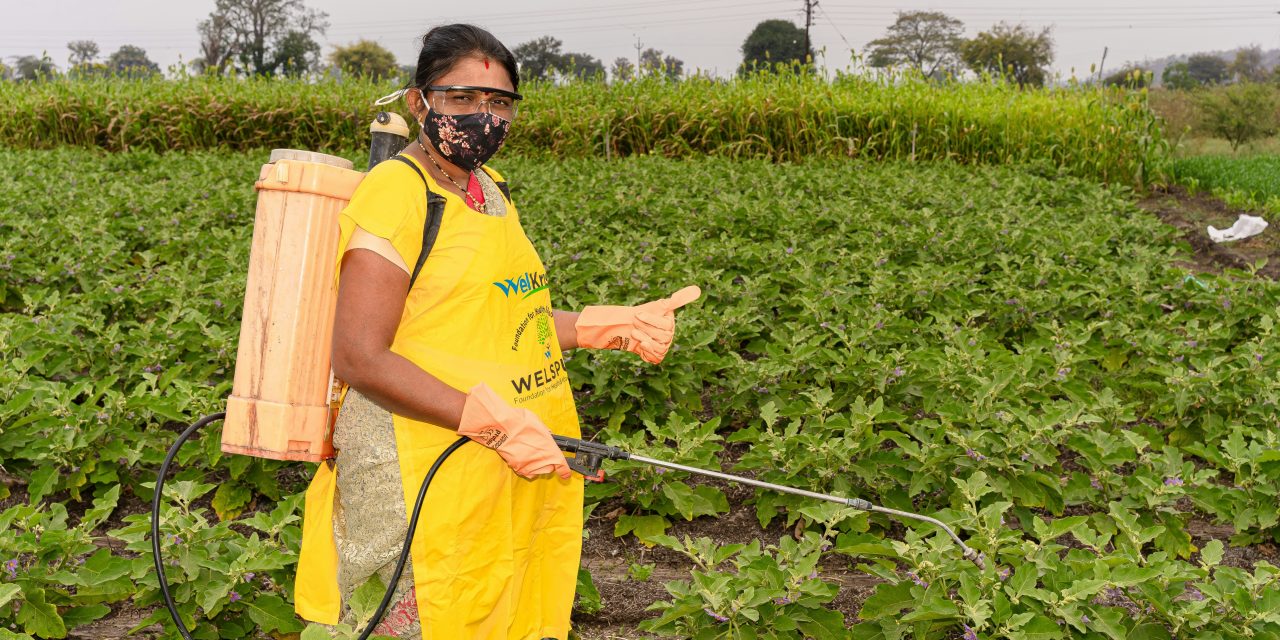
Organic pest repellents and sprays offer another viable solution for eco-friendly pest control. These products are derived from natural ingredients and are designed to deter pests without causing harm to humans or the environment. Common organic repellents include neem oil, garlic spray, and essential oils such as peppermint and eucalyptus.
Neem oil, extracted from the seeds of the neem tree, possesses insecticidal properties that disrupt the life cycle of various pests. It acts as a repellent and can also inhibit feeding behavior in insects. Garlic spray, on the other hand, emits a strong odor that many pests find unappealing. Essential oils can be diluted with water and sprayed around areas prone to infestations, providing a natural barrier against unwanted visitors.
When using organic repellents, it is crucial to follow application guidelines carefully to ensure effectiveness. Regular reapplication may be necessary, especially after rainfall or heavy watering. By incorporating organic pest repellents into their pest management strategies, individuals can protect their homes while minimizing environmental impact.
Method III: Diatomaceous Earth for Safe Pest Elimination
Diatomaceous earth (DE) is a naturally occurring sedimentary rock that has gained popularity as an eco-friendly pest control method. Composed primarily of fossilized diatoms, DE is non-toxic to humans and pets but lethal to many pests due to its abrasive properties. When insects come into contact with diatomaceous earth, it damages their exoskeletons, leading to dehydration and eventual death.
To utilize diatomaceous earth effectively, it should be applied in areas where pests are likely to travel, such as along baseboards, entry points, and garden beds. It is essential to use food-grade diatomaceous earth for safety purposes. Regular reapplication may be necessary after heavy rain or cleaning activities to maintain its effectiveness.
Diatomaceous earth not only targets common household pests like ants and cockroaches but also works against garden pests such as slugs and beetles. Its versatility makes it an invaluable tool in the arsenal of eco-friendly pest control methods.
Method IV: Companion Planting to Deter Pests
Companion planting is an age-old agricultural practice that involves growing different plants in proximity for mutual benefit. This method can be particularly effective in deterring pests naturally while promoting plant health. Certain plants possess properties that repel specific pests or attract beneficial insects that prey on them.
For example, marigolds are known for their ability to repel nematodes and aphids when planted alongside vegetables like tomatoes and peppers. Similarly, basil planted near tomatoes can deter whiteflies and enhance the flavor of the tomatoes themselves. By strategically pairing plants with complementary characteristics, gardeners can create a natural pest deterrent system that reduces reliance on chemical interventions.
Implementing companion planting requires careful planning and knowledge of plant interactions. Gardeners should research compatible plant pairings and consider factors such as growth habits and nutrient requirements. By fostering a diverse garden ecosystem through companion planting, individuals can enhance their pest management efforts while promoting overall plant health.
Method V: Homemade Herbal Pest Deterrents
Creating homemade herbal pest deterrents is an accessible and cost-effective approach to eco-friendly pest control. Many common herbs possess natural insect-repelling properties that can be harnessed to create effective deterrents. Ingredients such as rosemary, mint, and thyme can be combined with water or oil to produce sprays that repel various pests.
For instance, a simple mint spray can be made by steeping fresh mint leaves in boiling water, allowing it to cool, and then straining the mixture before transferring it into a spray bottle. This solution can be applied around entry points or areas prone to infestations. Similarly, rosemary-infused oil can be used as a natural repellent against mosquitoes and other flying insects.
Homemade herbal deterrents offer the advantage of being free from synthetic chemicals while providing effective protection against pests. Regular application may be necessary for optimal results, especially during peak pest seasons.
Method VI: Physical Barriers and Traps
Physical barriers and traps serve as practical solutions for preventing pest infestations without resorting to chemicals. These methods involve creating obstacles that deter pests from accessing specific areas or utilizing traps to capture them effectively. Common physical barriers include mesh screens, row covers, and sticky traps.
Mesh screens can be installed on windows and doors to prevent flying insects from entering homes while allowing fresh air circulation. Row covers protect garden plants from insect damage while still permitting sunlight and moisture penetration. Sticky traps can be strategically placed in areas where pests are likely to congregate, capturing them without the use of toxic substances.
Implementing physical barriers requires careful consideration of potential entry points and vulnerable areas within homes or gardens. Regular inspection and maintenance of these barriers are essential to ensure their effectiveness over time.
Method VII: Maintaining a Clean and Clutter-Free Home
A clean and clutter-free environment is one of the most effective preventive measures against pest infestations. Pests are often attracted to food sources, shelter, and breeding grounds found in untidy spaces. By maintaining cleanliness and organization within homes, individuals can significantly reduce the likelihood of attracting unwanted visitors.
Regular cleaning routines should include vacuuming floors, wiping down surfaces, and promptly addressing spills or crumbs that may attract pests. Additionally, decluttering spaces by removing unnecessary items can eliminate potential hiding spots for insects or rodents. Proper storage of food in airtight containers further minimizes access for pests.
By prioritizing cleanliness and organization, homeowners create an inhospitable environment for pests while promoting overall hygiene within their living spaces.
Method VIII: Proper Waste Management to Reduce Pest Attraction
Effective waste management plays a crucial role in preventing pest infestations. Improper disposal of waste can create attractive breeding grounds for various pests, including rodents and insects. Implementing proper waste management practices is essential for minimizing these risks.
Households should ensure that garbage bins are tightly sealed and emptied regularly to prevent odors that attract pests. Composting organic waste should be done with care; compost bins should be maintained properly to avoid attracting unwanted visitors. Additionally, recycling programs should be adhered to diligently to minimize clutter and waste accumulation.
By adopting responsible waste management practices, individuals can significantly reduce the likelihood of attracting pests while contributing positively to environmental sustainability.
Combining Methods for Effective and Sustainable Pest Control
In conclusion, eco-friendly pest control offers a comprehensive approach to managing pest populations while prioritizing human health and environmental sustainability. By integrating various methods such as natural predators, organic repellents, diatomaceous earth, companion planting, homemade deterrents, physical barriers, cleanliness, and proper waste management, individuals can create a robust pest management strategy tailored to their specific needs.
The combination of these methods not only enhances effectiveness but also fosters a balanced ecosystem where beneficial organisms thrive alongside cultivated plants. As awareness continues to grow regarding the importance of sustainable practices in pest management, embracing eco-friendly alternatives becomes imperative for safeguarding both our health and the environment.
By adopting these strategies collectively rather than relying solely on chemical interventions, individuals can contribute significantly to creating healthier living spaces while promoting biodiversity within their communities.
In summary:
– Eco-friendly pest control emphasizes sustainable practices.
– Importance lies in protecting human health and biodiversity.
– Methods include natural predators, organic repellents, diatomaceous earth, companion planting, homemade deterrents, physical barriers, cleanliness, and waste management.
– Combining these strategies fosters effective pest management while promoting environmental sustainability.
FAQs
What is eco-friendly pest control?
Eco-friendly pest control refers to methods of managing pests that minimize harm to the environment, human health, and non-target organisms. This approach often utilizes natural substances, biological control agents, and sustainable practices to manage pest populations effectively without relying on synthetic chemicals.
What are some common methods used in eco-friendly pest control?
Common methods include the use of natural pesticides derived from plants, introducing beneficial insects that prey on pests, employing traps, and implementing cultural practices such as crop rotation and companion planting. These methods aim to disrupt pest life cycles and reduce their populations sustainably.
Are eco-friendly pest control methods effective?
Yes, eco-friendly pest control methods can be effective when applied correctly. While they may require more time and effort compared to conventional methods, they can successfully manage pest populations while promoting a healthier ecosystem and reducing chemical exposure.
How can homeowners implement eco-friendly pest control?
Homeowners can implement eco-friendly pest control by maintaining a clean environment, sealing entry points to prevent pest access, using natural repellents, and encouraging beneficial insects in their gardens. Additionally, they can educate themselves about local pest species and their natural predators to create a balanced ecosystem.
Are eco-friendly pest control products safe for pets and children?
Generally, eco-friendly pest control products are safer for pets and children compared to conventional pesticides, as they often contain natural ingredients. However, it is still important to read labels and follow application instructions to ensure safety and minimize any potential risks.