Household pests are a pervasive issue that can disrupt the comfort and safety of our living environments. These unwelcome guests can range from insects like ants and cockroaches to rodents such as mice and rats, each presenting unique challenges for homeowners. The presence of these pests not only poses health risks but can also lead to significant structural damage if left unchecked. Understanding the nature of these pests, their behaviors, and effective management strategies is crucial for maintaining a pest-free home.
The economic impact of pest infestations is substantial, with billions of dollars spent annually on pest control services and damage repairs. For instance, termites alone are responsible for approximately $5 billion in property damage each year in the United States. This article aims to provide comprehensive insights into identifying, preventing, and eradicating common household pests, ensuring that homeowners are equipped with the knowledge necessary to protect their homes effectively.
Identifying Ant Infestations and Quick Removal Tips
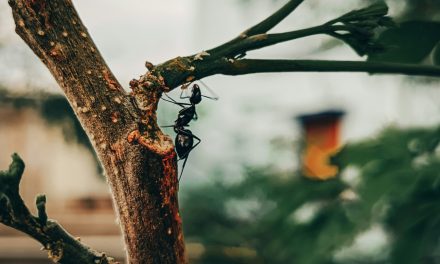
Ants are among the most common household pests, often invading kitchens and pantries in search of food. Identifying an ant infestation typically involves observing trails of ants leading to food sources or nesting sites. Common species include the odorous house ant, carpenter ant, and pavement ant, each requiring specific identification methods for effective control. The odorous house ant emits a distinct smell when crushed, while carpenter ants can cause structural damage by hollowing out wood for nesting.
To quickly remove ants from your home, several strategies can be employed. First, eliminate food sources by keeping surfaces clean and storing food in airtight containers. Second, use a mixture of vinegar and water to wipe down surfaces where ants have been spotted; this disrupts their pheromone trails. Additionally, commercial ant baits containing slow-acting insecticides can be strategically placed near ant trails to effectively eliminate entire colonies. Regular monitoring and maintenance are essential to prevent future infestations.
Dealing with Cockroaches: Prevention and Eradication

Cockroaches are notorious for their resilience and ability to thrive in various environments, making them a challenging pest to manage. Common species include the German cockroach, American cockroach, and Oriental cockroach. Identifying a cockroach infestation often involves spotting droppings, egg cases, or the insects themselves, particularly in warm, dark areas such as kitchens and bathrooms.
Preventing cockroach infestations begins with maintaining cleanliness in the home. Regularly vacuuming and wiping down surfaces can help eliminate food particles that attract these pests. Sealing cracks and crevices around windows, doors, and plumbing can also deter entry points. For eradication, a combination of bait traps and insect growth regulators (IGRs) can be effective. Bait traps lure cockroaches to consume poison, while IGRs disrupt their reproductive cycle, ultimately reducing their population over time.
How to Get Rid of Termites Before They Damage Your Home

Termites are often referred to as “silent destroyers” due to their ability to cause extensive damage before detection. These wood-destroying insects primarily feed on cellulose found in wood products, leading to structural compromise if infestations are not addressed promptly. Identifying termite activity may involve noticing mud tubes along foundation walls or hollow-sounding wood.
To effectively eliminate termites before they inflict significant damage, homeowners should consider both preventative measures and treatment options. Preventative strategies include reducing moisture around the foundation, ensuring proper drainage, and storing firewood away from the home. For existing infestations, professional pest control services often employ liquid termiticides or baiting systems that target the colony at its source. These treatments can provide long-lasting protection against future infestations.
Tackling Bed Bugs: Signs and Swift Solutions
Bed bugs have become increasingly prevalent in recent years, causing distress for many households. These nocturnal pests feed on human blood and are often found in bedding, mattresses, and upholstered furniture. Signs of a bed bug infestation include itchy bites on the skin, blood stains on sheets, and the presence of small brownish spots (fecal matter) on bedding.
Swift action is crucial when dealing with bed bugs to prevent their spread. Washing bedding and clothing in hot water followed by drying on high heat can kill bed bugs at all life stages. Vacuuming infested areas thoroughly and using encasements on mattresses can also help contain the problem. In severe cases, professional extermination may be necessary, utilizing heat treatments or chemical insecticides specifically designed for bed bug eradication.
Managing Rodents: Effective Mouse and Rat Control
Rodents such as mice and rats pose significant health risks due to their potential to transmit diseases through droppings and urine. Identifying rodent infestations typically involves spotting droppings, gnaw marks on food packaging or furniture, and nests made from shredded materials. Mice tend to be more common in homes due to their small size and ability to squeeze through tiny openings.
Effective rodent control begins with prevention strategies such as sealing entry points around doors, windows, and utility lines. Keeping food stored securely in rodent-proof containers is essential for minimizing attractants. For eradication, snap traps or electronic traps can be employed for immediate results. Additionally, rodenticides may be used cautiously in areas inaccessible to pets or children; however, professional pest control services are often recommended for comprehensive management.
Eliminating Spiders: Safe and Fast Methods
Spiders are generally beneficial as they help control insect populations; however, certain species can pose health risks through venomous bites. Identifying spider infestations involves spotting webs or the spiders themselves in corners or hidden areas of the home. Common household spiders include the common house spider and the black widow spider.
To eliminate spiders safely and effectively, homeowners should focus on reducing clutter where spiders may hide and sealing cracks around windows and doors to prevent entry. Regularly vacuuming webs and spiders can also help manage populations. Natural deterrents such as essential oils (e.g., peppermint or tea tree oil) can be sprayed in areas where spiders are commonly found to repel them without harmful chemicals.
Controlling Fleas in Your Home and on Pets
Fleas are external parasites that primarily affect pets but can also infest homes if left unchecked. Identifying flea infestations involves noticing excessive scratching in pets or finding flea dirt (small black specks) on their fur or bedding. Fleas can reproduce rapidly; thus, prompt action is essential.
To control fleas effectively, it is crucial to treat both pets and the environment simultaneously. Veterinary-approved topical treatments or oral medications can eliminate fleas on pets quickly. For home treatment, thorough vacuuming of carpets and upholstery is necessary, followed by washing pet bedding in hot water. Additionally, using flea sprays or foggers designed for indoor use can help eradicate fleas from living spaces.
Getting Rid of Silverfish: Tips for a Pest-Free Environment
Silverfish are small, wingless insects known for their destructive feeding habits on paper products, clothing, and stored food items. Identifying silverfish infestations typically involves spotting these nocturnal pests in dark areas such as basements or attics.
To eliminate silverfish effectively, homeowners should focus on reducing humidity levels within the home since these pests thrive in moist environments. Using dehumidifiers or ensuring proper ventilation can significantly deter silverfish activity. Additionally, sealing cracks and crevices where silverfish may enter is crucial for prevention. Commercial insecticides specifically formulated for silverfish can also be applied in infested areas for effective eradication.
Handling Wasps and Bees: Safety and Removal Strategies
Wasps and bees play vital roles in pollination; however, their presence near homes can pose risks due to aggressive behavior when threatened. Identifying nests is essential for safe removal; wasp nests are typically found under eaves or in trees while bee hives may be located in hollow trees or wall cavities.
When dealing with wasps or bees, safety should be the top priority. It is advisable to wear protective clothing when approaching nests and to perform removal during dusk or dawn when these insects are less active. For wasp removal, commercial sprays designed for long-range application can be effective; however, professional pest control services are recommended for bee removal due to their ecological importance.
Preventative Measures to Keep Household Pests Away for Good
Preventing household pests requires a proactive approach that encompasses cleanliness, maintenance, and awareness of potential entry points. Regularly inspecting your home for signs of pests is crucial; early detection often leads to easier management.
Implementing preventative measures includes sealing cracks around windows and doors with caulk or weather stripping, maintaining a clean kitchen free from food debris, and ensuring proper waste disposal practices. Additionally, landscaping practices such as trimming shrubs away from the foundation can deter pests from entering your home.
In conclusion, understanding common household pests is essential for effective management and prevention strategies. By identifying infestations early and employing appropriate treatment methods—ranging from cleanliness practices to professional pest control services—homeowners can maintain a safe and comfortable living environment free from unwanted guests.
FAQs
What are some common household pests?
Common household pests include ants, cockroaches, termites, bed bugs, and rodents such as mice and rats. These pests can invade homes in search of food, shelter, and warmth.
How can I prevent pests from entering my home?
To prevent pests, seal cracks and gaps in walls, windows, and doors, keep food stored in airtight containers, maintain cleanliness by regularly cleaning surfaces, and eliminate standing water to reduce moisture levels.
What are the signs of a pest infestation?
Signs of a pest infestation may include droppings, gnaw marks, nests, unusual sounds (like scratching), and visible pests themselves. Additionally, you may notice damage to food packaging or furniture.
Are household pests harmful to health?
Yes, many household pests can pose health risks. For example, cockroaches can trigger asthma and allergies, while rodents can carry diseases. Bed bugs can cause skin irritations and allergic reactions.
When should I call a pest control professional?
You should call a pest control professional if you notice a significant infestation, if DIY methods are ineffective, or if you are unsure about the type of pest and how to handle it safely.