Natural pest control is an environmentally friendly approach to managing unwanted insects and pests in gardens and agricultural settings. This method emphasizes the use of non-toxic solutions that minimize harm to beneficial organisms, humans, and the ecosystem. As awareness of the adverse effects of synthetic pesticides grows, gardeners and farmers are increasingly turning to natural alternatives. These methods not only protect crops but also promote biodiversity and sustainability.
The philosophy behind natural pest control is rooted in understanding the complex interactions within ecosystems. By fostering a balanced environment, gardeners can create conditions that deter harmful pests while encouraging beneficial species. This article will explore various strategies for natural pest management, providing insights into effective techniques that can be employed in both home gardens and larger agricultural operations.
Understanding Common Garden Pests
To effectively manage pests, it is crucial to identify the common culprits that threaten plant health. Among the most prevalent garden pests are aphids, spider mites, whiteflies, and caterpillars. Aphids, small sap-sucking insects, can reproduce rapidly and cause significant damage by weakening plants and transmitting diseases. Spider mites, on the other hand, thrive in dry conditions and can lead to stippling on leaves, ultimately resulting in plant decline.
Caterpillars, the larval stage of moths and butterflies, can also wreak havoc on crops. They often feed voraciously on foliage, leading to defoliation and reduced yields. Understanding the life cycles and behaviors of these pests is essential for implementing effective control measures. By recognizing the signs of infestation early, gardeners can take proactive steps to mitigate damage before it escalates.
Encouraging Beneficial Insects

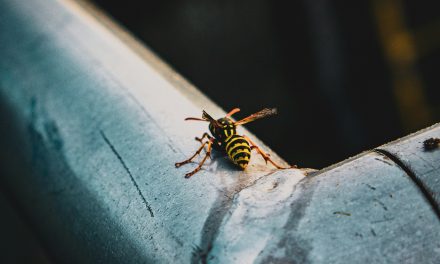
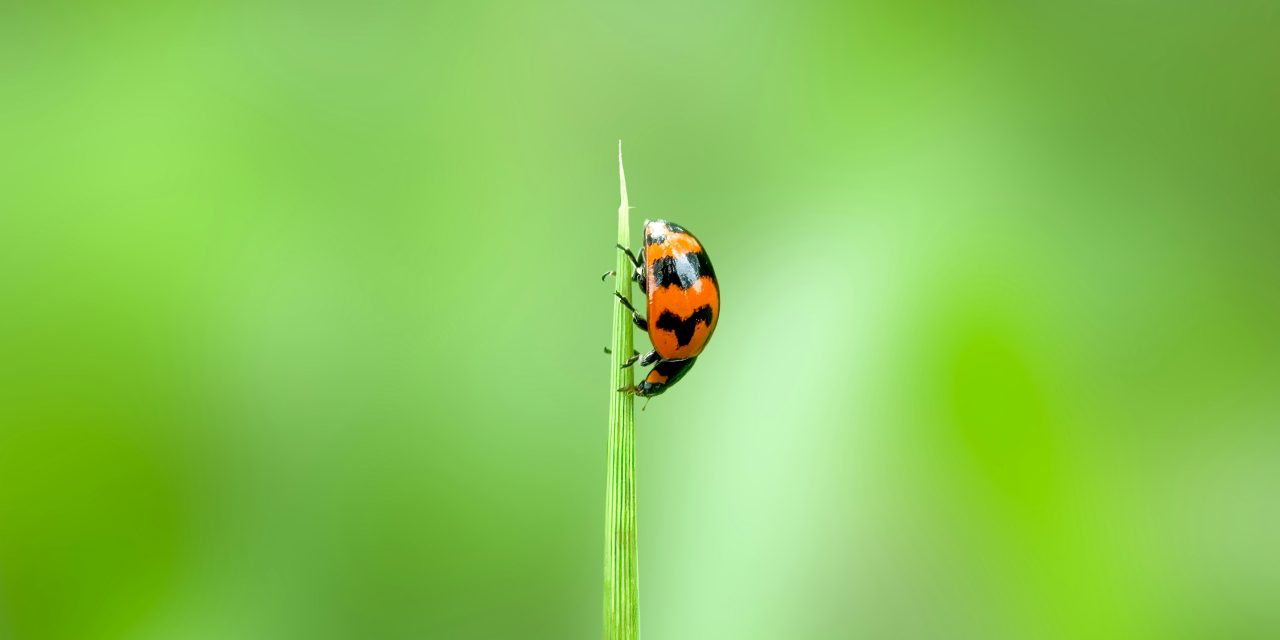
One of the most effective strategies for natural pest control is to encourage beneficial insects that prey on harmful pests. Ladybugs, lacewings, and parasitic wasps are examples of natural predators that can help maintain pest populations at manageable levels. Ladybugs are particularly effective against aphids, consuming hundreds of them daily during their larval stage.
Creating a habitat that attracts these beneficial insects involves planting a diverse array of flowering plants that provide nectar and pollen. Additionally, incorporating native plants into the garden can enhance biodiversity and support local ecosystems. By fostering a welcoming environment for beneficial insects, gardeners can harness nature’s own pest control mechanisms.
Using Neem Oil as a Natural Pesticide

Neem oil, derived from the seeds of the neem tree (Azadirachta indica), is a powerful natural pesticide with a wide range of applications in pest management. Its active compounds, such as azadirachtin, disrupt the life cycle of pests by inhibiting feeding and reproduction. Neem oil is effective against various insects, including aphids, whiteflies, and spider mites.
To use neem oil effectively, it is essential to dilute it with water according to the manufacturer’s instructions. Spraying the solution on affected plants during the early morning or late afternoon minimizes the risk of leaf burn due to sunlight exposure. Regular applications may be necessary to achieve optimal results, especially during peak pest seasons. Neem oil is not only effective but also biodegradable, making it a safe choice for organic gardening.
Companion Planting for Pest Prevention
Companion planting is a time-honored technique that involves growing specific plants together to enhance growth and deter pests. Certain plants can repel harmful insects or attract beneficial ones when planted in proximity to crops. For example, marigolds are known to repel nematodes and aphids, while basil can deter flies and mosquitoes.
Incorporating companion plants into garden layouts requires careful planning and consideration of plant compatibility. By strategically placing companion plants throughout the garden, gardeners can create a natural barrier against pests while promoting healthy plant growth. This method not only enhances pest control but also contributes to overall garden aesthetics.
Homemade Garlic and Chili Sprays
Homemade garlic and chili sprays are effective natural remedies for deterring pests without resorting to chemical pesticides. Garlic contains allicin, a compound known for its insect-repelling properties, while chili peppers contain capsaicin, which can irritate pests upon contact. Together, these ingredients create a potent spray that can be easily made at home.
To prepare a garlic and chili spray, blend several cloves of garlic with a few chili peppers in water and strain the mixture. Diluting this concentrated solution with additional water before application ensures it is safe for plants while still effective against pests. Spraying this mixture on affected plants every few days can help keep pest populations in check while providing an organic solution to pest problems.
Applying Diatomaceous Earth Safely
Diatomaceous earth (DE) is a natural powder made from the fossilized remains of tiny aquatic organisms called diatoms. This substance works by dehydrating insects upon contact, making it an effective tool for controlling soft-bodied pests like aphids and slugs. When applying diatomaceous earth, it is crucial to use food-grade DE to ensure safety for humans and pets.
To apply DE effectively, sprinkle a thin layer around the base of plants or directly onto affected foliage during dry weather conditions. It is essential to reapply after rainfall or watering since moisture diminishes its effectiveness. While DE is a powerful tool for pest control, it is important to avoid inhaling the powder during application as it can irritate respiratory passages.
Introducing Nematodes to Combat Soil Pests
Beneficial nematodes are microscopic roundworms that can be introduced into garden soil to combat soil-dwelling pests such as grubs and root weevils. These nematodes seek out and infect harmful insects, ultimately leading to their demise while leaving beneficial organisms unharmed. This biological control method offers an effective solution for managing soil pests without resorting to chemical treatments.
When introducing nematodes into the garden, it is essential to choose species that target specific pests present in the soil. Nematodes should be applied during cooler parts of the day when soil moisture levels are adequate for their survival. Regular monitoring of pest populations will help determine the effectiveness of this method and guide future applications.
Maintaining Healthy Soil to Deter Pests
Healthy soil is fundamental to successful pest management as it supports robust plant growth and resilience against infestations. Implementing practices such as crop rotation, cover cropping, and organic amendments can enhance soil health by improving nutrient availability and microbial activity. Healthy plants are better equipped to withstand pest pressures and recover from damage.
Incorporating compost into garden beds enriches soil structure and fertility while promoting beneficial microorganisms that contribute to plant health. Additionally, mulching helps retain moisture and suppress weeds that may harbor pests. By prioritizing soil health through sustainable practices, gardeners can create an environment less conducive to pest infestations.
Utilizing Physical Barriers and Traps
Physical barriers and traps serve as effective tools for preventing pest access to plants while minimizing chemical interventions. Row covers made from lightweight fabric can protect seedlings from insect damage while allowing sunlight and moisture to penetrate. Similarly, sticky traps can capture flying insects such as whiteflies and fungus gnats.
When using physical barriers, it is important to ensure they are properly secured to prevent pests from entering through gaps or openings. Regular inspection of traps allows for timely removal of captured pests and helps gauge infestation levels in the garden. By employing these methods alongside other natural pest control strategies, gardeners can create a comprehensive approach to managing pest populations.
Regular Monitoring and Early Intervention Strategies
Regular monitoring of gardens is essential for identifying pest problems before they escalate into significant issues. Gardeners should conduct routine inspections of plants for signs of infestation such as discolored leaves or visible insects. Early detection allows for prompt intervention using natural control methods before pests cause extensive damage.
Implementing an integrated pest management (IPM) approach combines monitoring with various control strategies tailored to specific pest challenges. This proactive stance not only minimizes reliance on chemical pesticides but also fosters a healthier ecosystem within the garden. By remaining vigilant and responsive to changes in pest populations, gardeners can maintain healthy plants while effectively managing pest pressures.
In summary, natural pest control offers a sustainable alternative to traditional chemical methods by utilizing environmentally friendly strategies that promote biodiversity and ecosystem health. By understanding common garden pests, encouraging beneficial insects, employing natural pesticides like neem oil, practicing companion planting, creating homemade sprays, applying diatomaceous earth safely, introducing nematodes, maintaining healthy soil, utilizing physical barriers and traps, and implementing regular monitoring practices, gardeners can effectively manage pest populations while safeguarding their crops and promoting ecological balance.
FAQs
What are natural pest control methods?
Natural pest control methods refer to techniques and strategies used to manage pest populations without the use of synthetic chemicals. These methods often involve the use of biological agents, cultural practices, and physical barriers to deter or eliminate pests while minimizing harm to the environment and non-target organisms.
How effective are natural pest control methods compared to chemical pesticides?
Natural pest control methods can be effective, but their success often depends on the specific pest and the environment. While chemical pesticides may provide quicker results, natural methods can lead to sustainable pest management by promoting ecological balance and reducing the risk of pesticide resistance.
What are some examples of natural pest control methods?
Examples of natural pest control methods include introducing beneficial insects like ladybugs and lacewings, using neem oil or diatomaceous earth as repellents, implementing crop rotation and companion planting, and employing physical barriers such as row covers or traps to protect plants from pests.
Are natural pest control methods safe for humans and pets?
Generally, natural pest control methods are considered safer for humans and pets compared to synthetic pesticides. However, it is still important to use these methods responsibly and follow guidelines, as some natural substances can be harmful in certain concentrations or if misapplied.
Can natural pest control methods be used in organic farming?
Yes, natural pest control methods are commonly used in organic farming. Organic farming practices emphasize the use of natural inputs and methods to manage pests, diseases, and weeds, aligning with the principles of sustainability and environmental stewardship.