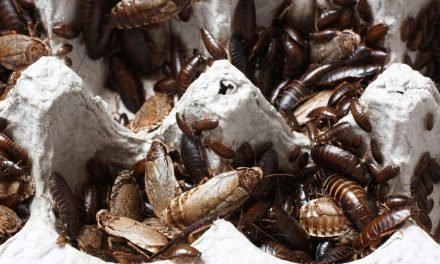
Garden pests are a significant concern for horticulturists and home gardeners alike, as they can severely impact plant health and yield. These pests can be categorized into several groups, including insects, arachnids, and nematodes. Common examples include aphids, spider mites, whiteflies, and root-knot nematodes. Each of these pests has unique feeding habits and life cycles that can lead to varying degrees of damage to plants. For instance, aphids feed on plant sap, weakening the plant and potentially transmitting viruses, while spider mites create fine webs that can suffocate foliage.
Understanding the biology and behavior of these pests is crucial for effective management. Many pests reproduce rapidly, with some species capable of producing multiple generations within a single growing season. This rapid reproduction can lead to infestations that overwhelm plants in a short period. Additionally, certain pests are more prevalent during specific seasons or under particular environmental conditions, making it essential for gardeners to stay informed about their local pest populations.
Regular Inspection and Early Detection
Regular inspection of plants is vital for early detection of pest infestations. Gardeners should conduct thorough checks at least once a week, focusing on the undersides of leaves, stems, and soil surfaces where pests often hide. Early detection allows for timely intervention, which can prevent minor infestations from escalating into severe problems. Utilizing a magnifying glass can aid in spotting small pests that may otherwise go unnoticed.
In addition to visual inspections, gardeners should also be aware of the signs of pest damage. Wilting leaves, discolored foliage, and stunted growth can all indicate the presence of pests. Keeping a garden journal to document observations can help track pest populations over time and identify patterns that may inform future management strategies.
Encouraging Beneficial Insects

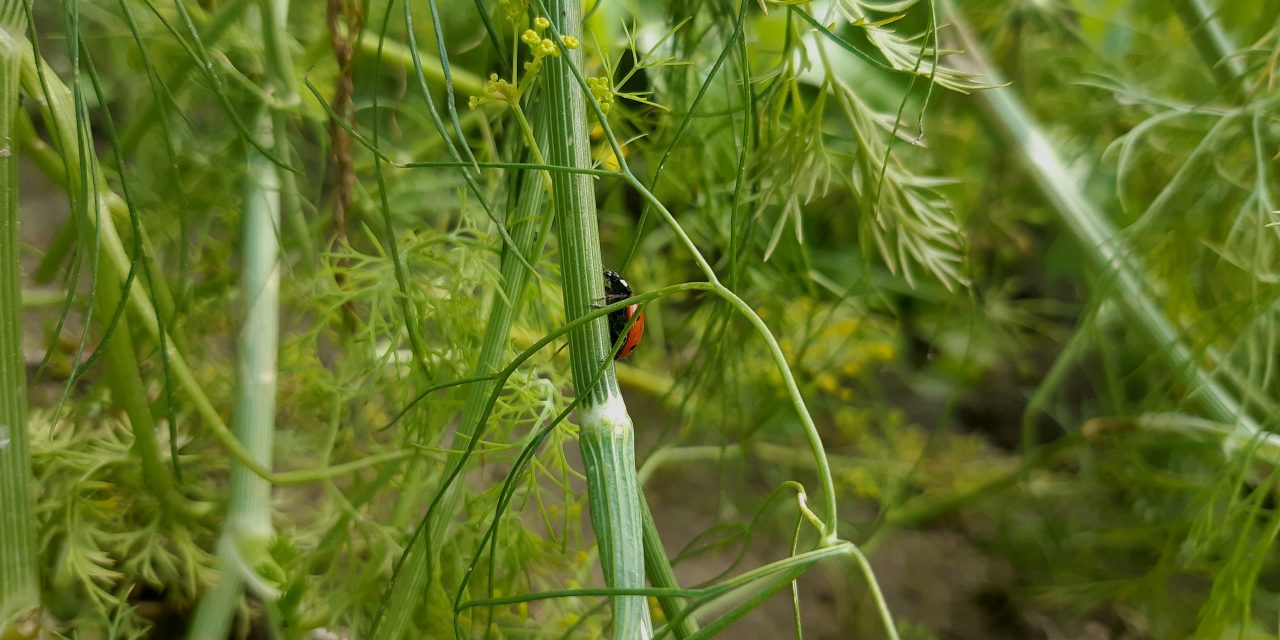
One of the most effective strategies for managing garden pests is to encourage beneficial insects that prey on harmful species. Ladybugs, lacewings, and parasitic wasps are examples of beneficial insects that can help control pest populations naturally. These insects not only feed on pests but also contribute to the overall health of the garden ecosystem.
To attract beneficial insects, gardeners can plant a diverse array of flowering plants that provide nectar and pollen. Species such as dill, fennel, and yarrow are particularly effective at drawing in these helpful predators. Additionally, creating habitats such as insect hotels or leaving areas of the garden undisturbed can provide shelter for beneficial insects, promoting their presence in the garden.
Using Natural and Organic Pest Repellents

Natural and organic pest repellents offer an eco-friendly alternative to synthetic pesticides. Many gardeners have found success using substances such as neem oil, diatomaceous earth, and insecticidal soap to deter pests without harming beneficial organisms. Neem oil, derived from the seeds of the neem tree, disrupts the life cycle of pests by interfering with their hormonal systems, making it an effective treatment against a variety of insects.
Diatomaceous earth is another popular option; it consists of fossilized algae that damage the exoskeletons of insects upon contact, leading to dehydration and death. Insecticidal soap works by suffocating soft-bodied pests like aphids and spider mites. When using these natural repellents, it is essential to follow application guidelines carefully to ensure effectiveness while minimizing harm to non-target organisms.
Proper Watering Techniques to Deter Pests
Watering practices play a crucial role in pest management. Overwatering can create a damp environment conducive to fungal diseases and attract pests such as gnats and slugs. Conversely, underwatering can stress plants, making them more susceptible to infestations. Implementing proper watering techniques is essential for maintaining plant health and deterring pests.
Drip irrigation systems or soaker hoses are effective methods for delivering water directly to the root zone while minimizing moisture on foliage. This approach reduces the likelihood of fungal infections and discourages pests that thrive in wet conditions. Additionally, watering early in the morning allows plants to absorb moisture before temperatures rise, further promoting healthy growth.
Crop Rotation and Companion Planting Strategies
Crop rotation is a fundamental practice in sustainable gardening that involves changing the location of specific crops each growing season. This strategy disrupts pest life cycles by preventing them from establishing themselves in one area over time. For example, rotating crops from the nightshade family (such as tomatoes and peppers) with legumes (like beans) can help reduce populations of soil-borne pests and diseases.
Companion planting is another effective strategy that involves planting different species in proximity for mutual benefit. Certain plants can repel pests or attract beneficial insects when grown together. For instance, marigolds are known to deter nematodes and aphids when planted alongside vegetables. By strategically selecting companion plants, gardeners can create a more resilient ecosystem that naturally mitigates pest pressures.
Maintaining Healthy Soil for Strong Plants
Healthy soil is the foundation of a thriving garden and plays a critical role in pest management. Soil rich in organic matter supports robust plant growth and enhances resistance to pests and diseases. Incorporating compost or well-rotted manure into the soil improves its structure, fertility, and microbial activity.
Regular soil testing can help gardeners understand nutrient levels and pH balance, allowing for targeted amendments that promote optimal plant health. Additionally, practicing no-till gardening preserves soil structure and prevents disruption of beneficial organisms that contribute to soil health. Strong plants are better equipped to withstand pest pressures and recover from damage.
Removing Weeds and Debris Promptly
Weeds compete with garden plants for nutrients, water, and light while also providing shelter for pests. Prompt removal of weeds is essential for maintaining a healthy garden environment. Regularly inspecting garden beds for unwanted vegetation and employing mulching techniques can suppress weed growth while conserving moisture in the soil.
Debris such as fallen leaves or dead plant material can harbor pests and diseases if left unattended. Cleaning up these materials promptly reduces potential breeding grounds for harmful organisms. Composting healthy plant material can recycle nutrients back into the garden while ensuring that diseased or infested debris is disposed of properly.
Implementing Physical Barriers and Traps
Physical barriers are an effective means of preventing pest access to plants without resorting to chemical treatments. Row covers made from lightweight fabric can protect seedlings from insect damage while allowing sunlight and moisture to penetrate. Similarly, netting can safeguard fruit-bearing plants from birds and larger pests.
Traps can also be employed to monitor and control pest populations. Sticky traps are useful for capturing flying insects like whiteflies or fungus gnats, while pheromone traps can lure specific pests based on their mating behaviors. Regularly checking traps provides valuable information about pest activity levels in the garden.
Avoiding Overuse of Chemical Pesticides
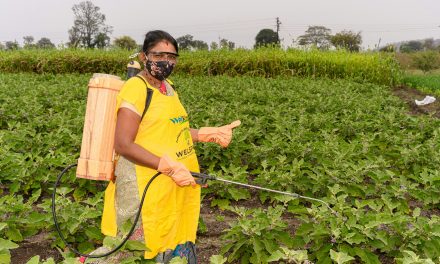
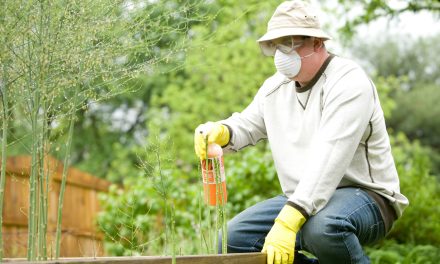
While chemical pesticides may offer immediate relief from pest infestations, their overuse can lead to detrimental effects on beneficial insect populations and overall ecosystem health. Additionally, reliance on synthetic chemicals can result in pesticide resistance among pest populations, making future control efforts more challenging.
Gardeners should prioritize integrated pest management (IPM) strategies that combine various control methods rather than relying solely on chemical solutions. By using targeted applications only when necessary and opting for less harmful alternatives when possible, gardeners can maintain a balanced ecosystem while effectively managing pest populations.
Monitoring and Adjusting Pest Control Methods Regularly
Pest management is not a one-time effort but rather an ongoing process that requires regular monitoring and adjustment of strategies based on observed conditions. Gardeners should keep detailed records of pest populations, treatment applications, and environmental factors influencing pest activity.
By analyzing this data over time, gardeners can identify trends that inform future management decisions. Flexibility in adapting strategies based on changing conditions—such as weather patterns or new pest arrivals—ensures that pest control efforts remain effective throughout the growing season.
In summary, managing garden pests requires a multifaceted approach that includes understanding common pests, conducting regular inspections for early detection, encouraging beneficial insects, utilizing natural repellents, implementing proper watering techniques, practicing crop rotation and companion planting, maintaining healthy soil, promptly removing weeds and debris, using physical barriers and traps judiciously, avoiding over-reliance on chemical pesticides, and continuously monitoring control methods for effectiveness. By adopting these strategies holistically, gardeners can cultivate thriving gardens while minimizing pest-related challenges effectively.
FAQs
What are common pests that affect gardens?
Common pests that affect gardens include aphids, slugs, snails, spider mites, whiteflies, and caterpillars. These pests can damage plants by feeding on leaves, stems, and roots, leading to reduced growth and yield.
What are some natural pest control methods for gardens?
Natural pest control methods include introducing beneficial insects like ladybugs and lacewings, using neem oil or insecticidal soap, planting companion plants that repel pests, and employing physical barriers such as row covers or nets to protect plants.
How can I prevent pests from entering my garden?
Preventing pests from entering your garden can be achieved by maintaining healthy soil, rotating crops, keeping the garden clean and free of debris, and using mulch to deter pests. Additionally, regular monitoring for early signs of pest activity can help in taking timely action.
Are chemical pesticides safe to use in gardens?
While chemical pesticides can be effective in controlling pests, they may pose risks to beneficial insects, pets, and human health if not used properly. It is essential to follow the manufacturer’s instructions and consider using organic or less toxic alternatives whenever possible.
When is the best time to apply pest control measures in the garden?
The best time to apply pest control measures is early in the morning or late in the afternoon when temperatures are cooler, and beneficial insects are less active. Regular monitoring throughout the growing season is also crucial to identify and address pest issues promptly.