Blood stains present a unique challenge in the realm of stain removal due to their complex composition. Human blood consists of various components, including red blood cells, plasma, and proteins such as hemoglobin. When blood comes into contact with fabric, these proteins can bind tightly to the fibers, making them particularly resilient against conventional cleaning methods. The presence of iron in hemoglobin contributes to the reddish-brown coloration that can become more pronounced over time, especially if the stain is not treated promptly.
Moreover, the pH level of blood is slightly alkaline, which can further complicate the removal process. When blood dries, it undergoes a chemical transformation that can lead to the formation of stubborn stains that resist water and standard detergents. Understanding these factors is crucial for effectively addressing blood stains and employing appropriate cleaning techniques that target the specific properties of blood.
If you’re dealing with stubborn blood stains on your clothes, you might find it helpful to explore various cleaning techniques and tips. For instance, understanding the benefits of professional cleaning services can provide insights into effective stain removal methods. You can read more about this in the article titled “Top 10 Benefits of Hiring Commercial Cleaning Services for Your Business” available at this link.
Act Fast: The Importance of Immediate Treatment
Timeliness is paramount when dealing with blood stains. The sooner a stain is treated, the higher the likelihood of complete removal. Blood begins to coagulate and dry quickly, which can lead to a more entrenched stain that becomes increasingly difficult to eliminate. Immediate action can prevent the stain from setting into the fabric, allowing for more effective treatment options.
In situations where blood is spilled, it is advisable to assess the extent of the stain and act without delay. Blotting the area gently with a clean cloth or paper towel can help absorb excess blood without spreading it further. This initial step is critical in minimizing the stain’s impact and preparing the fabric for subsequent cleaning methods.
Using Cold Water to Prevent Blood from Setting

Cold water is an essential ally in the battle against blood stains. The application of cold water serves to dilute the stain and prevent it from adhering more firmly to the fabric fibers. Warm or hot water should be avoided, as elevated temperatures can cause proteins in the blood to coagulate, effectively “setting” the stain and making it more challenging to remove.
To utilize cold water effectively, rinse the stained area under running cold water as soon as possible. This method helps to flush out as much of the blood as possible before any additional cleaning agents are applied. For larger stains, soaking the fabric in cold water for a period can also be beneficial, allowing for thorough penetration and loosening of the stain.
Applying Hydrogen Peroxide for Effective Stain Removal

Hydrogen peroxide is a powerful oxidizing agent that can be particularly effective in breaking down blood stains. When applied to a fresh stain, hydrogen peroxide reacts with the iron in hemoglobin, helping to lift the color from the fabric. It is important to use a 3% solution for this purpose, as higher concentrations may damage delicate fabrics.
To apply hydrogen peroxide, pour a small amount directly onto the stained area and allow it to bubble for several minutes. This bubbling action indicates that the peroxide is actively breaking down the stain. Afterward, blot the area with a clean cloth and rinse thoroughly with cold water. This method not only aids in stain removal but also has antiseptic properties that can help disinfect the area.
If you’ve ever faced the challenge of removing blood stains from clothes, you might find it helpful to explore various cleaning techniques. One effective method involves using cold water and soap to treat the stain promptly. For more tips on maintaining a clean and pest-free environment, you can check out this article on pest prevention products that can help keep your home in top shape while you tackle those stubborn stains.
Utilizing Baking Soda Paste as a Gentle Cleaner
Baking soda is renowned for its versatility and effectiveness as a gentle cleaning agent. When combined with water to create a paste, baking soda can serve as an excellent option for treating blood stains without risking damage to the fabric. Its mild abrasive properties help lift stains while neutralizing odors.
To create a baking soda paste, mix four tablespoons of baking soda with two tablespoons of cold water until a thick consistency is achieved. Apply this paste directly onto the blood-stained area and let it sit for approximately 30 minutes. Afterward, gently scrub with a soft-bristled brush or cloth before rinsing with cold water. This method not only targets the stain but also leaves fabrics fresh and clean.
Leveraging Salt and Cold Water for Fresh Stains
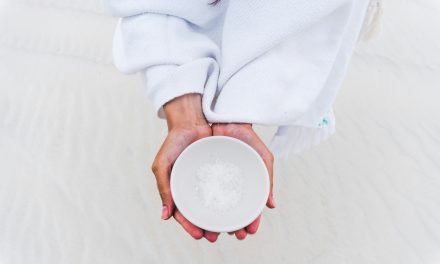
Salt is another household staple that can be utilized effectively in removing fresh blood stains. Its natural abrasive qualities help break down proteins while also acting as a desiccant that draws moisture away from the fabric. When combined with cold water, salt can create an effective cleaning solution.
To use salt for stain removal, dissolve one tablespoon of salt in two cups of cold water. Soak a clean cloth in this solution and gently dab at the stained area, working from the outside toward the center to avoid spreading the stain further. After blotting, rinse thoroughly with cold water to remove any residual salt and blood particles.
Employing Liquid Detergent for Thorough Cleaning
Liquid laundry detergents are formulated with surfactants that effectively break down various types of stains, including those caused by blood. These surfactants work by surrounding and lifting stain particles away from fabric fibers, making them easier to wash away during laundering.
For optimal results, apply a small amount of liquid detergent directly onto the blood-stained area and gently rub it into the fabric using your fingers or a soft brush. Allow it to sit for at least five minutes before rinsing with cold water. Following this treatment, launder the item as per its care instructions, ensuring that you use cold water settings to prevent any potential setting of residual stains.
Trying Ammonia Solution for Stubborn Blood Stains
For particularly stubborn blood stains that resist other cleaning methods, an ammonia solution may provide an effective alternative. Ammonia acts as a powerful solvent that can break down proteins and lift stains from fabric fibers. However, caution must be exercised when using ammonia, as it can produce harmful fumes and may damage certain fabrics.
To create an ammonia solution, mix one tablespoon of ammonia with two cups of cold water in a well-ventilated area. Apply this solution to the stained area using a clean cloth or sponge, taking care not to saturate the fabric excessively. After allowing it to sit for approximately 10 minutes, rinse thoroughly with cold water and launder as usual.
Using Enzyme-Based Stain Removers for Protein Stains
Enzyme-based stain removers are specifically designed to target protein-based stains like those caused by blood. These products contain enzymes that break down proteins into smaller components, making them easier to wash away during laundering. They are particularly effective on organic stains and can be found in various formulations at most grocery stores.
To use an enzyme-based stain remover, apply it directly onto the stained area according to package instructions. Allow it to penetrate for the recommended time before rinsing with cold water. Following this treatment, launder the item as per its care instructions for optimal results.
Avoiding Heat to Prevent Permanent Stain Setting
One critical aspect of treating blood stains is avoiding heat exposure during the cleaning process. Heat can cause proteins in blood to coagulate and bond more firmly with fabric fibers, leading to permanent staining that cannot be reversed through conventional cleaning methods.
When laundering items that have been treated for blood stains, always opt for cold water settings and avoid using high-heat drying cycles until you are certain that the stain has been completely removed. If any traces of staining remain after washing, refrain from drying the item until further treatment has been applied.
Tips for Maintaining Clothes After Blood Stain Removal
Once blood stains have been successfully removed from clothing items, proper maintenance is essential to prolong their lifespan and appearance. Regularly inspect garments for any signs of staining or wear and address issues promptly before they escalate.
Additionally, consider implementing preventive measures such as wearing protective clothing during activities prone to spills or injuries. For items frequently exposed to potential staining agents, consider applying fabric protectants that create a barrier against spills while maintaining breathability.
In conclusion, understanding how to effectively treat blood stains involves recognizing their unique properties and employing timely interventions using various cleaning agents such as cold water, hydrogen peroxide, baking soda paste, salt solutions, liquid detergents, ammonia solutions, and enzyme-based removers. By following these guidelines and maintaining vigilance in garment care, individuals can successfully manage blood stains while preserving their clothing’s integrity.
### FAQ Section
1. **What should I do if I can’t treat a blood stain immediately?**
– If immediate treatment isn’t possible, store the stained item in a cool place away from direct sunlight until you can address it later.
2. **Can I use hot water on blood stains?**
– No, hot water should be avoided as it can set protein-based stains like blood into fabric fibers.
3. **Is hydrogen peroxide safe on all fabrics?**
– Hydrogen peroxide is generally safe on white fabrics but may cause discoloration on colored or delicate fabrics; always test on an inconspicuous area first.
4. **How do I know if my enzyme-based stain remover will work?**
– Check product labels; enzyme-based removers are specifically formulated for protein stains like blood and should indicate effectiveness against such stains.
5. **What if my first attempt at removing a blood stain fails?**
– Repeat treatment using different methods or combinations of cleaning agents until successful; stubborn stains may require multiple attempts.
6. **Are there any fabrics I should avoid treating with ammonia?**
– Yes, avoid using ammonia on silk or wool fabrics as it may cause damage; always check care labels before application.
7. **Can I use bleach on blood stains?**
– Bleach should be avoided on colored fabrics as it can cause discoloration; however, it may be used cautiously on white fabrics after confirming that no residual color remains.
8. **How often should I inspect my clothes for stains?**
– Regular inspections after each wear are advisable; addressing any visible stains promptly will prevent them from becoming permanent.
9. **What preventive measures can I take while cooking or engaging in sports?**
– Wear aprons or protective gear during cooking or sports activities; this will help shield clothing from potential spills or injuries.
10. **Is there a specific order I should follow when treating stains?**
– Yes, always start with cold water rinsing followed by gentle blotting before applying any cleaning agents; this method maximizes effectiveness while minimizing damage.
In summary, addressing blood stains requires prompt action and knowledge of effective cleaning techniques tailored to their unique properties. By employing various methods such as cold water rinsing, hydrogen peroxide application, baking soda paste creation, salt solutions, liquid detergents, ammonia solutions, and enzyme-based removers while avoiding heat exposure during laundering processes, individuals can successfully manage these challenging stains while preserving their garments’ integrity over time.
FAQs
What is the best method to remove fresh blood stains from clothes?
The best method to remove fresh blood stains is to rinse the fabric under cold running water as soon as possible. This helps to flush out the blood. After rinsing, you can apply a mixture of cold water and mild detergent directly to the stain, gently rubbing it with your fingers or a soft cloth. Rinse again with cold water and repeat if necessary.
Can you use hot water to remove blood stains?
No, you should avoid using hot water on blood stains, as it can cause the proteins in the blood to coagulate and set the stain permanently. Always use cold water for rinsing and treating blood stains.
What household items can help remove dried blood stains?
Household items such as hydrogen peroxide, baking soda, and salt can be effective in removing dried blood stains. For example, you can create a paste with baking soda and water, apply it to the stain, let it sit for about 30 minutes, and then rinse with cold water.
Is it safe to use bleach on blood stains?
Using bleach on blood stains is generally not recommended, especially on colored fabrics, as it can cause discoloration. If the fabric is white and bleach-safe, you can use a diluted bleach solution, but always test on a small, inconspicuous area first.
How can I prevent blood stains from setting in my clothes?
To prevent blood stains from setting, act quickly by rinsing the stain with cold water immediately. Avoid letting the stain dry, and treat it with a stain remover or detergent as soon as possible. Additionally, washing the garment in cold water instead of hot can help prevent the stain from setting.