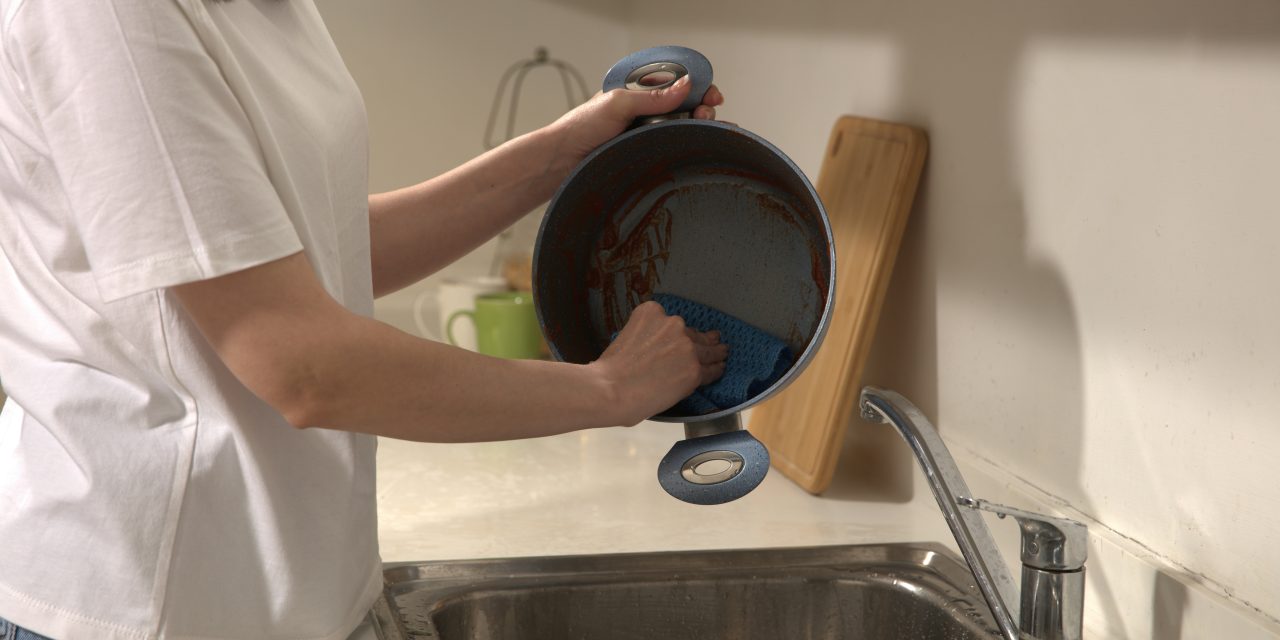
Before embarking on the task of cleaning your microwave, it is essential to assemble all necessary cleaning supplies. This preparation not only streamlines the process but also ensures that you have everything at your fingertips, minimizing interruptions. The primary items you will need include a soft cloth or sponge, a microwave-safe bowl, measuring cups, and a spray bottle. Additionally, consider having natural cleaning agents such as white vinegar, baking soda, and lemon on hand. These substances are not only effective but also environmentally friendly alternatives to harsh chemical cleaners.
In terms of tools, a toothbrush or a small scrub brush can be invaluable for reaching crevices and stubborn stains. Paper towels are also useful for quick drying and wiping down surfaces. Having a pair of rubber gloves can protect your hands from any grime or residue while providing a better grip on cleaning tools. By gathering these supplies beforehand, you set the stage for an efficient and thorough cleaning session.
Unplug the Microwave for Safety
Safety should always be the foremost consideration when performing any cleaning task, especially with electrical appliances like microwaves. Before you begin the cleaning process, ensure that the microwave is unplugged from the electrical outlet. This precautionary measure eliminates the risk of electric shock and prevents any accidental activation of the appliance while you are working inside it.
Unplugging the microwave also allows you to focus entirely on the cleaning process without worrying about potential hazards. Once disconnected from power, take a moment to inspect the microwave for any visible damage or wear that may require professional attention. This proactive approach not only enhances safety but also prolongs the lifespan of your appliance.
Prepare a Natural Cleaning Solution

Creating a natural cleaning solution is an excellent way to tackle grime without resorting to harsh chemicals. One of the most effective mixtures involves combining equal parts of white vinegar and water in a microwave-safe bowl. Vinegar is renowned for its antibacterial properties and ability to dissolve grease and food particles, making it an ideal choice for microwave cleaning.
To prepare this solution, measure one cup of water and one cup of white vinegar, then pour them into the bowl. Stir gently to combine the ingredients thoroughly. For added effectiveness, consider infusing the solution with essential oils such as lemon or lavender, which can provide a pleasant fragrance while enhancing cleaning power. This natural concoction not only cleans but also deodorizes, leaving your microwave fresh and inviting.
Steam Clean the Interior with Vinegar and Water

Once your natural cleaning solution is ready, it’s time to utilize its steam-cleaning capabilities. Place the bowl containing the vinegar-water mixture in the microwave and set it to high power for approximately five minutes. The steam generated during this process will loosen stubborn food particles and grease that have accumulated on the interior surfaces.
After the timer goes off, allow the bowl to sit inside the microwave for an additional two to three minutes. This resting period enables the steam to penetrate deeper into any tough stains or residues. When you finally open the microwave door, exercise caution as hot steam will escape. Carefully remove the bowl using oven mitts or a towel to avoid burns. The interior should now be significantly easier to clean, with most debris loosened and ready for wiping.
Wipe Down the Interior Surfaces
With the steam cleaning complete, it’s time to wipe down all interior surfaces of the microwave. Using a soft cloth or sponge dampened with warm water, begin by wiping down the walls, ceiling, and floor of the microwave. Pay special attention to corners and crevices where food particles may have accumulated.
For optimal results, use a circular motion while wiping to ensure that all surfaces are thoroughly cleaned. If necessary, dip your cloth into the vinegar-water solution for added cleaning power on particularly stubborn spots. After wiping down all surfaces, use a dry cloth or paper towel to remove any excess moisture, ensuring that no water remains inside that could lead to mold or mildew growth.
Tackle Stubborn Food Splatter with Baking Soda Paste
Despite your best efforts, some food splatters may prove resistant to conventional cleaning methods. In such cases, a baking soda paste can be an effective solution. To create this paste, mix three tablespoons of baking soda with just enough water to form a thick consistency.
Apply this paste directly onto stubborn stains or splatters within the microwave and allow it to sit for approximately 10-15 minutes. The alkaline properties of baking soda work to break down grease and grime effectively. After letting it sit, use a damp cloth or sponge to scrub away the paste along with any remaining residue. Rinse with clean water and wipe dry for a spotless finish.
Clean the Microwave Turntable and Accessories
The turntable and other accessories within your microwave also require attention during your cleaning routine. Begin by removing the turntable and any other removable components such as support rings or trays. These parts can typically be washed in warm soapy water or placed in the dishwasher for convenience.
While washing these components, inspect them for any signs of wear or damage that may affect their functionality. After cleaning, ensure they are thoroughly dried before reassembling them in the microwave. This step not only maintains hygiene but also ensures that your microwave operates efficiently without any obstructions.
Remove Odors Using Lemon and Water
To eliminate lingering odors from your microwave, consider using lemon as a natural deodorizer. Cut a lemon in half and place it in a microwave-safe bowl filled with water. Similar to the vinegar method, heat this mixture in the microwave on high for about five minutes.
The steam produced will not only help clean but also infuse a fresh citrus scent throughout the appliance. After heating, allow it to sit for a few minutes before carefully removing it from the microwave. Wipe down any surfaces that may have absorbed odors with a damp cloth for an added freshness boost.
Clean the Exterior and Control Panel
While much focus is placed on the interior of the microwave, maintaining cleanliness on the exterior is equally important. Begin by using a soft cloth dampened with warm soapy water to wipe down all exterior surfaces, including the door handle and control panel.
For electronic controls, avoid using excessive moisture that could seep into buttons or circuits; instead, use a lightly dampened cloth followed by a dry one to prevent water damage. If there are stubborn stains on stainless steel surfaces, consider using a specialized stainless steel cleaner or a mixture of vinegar and olive oil for polishing.
Dry and Reassemble the Microwave
After thoroughly cleaning both the interior and exterior of your microwave, it’s crucial to ensure everything is completely dry before reassembly. Use dry cloths or paper towels to wipe down all surfaces again, paying special attention to areas where moisture may linger.
Once everything is dry, carefully reassemble any removable components such as the turntable and support ring. Ensure that they are positioned correctly for optimal functionality during operation. Plug in your microwave once again and perform a quick test run without food to ensure everything is working properly.
Tips for Preventing Future Microwave Messes
Preventing future messes in your microwave can save time and effort in cleaning later on. One effective strategy is to cover food items with a microwave-safe lid or paper towel while heating; this minimizes splatter and keeps surfaces cleaner.
Additionally, consider regularly wiping down interior surfaces after each use to prevent buildup over time. Establishing a routine cleaning schedule can help maintain cleanliness without requiring extensive efforts later on. Lastly, be mindful of what you place in your microwave; avoid heating items that are prone to splattering or spilling.
In summary, maintaining a clean microwave is essential for both hygiene and appliance longevity. By following these detailed steps—from gathering supplies to implementing preventive measures—you can ensure that your microwave remains in optimal condition while providing safe and efficient cooking experiences.