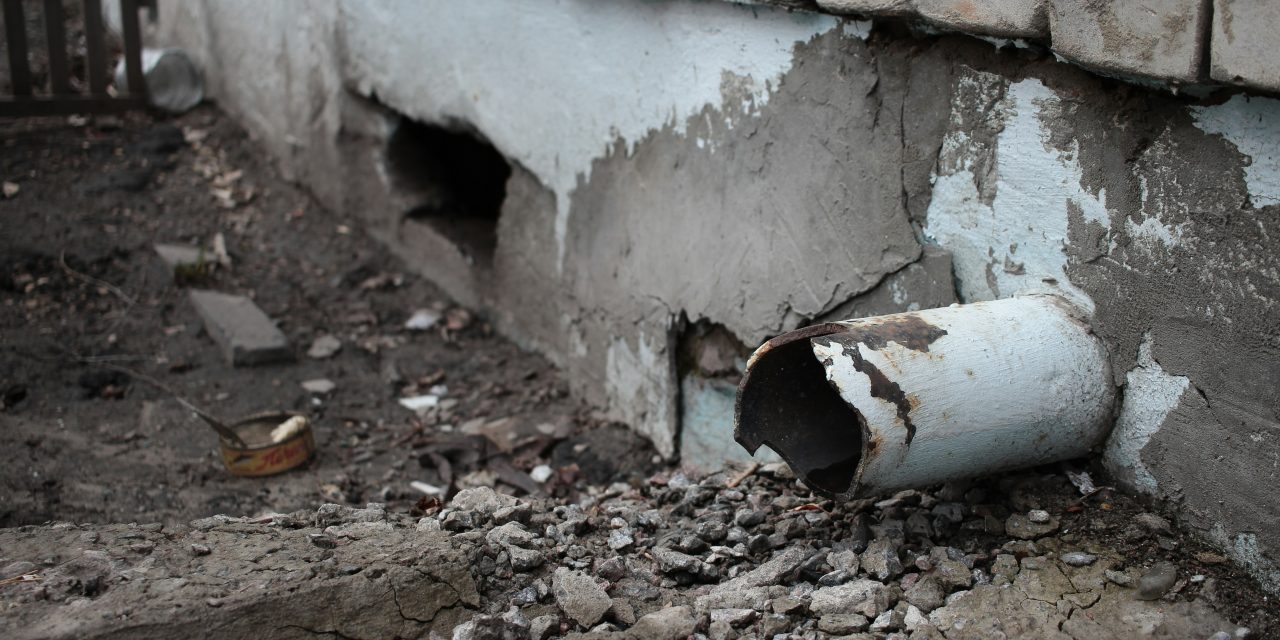
Poor drainage around a foundation can lead to significant structural issues, including water infiltration, mold growth, and even foundation failure. Understanding the underlying causes is crucial for effective remediation. One primary factor contributing to inadequate drainage is the topography of the land. If your property is situated on a slope or has low-lying areas, water may naturally flow toward your foundation rather than away from it. Additionally, soil composition plays a vital role; clay soils, for instance, retain moisture and can exacerbate drainage problems.
Another common cause is the presence of obstructions that impede water flow. This can include landscaping features, debris accumulation, or improperly placed hardscaping elements. Furthermore, the condition of existing drainage systems, such as gutters and downspouts, can significantly impact water management around your home. If these systems are clogged or damaged, they may fail to divert water effectively, leading to pooling around the foundation.
Assessing the Drainage Problem: Signs and Symptoms
Identifying drainage issues early can prevent costly repairs and extensive damage to your property. Homeowners should be vigilant for several signs that indicate poor drainage around their foundations. One of the most apparent symptoms is water pooling in the yard after heavy rainfall. If you notice standing water near your foundation or in your basement, it is a clear indication that drainage is inadequate.
Other signs include damp or discolored walls in the basement or crawl space, which may suggest water infiltration. Additionally, cracks in the foundation walls or floor can signal that excess moisture is causing soil expansion and contraction. Mold growth or musty odors within your home are also red flags that should not be ignored. Regular inspections and awareness of these symptoms can help you address drainage issues before they escalate into more severe problems.
Inspecting Your Gutters and Downspouts for Proper Function

Gutters and downspouts are essential components of a home’s drainage system, designed to channel rainwater away from the foundation. Regular inspection of these elements is crucial to ensure they function correctly. Begin by checking for visible debris such as leaves, twigs, and dirt that may obstruct water flow. Clogged gutters can lead to overflow, causing water to cascade down the sides of your home and pool around the foundation.
Additionally, assess the downspouts for proper discharge. Downspouts should direct water at least 6 to 10 feet away from the foundation to prevent pooling. If downspouts are too short or improperly angled, they may inadvertently direct water back toward the house. Installing extensions or splash blocks can help mitigate this issue and enhance overall drainage efficiency.
Cleaning and Maintaining Gutters to Prevent Water Overflow

Regular cleaning and maintenance of gutters are vital for preventing overflow and ensuring effective drainage. Homeowners should aim to clean their gutters at least twice a year—once in the spring and once in the fall—to remove accumulated debris. In areas with heavy foliage, more frequent cleaning may be necessary to prevent clogs.
To clean gutters effectively, use a sturdy ladder and wear gloves to protect your hands from sharp debris. Begin by removing larger debris by hand, followed by flushing the gutters with water using a garden hose. This process will help identify any leaks or areas where water does not flow properly. Additionally, consider installing gutter guards to minimize debris accumulation and reduce maintenance frequency.
Grading Your Yard to Direct Water Away from the Foundation
Proper grading of your yard is essential for effective drainage management. The ground should slope away from your foundation at a minimum of 2% (or approximately 1/4 inch per foot) for at least 10 feet. This slope allows rainwater to flow away from the house rather than pooling around it.
If your yard is not graded correctly, you may need to regrade it by adding soil or creating swales—shallow ditches designed to redirect water flow. When regrading, ensure that any changes do not create new drainage issues for neighboring properties. Consulting with a landscape professional can provide valuable insights into effective grading techniques tailored to your specific property.
Installing or Repairing Drainage Systems Like French Drains
For more severe drainage issues, installing or repairing specialized drainage systems may be necessary. French drains are one of the most effective solutions for managing excess water around foundations. These systems consist of a trench filled with gravel and a perforated pipe that collects and redirects water away from the foundation.
To install a French drain, begin by digging a trench that slopes away from your home. Lay down landscape fabric to prevent soil from clogging the gravel, then fill the trench with gravel before placing the perforated pipe on top. Cover it with more gravel and soil to complete the installation. Regular maintenance is essential; ensure that the drain remains clear of debris to maintain optimal functionality.
Applying Waterproof Sealants to Your Foundation Walls
Waterproof sealants can provide an additional layer of protection against moisture infiltration in basements and crawl spaces. These sealants create a barrier that prevents water from penetrating through cracks or porous surfaces in foundation walls. Before applying sealants, it is crucial to prepare the surface by cleaning it thoroughly and repairing any visible cracks.
Choose a high-quality waterproof sealant specifically designed for masonry or concrete surfaces. Follow the manufacturer’s instructions for application, ensuring even coverage for maximum effectiveness. While sealants can significantly reduce moisture intrusion, they should be used in conjunction with other drainage solutions for comprehensive protection.
Using Drainage Tiles or Pipes to Improve Water Flow
Drainage tiles or pipes can enhance water flow management around your foundation by providing an efficient means of redirecting excess moisture away from your property. These systems typically consist of perforated pipes buried underground that collect groundwater and direct it toward a designated drainage area.
To install drainage tiles, begin by excavating a trench around your foundation where water tends to accumulate. Lay down gravel at the bottom of the trench before placing the perforated pipe on top, ensuring that it slopes away from the foundation. Cover with additional gravel and soil to complete the installation. Regular inspections are necessary to ensure that these systems remain clear of blockages.
Creating Swales or Berms to Manage Surface Water
Swales and berms are effective landscaping features designed to manage surface water runoff and direct it away from your foundation. A swale is a shallow ditch that collects and channels water, while a berm is an elevated mound of soil that redirects water flow.
To create a swale, dig a shallow trench along the path where water tends to flow and fill it with gravel or rocks to facilitate drainage. For berms, mound soil in strategic locations to redirect water away from vulnerable areas around your home. Both features can be enhanced with vegetation that stabilizes soil and absorbs excess moisture.
Planting Vegetation to Absorb Excess Water and Stabilize Soil
Incorporating vegetation into your landscape design can significantly improve drainage by absorbing excess moisture and stabilizing soil structure. Native plants are particularly effective as they are adapted to local climate conditions and require less maintenance.
Consider planting deep-rooted species such as trees or shrubs near areas prone to flooding; their roots will help absorb excess water while preventing soil erosion. Additionally, ground cover plants can help retain moisture in dry periods while providing a barrier against surface runoff during heavy rains.
When to Call a Professional for Foundation Drainage Issues
While many drainage issues can be addressed through DIY methods, some situations require professional intervention. If you notice persistent water intrusion despite implementing preventive measures or if you observe significant structural damage such as large cracks in your foundation walls, it is essential to consult with a qualified contractor specializing in drainage solutions.
Professionals can conduct comprehensive assessments using advanced tools such as moisture meters and infrared cameras to identify hidden issues within your property’s drainage system. They can recommend tailored solutions based on their findings, ensuring that your home remains protected against future water-related problems.
In summary, addressing poor drainage around your foundation involves understanding its causes, assessing symptoms, inspecting gutters and downspouts, maintaining them regularly, grading your yard appropriately, installing specialized drainage systems like French drains, applying waterproof sealants, utilizing drainage tiles or pipes, creating swales or berms, planting vegetation for stabilization, and knowing when to seek professional help. By taking proactive measures and implementing effective solutions, homeowners can safeguard their properties against potential damage caused by inadequate drainage systems.
FAQs
What are the common signs of poor drainage around a house foundation?
Common signs of poor drainage include water pooling around the foundation, damp or moldy walls in the basement, cracks in the foundation, and soil erosion near the house. Additionally, you may notice water stains on walls or ceilings, which can indicate water intrusion from poor drainage.
What are some effective methods to improve drainage around a foundation?
Effective methods to improve drainage include installing gutters and downspouts to direct rainwater away from the foundation, grading the landscape to slope away from the house, and using French drains or trench drains to redirect water. Additionally, ensuring that soil is compacted and using permeable materials can help manage water flow.
How can landscaping affect drainage around a house?
Landscaping can significantly affect drainage by influencing how water flows around the property. Plants and trees can absorb excess water, while hardscaping features like patios and walkways can redirect water flow. Properly designed landscaping should promote drainage away from the foundation to prevent water accumulation.
When should I consider hiring a professional for drainage issues?
You should consider hiring a professional if you notice persistent water problems, significant foundation cracks, or if DIY solutions do not resolve the drainage issues. A professional can assess the situation, provide expert recommendations, and implement more complex drainage systems if necessary.
Can poor drainage lead to structural damage in my home?
Yes, poor drainage can lead to structural damage in your home. Water accumulation around the foundation can cause soil erosion, leading to settling or shifting of the foundation. This can result in cracks, bowing walls, and other structural issues that may require costly repairs if not addressed promptly.