Cracks in walls and foundations are often the first indicators of structural issues within a property. These fissures can manifest in various forms, including vertical, horizontal, or diagonal cracks, each suggesting different underlying problems. Vertical cracks may indicate settling, while horizontal cracks often signal more severe issues such as foundation failure or soil pressure. The width of these cracks is also significant; cracks wider than a quarter-inch typically warrant immediate professional assessment.
The causes of these cracks can range from natural settling of the building to more severe issues such as expansive soil conditions or inadequate drainage systems. Homeowners should be vigilant in monitoring these cracks, as they can worsen over time, leading to significant structural damage. Solutions may include underpinning the foundation, installing piers, or improving drainage around the property to alleviate pressure on the foundation.
Uneven or Sloping Floors
Uneven or sloping floors can be a telltale sign of foundational issues or structural instability. When floors are not level, it can lead to discomfort and safety hazards for occupants. This phenomenon often results from settling foundations, rotting floor joists, or even termite damage. Homeowners may notice that furniture does not sit evenly or that items roll off surfaces, which can be both frustrating and alarming.
To address uneven floors, a thorough inspection by a structural engineer is essential. Solutions may involve reinforcing the foundation with piers or jacks, replacing damaged joists, or even leveling the floor with specialized techniques. In some cases, it may be necessary to excavate and repair the foundation itself to ensure long-term stability.
Doors and Windows That Stick or Don’t Close Properly

Doors and windows that stick or fail to close properly are often symptomatic of shifting foundations or structural misalignment. When a building settles unevenly, door frames and window casings can warp, leading to operational difficulties. This issue not only affects the aesthetic appeal of a home but can also compromise security and energy efficiency.
To remedy this situation, homeowners should first assess whether the problem is localized to specific doors or windows or if it is widespread throughout the property. Solutions may include realigning door frames, adjusting hinges, or in more severe cases, replacing entire door frames or window units. Regular maintenance and inspections can help prevent these issues from escalating.
Gaps Between Walls, Ceilings, and Floors

Gaps between walls, ceilings, and floors can indicate significant structural problems within a property. These spaces often arise due to settling foundations or shifting materials over time. Homeowners may notice unsightly gaps that allow drafts and pests to enter, leading to increased energy costs and potential infestations.
Addressing these gaps requires a comprehensive evaluation of the building’s structural integrity. Solutions may involve sealing gaps with caulk or foam insulation for minor issues, while more severe cases may necessitate foundation repairs or reinforcement. Regular inspections can help identify potential problems early on, allowing for timely interventions.
Sagging or Bowing Rooflines
Sagging or bowing rooflines are alarming signs of structural distress that should never be ignored. This condition often results from inadequate support systems, water damage, or excessive weight from snow or debris accumulation. A sagging roof can lead to leaks and further deterioration of the building’s interior.
To address this issue effectively, homeowners should consult with a roofing specialist or structural engineer to assess the extent of the damage. Solutions may include reinforcing rafters, replacing damaged trusses, or even installing additional support beams to redistribute weight evenly across the roof structure. Regular maintenance and inspections can help prevent sagging roofs from becoming a more significant issue.
Water Damage and Mold Growth
Water damage is one of the most insidious problems a property can face, often leading to mold growth and compromising indoor air quality. Sources of water damage can include leaky roofs, burst pipes, or poor drainage systems. Mold thrives in damp environments and can pose serious health risks to occupants, including respiratory issues and allergic reactions.
To combat water damage and mold growth effectively, it is crucial to identify and rectify the source of moisture first. Solutions may involve repairing leaks, improving drainage systems, and utilizing dehumidifiers to reduce humidity levels indoors. In cases of extensive mold growth, professional remediation services may be necessary to ensure safe removal and prevent recurrence.
Visible Rust on Metal Supports or Beams
Visible rust on metal supports or beams is a clear indicator of moisture exposure and potential structural weakness. Rust can compromise the integrity of metal components within a building, leading to catastrophic failures if left unaddressed. Homeowners should be particularly vigilant in areas prone to high humidity or water exposure.
To mitigate rust issues, it is essential to address moisture sources immediately. Solutions may include applying rust-inhibiting coatings to metal surfaces, replacing severely corroded components, and ensuring proper ventilation in areas susceptible to moisture accumulation. Regular inspections can help catch rust early before it leads to more significant structural concerns.
Bulging or Leaning Walls
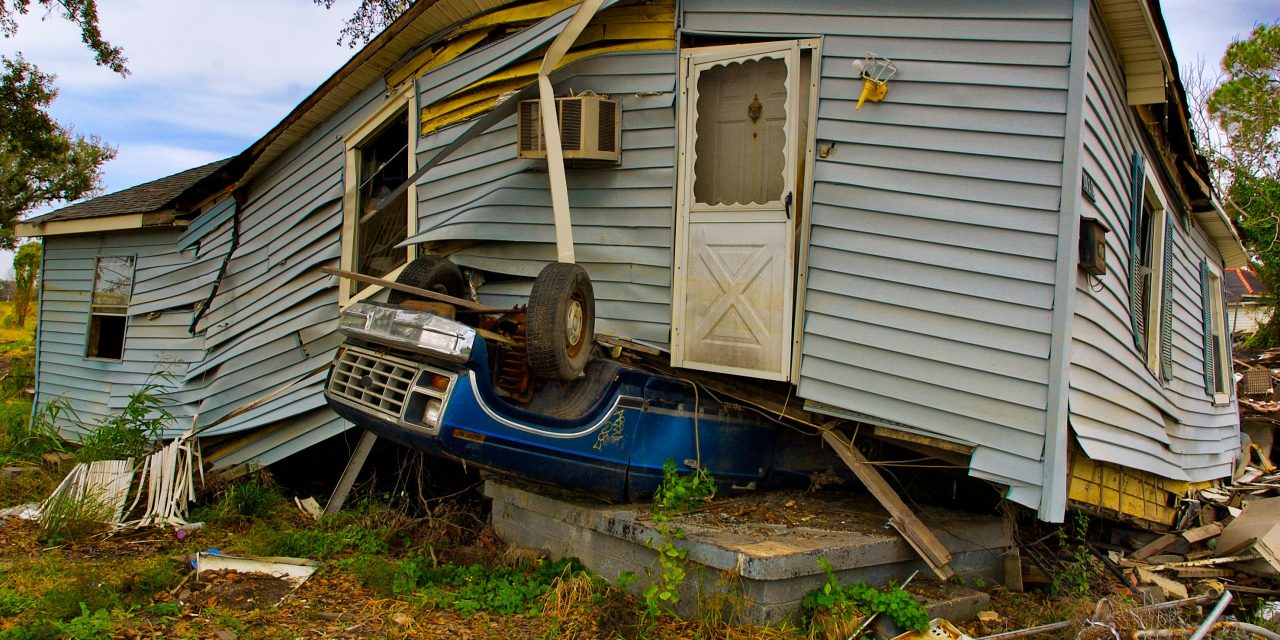
Bulging or leaning walls are alarming signs that indicate severe structural issues within a property. These conditions often arise from foundation settlement, soil erosion, or excessive lateral pressure from surrounding soil. Bulging walls can compromise the overall stability of a building and pose safety risks for occupants.
Addressing bulging walls requires immediate attention from a structural engineer who can assess the extent of the damage and recommend appropriate solutions. Options may include underpinning the foundation, installing wall anchors, or even rebuilding sections of the wall if necessary. Regular monitoring and maintenance can help prevent bulging walls from becoming a more significant issue.
Excessive Settling or Sinking of the Property
Excessive settling or sinking of a property is a critical concern that requires immediate intervention. This phenomenon often results from poor soil conditions, inadequate drainage systems, or improper construction techniques. Homeowners may notice uneven surfaces both inside and outside their homes as well as cracks in walls and foundations.
To address excessive settling effectively, it is crucial to conduct a thorough assessment by a qualified professional who can determine the underlying causes. Solutions may involve underpinning techniques such as helical piers or push piers to stabilize the foundation and prevent further sinking. Implementing proper drainage solutions can also help mitigate future settling issues.
Persistent Musty Odors or Dampness
Persistent musty odors or dampness within a property are often indicative of underlying moisture problems that require immediate attention. These odors typically arise from mold growth or water intrusion and can significantly impact indoor air quality and occupant health. Homeowners should be proactive in identifying sources of dampness to prevent further complications.
To address musty odors effectively, it is essential to locate and eliminate sources of moisture first. Solutions may include repairing leaks, improving ventilation systems, and utilizing dehumidifiers to maintain optimal humidity levels indoors. In cases where mold has developed extensively, professional remediation services may be necessary to ensure safe removal.
Unusual Noises Such as Creaking or Popping Sounds
Unusual noises such as creaking or popping sounds within a property can indicate structural issues that require investigation. These sounds often arise from shifting materials due to temperature changes, settling foundations, or even pest infestations such as termites. Homeowners should not ignore these noises as they may signal underlying problems that could escalate if left unaddressed.
To address unusual noises effectively, homeowners should conduct a thorough inspection of their property to identify potential sources of sound disturbances. Solutions may involve reinforcing floor joists, repairing damaged beams, or addressing pest infestations promptly. Regular maintenance checks can help catch potential issues early on before they lead to more significant concerns.
In summary, recognizing signs of structural distress in a property is crucial for maintaining safety and integrity. From cracks in walls to unusual noises, each symptom warrants careful evaluation and timely intervention by professionals when necessary. By addressing these issues proactively through regular inspections and maintenance strategies, homeowners can safeguard their investments and ensure long-term stability for their properties.
FAQs
What are common signs of structural damage in a house?
Common signs of structural damage include cracks in walls or ceilings, uneven or sloping floors, doors and windows that stick or do not close properly, gaps around window frames or doors, and visible signs of water damage or mold. These indicators can suggest underlying issues with the foundation or framing of the house.
How can I identify cracks that indicate structural damage?
Cracks that may indicate structural damage are typically wider than 1/8 inch and may be diagonal or zigzag in shape. Vertical cracks can be less concerning, while horizontal cracks or those that expand over time should be evaluated by a professional. Pay attention to cracks that appear suddenly or worsen quickly.
What should I do if I notice signs of structural damage?
If you notice signs of structural damage, it is important to consult a qualified structural engineer or a licensed contractor. They can assess the severity of the damage and recommend appropriate repairs. Avoid attempting to fix significant structural issues on your own, as this can lead to further complications.
Can weather conditions contribute to structural damage?
Yes, weather conditions such as heavy rainfall, flooding, extreme temperatures, and high winds can contribute to structural damage. Water intrusion can weaken foundations, while freeze-thaw cycles can cause materials to expand and contract, leading to cracks and other issues. Regular maintenance and inspections can help mitigate these risks.
Is it possible to prevent structural damage in a house?
While not all structural damage can be prevented, homeowners can take proactive measures to minimize risks. This includes maintaining proper drainage around the foundation, ensuring gutters and downspouts are functioning correctly, performing regular inspections for signs of wear, and addressing minor repairs promptly before they escalate into larger issues.