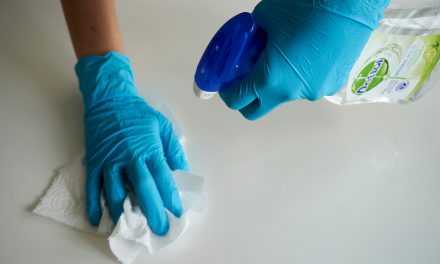
Before embarking on the task of deep cleaning your refrigerator, it is essential to gather all necessary supplies to ensure a thorough and efficient process. Start by assembling a cleaning caddy that includes the following items: a mild dish soap, white vinegar, baking soda, a soft sponge or cloth, a scrub brush, and a spray bottle. Additionally, consider having a vacuum cleaner with a hose attachment on hand to clean the condenser coils, which are often overlooked but crucial for the appliance’s efficiency.
It is also advisable to have a few towels or microfiber cloths ready for drying surfaces after cleaning. For those who prefer natural cleaning solutions, essential oils such as lemon or tea tree oil can be added to your vinegar solution for an extra antibacterial effect. Having these supplies organized and within reach will streamline the cleaning process and help you avoid interruptions.
Emptying the Refrigerator Safely
The first step in deep cleaning your refrigerator is to empty its contents safely. Begin by checking expiration dates on all food items and discarding anything that is spoiled or no longer consumable. This not only reduces clutter but also minimizes the risk of contamination during the cleaning process. It is advisable to keep perishables like dairy products and meats in a cooler with ice packs while you clean to maintain their freshness.
Once the refrigerator is emptied, take a moment to categorize the remaining items into groups such as dairy, vegetables, condiments, and leftovers. This organization will facilitate a more efficient re-stocking process once cleaning is complete. Additionally, consider using this opportunity to assess your food inventory and plan meals around items that need to be consumed soon.
Removing and Soaking Shelves and Drawers

After emptying the refrigerator, the next step involves removing shelves and drawers for a more thorough cleaning. Most modern refrigerators have removable components that can be easily taken out. Carefully detach these parts, ensuring not to force anything that may be stuck due to spills or grime buildup. Once removed, place them in a sink or bathtub filled with warm soapy water to soak.
While soaking, use this time to scrub any stubborn residues on the shelves and drawers with a soft sponge or cloth. For particularly tough stains, consider using a mixture of baking soda and water to create a paste that can be applied directly to the affected areas. Allow this paste to sit for several minutes before scrubbing gently. This method will help lift stains without scratching the surfaces.
Cleaning the Interior Walls and Surfaces

With shelves and drawers soaking, turn your attention to the interior walls and surfaces of the refrigerator. Begin by using a solution of warm water mixed with mild dish soap or white vinegar. Dampen a soft cloth or sponge in this solution and wipe down all interior surfaces, including walls, ceilings, and corners where dust and grime tend to accumulate.
Pay special attention to areas around the light fixtures and temperature controls, as these spots can harbor bacteria if not cleaned regularly. After wiping down all surfaces, rinse your cloth or sponge in clean water and go over the surfaces again to remove any soap residue. Finally, dry everything thoroughly with a clean towel to prevent moisture buildup, which can lead to mold growth.
Tackling Stubborn Stains and Spills
Despite your best efforts, some stains may prove resistant to standard cleaning methods. For these stubborn stains, consider using a more concentrated solution of baking soda mixed with water to form a paste. Apply this paste directly onto the stain and let it sit for 10-15 minutes before scrubbing gently with a soft-bristled brush or sponge.
For sticky spills, such as syrup or juice, it may be beneficial to use a mixture of equal parts vinegar and water as a pre-treatment before scrubbing. This solution helps break down sticky residues effectively. If stains persist after these treatments, consider using commercial cleaners specifically designed for kitchen appliances; however, ensure they are safe for food contact surfaces.
Deodorizing with Natural Solutions
Once the refrigerator is clean, it’s time to tackle any lingering odors that may remain. Natural deodorizing solutions can be highly effective in neutralizing unpleasant smells without introducing harsh chemicals into your appliance. One popular method involves placing an open box of baking soda on one of the shelves; baking soda is known for its ability to absorb odors.
Another effective option is using activated charcoal bags or coffee grounds placed in small bowls throughout the refrigerator. Both substances are excellent at absorbing unwanted smells while leaving behind a fresh scent. Additionally, consider placing slices of lemon or orange in the fridge; their natural oils can impart a pleasant fragrance while also combating odors.
Cleaning the Door Seals and Gaskets
The door seals and gaskets are critical components of your refrigerator that often go unnoticed during routine cleaning. These rubber seals can accumulate dirt, grime, and even mold if not properly maintained. To clean them effectively, use a mixture of warm soapy water or vinegar on a soft cloth to wipe down these areas thoroughly.
Inspect the seals for any signs of wear or damage; cracked or broken seals can lead to energy inefficiency and temperature fluctuations within the refrigerator. If you notice any issues, consider replacing them promptly to maintain optimal performance. Regularly cleaning these seals will not only enhance hygiene but also prolong the lifespan of your appliance.
Wiping Down the Exterior and Handles
After addressing the interior components of your refrigerator, shift your focus to its exterior surfaces. Use a gentle cleaner suitable for stainless steel or plastic finishes—depending on your refrigerator’s material—to wipe down all exterior surfaces thoroughly. Pay special attention to handles, as they are frequently touched and can harbor bacteria.
For stainless steel appliances, consider using a specialized stainless steel cleaner or a mixture of vinegar and olive oil for a streak-free shine. Ensure that you follow the grain of the stainless steel while wiping to avoid scratches. Once cleaned, dry all surfaces with a microfiber cloth to prevent water spots from forming.
Organizing Food to Prevent Future Odors
Once your refrigerator is clean and dry, it’s time to organize food items strategically to prevent future odors and maintain freshness. Start by placing items back into the refrigerator based on their categories—dairy products should be stored on higher shelves where temperatures are more consistent, while vegetables should be placed in designated crisper drawers.
Consider using clear bins or containers for smaller items like condiments or snacks; this not only keeps things organized but also makes it easier to see what you have on hand. Labeling containers can further enhance organization and help prevent food waste by ensuring that older items are consumed first.
Maintaining Your Refrigerator’s Cleanliness Regularly
To keep your refrigerator in optimal condition, establish a regular maintenance routine that includes both cleaning and organization tasks. Aim for a deep clean every three months; however, perform quick cleanings every month by wiping down surfaces and checking expiration dates on food items.
Additionally, consider vacuuming the condenser coils at least twice a year to ensure efficient operation. Keeping an eye on spills as they occur will also help maintain cleanliness; promptly addressing any messes will prevent them from becoming stubborn stains over time.
Tips for Keeping Your Refrigerator Smelling Fresh Longer
To prolong freshness within your refrigerator, implement several proactive strategies beyond regular cleaning. First, ensure that all food items are stored in airtight containers; this minimizes exposure to air and helps contain odors within individual items.
Second, regularly check for expired items or those nearing their expiration dates; removing these promptly will prevent unpleasant smells from developing. Lastly, consider placing an open container of activated charcoal or baking soda in your refrigerator as an ongoing deodorizer; replacing these every few months will help maintain an odor-free environment.
In summary, deep cleaning your refrigerator involves several steps: preparing supplies, safely emptying contents, soaking shelves and drawers, cleaning interior surfaces, tackling stubborn stains, deodorizing naturally, maintaining door seals, wiping down exteriors, organizing food effectively, establishing regular maintenance routines, and implementing strategies for long-lasting freshness. By following these guidelines diligently, you can ensure that your refrigerator remains clean, efficient, and odor-free for years to come.