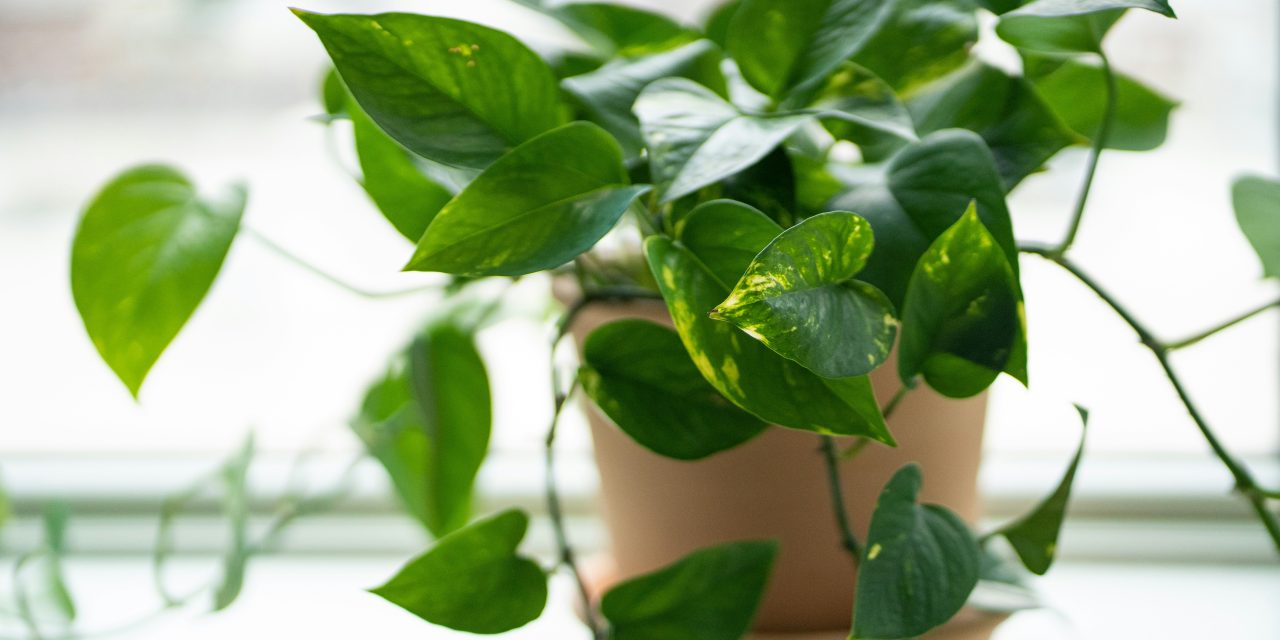
Selecting the appropriate variety of Pothos is crucial for achieving rapid growth and vibrant foliage. Among the numerous cultivars available, the Golden Pothos (Epipremnum aureum) is renowned for its vigorous growth rate and striking variegated leaves. This variety thrives in a range of conditions, making it an excellent choice for both novice and experienced plant enthusiasts. Other popular varieties include the Marble Queen, which features a stunning mix of green and white leaves, and the Neon Pothos, known for its bright, lime-green foliage that can add a pop of color to any indoor space.
When choosing a Pothos variety, consider factors such as growth habits and aesthetic preferences. For instance, if you desire a trailing plant that can cascade elegantly from shelves or hanging baskets, the Devil’s Ivy variant is ideal. Conversely, if you prefer a more compact growth form, the N’Joy Pothos may be more suitable. Understanding the unique characteristics of each variety will enable you to select one that aligns with your growth goals and environmental conditions.
Provide Optimal Lighting Conditions Indoors
Lighting plays a pivotal role in the growth and health of Pothos plants. While these resilient plants can tolerate low-light conditions, they flourish best in bright, indirect sunlight. Positioning your Pothos near a window with filtered light can significantly enhance its growth rate and leaf coloration. Direct sunlight can scorch the leaves, leading to unsightly brown patches and stunted growth. Therefore, it is essential to strike a balance between providing adequate light and avoiding excessive exposure.
In situations where natural light is limited, consider supplementing with artificial grow lights. Full-spectrum LED grow lights can mimic natural sunlight and promote photosynthesis, resulting in healthier plants. Aim for 12 to 14 hours of light exposure daily to stimulate optimal growth. Regularly rotating your Pothos can also ensure even light distribution across all leaves, preventing uneven growth patterns.
Use Well-Draining, Nutrient-Rich Soil

The choice of soil is fundamental to the overall health of your Pothos plant. A well-draining potting mix is essential to prevent waterlogging, which can lead to root rot—a common issue among indoor plants. A blend of peat moss, perlite, and vermiculite creates an ideal environment that retains moisture while allowing excess water to escape. This combination ensures that the roots receive adequate oxygen while preventing fungal infections.
In addition to drainage, nutrient content is vital for promoting vigorous growth. Incorporating organic matter such as compost or worm castings into your potting mix can enhance soil fertility. These organic amendments provide essential nutrients like nitrogen, phosphorus, and potassium, which are crucial for leaf development and overall plant vigor. Regularly checking the soil’s pH level—ideally between 6.0 and 6.5—can further optimize nutrient availability for your Pothos.
Maintain Proper Watering Practices

Watering practices significantly influence the health and growth rate of Pothos plants. Overwatering is one of the most common mistakes made by indoor gardeners, leading to root rot and other complications. It is essential to allow the top inch of soil to dry out before rewatering. This practice encourages deep root growth and prevents stagnant water from accumulating in the pot.
When watering your Pothos, ensure that water drains freely from the bottom of the pot. This not only prevents waterlogging but also allows you to gauge how much moisture is retained in the soil. During the growing season—typically spring and summer—Pothos may require more frequent watering due to increased evaporation rates. Conversely, during the dormant winter months, reduce watering frequency as the plant’s growth slows down.
Fertilize Regularly with Balanced Plant Food
To support robust growth and vibrant foliage, regular fertilization is essential for Pothos plants. A balanced liquid fertilizer with an N-P-K ratio of 20-20-20 or similar can provide the necessary nutrients for optimal development. Fertilizing every four to six weeks during the growing season will ensure that your plant receives adequate nourishment.
In addition to standard fertilizers, consider using slow-release granules or organic options such as fish emulsion or seaweed extract. These alternatives can provide a steady supply of nutrients over time while promoting beneficial microbial activity in the soil. Always follow the manufacturer’s instructions regarding dosage and application frequency to avoid nutrient burn or deficiencies.
Prune and Trim to Encourage New Growth
Regular pruning is an effective method for encouraging new growth in Pothos plants. By trimming back leggy stems or removing yellowing leaves, you can stimulate branching and promote a fuller appearance. Pruning not only enhances aesthetics but also redirects energy towards healthier parts of the plant.
When pruning, use clean, sharp scissors or pruning shears to make precise cuts just above a leaf node. This technique encourages new shoots to emerge from the node, resulting in bushier growth. Additionally, removing any dead or diseased foliage helps prevent potential pest infestations and diseases from spreading throughout the plant.
Ensure Adequate Humidity Levels
Humidity levels play a significant role in the overall health of Pothos plants, particularly in dry indoor environments. These tropical plants thrive in humidity levels ranging from 40% to 70%. If your home has low humidity—common during winter months—consider using a humidifier or placing a tray filled with water and pebbles near your plant to increase moisture levels.
Misting your Pothos occasionally can also help maintain humidity; however, avoid excessive misting as it may lead to fungal issues on leaves. Grouping plants together can create a microclimate with higher humidity levels due to transpiration. Monitoring humidity levels with a hygrometer can provide valuable insights into your indoor environment and help you make necessary adjustments.
Repot When the Plant Becomes Root-Bound
Repotting is an essential practice for maintaining healthy Pothos plants as they grow. When roots become tightly packed within their container—a condition known as being root-bound—it can hinder nutrient uptake and overall growth. Signs that your Pothos may need repotting include roots emerging from drainage holes or stunted growth despite proper care.
When repotting, choose a container that is one size larger than the current pot to allow for continued growth without overwhelming the plant. Gently loosen any tightly bound roots before placing them in fresh potting soil. This process not only provides more space for root expansion but also refreshes the nutrient content available to your plant.
Control Temperature for Ideal Growth
Temperature control is vital for fostering optimal growth conditions for Pothos plants. These tropical species prefer temperatures between 65°F (18°C) and 85°F (29°C). Exposure to extreme temperatures—either too hot or too cold—can lead to stress and hinder growth rates.
Avoid placing your Pothos near drafts from windows or heating vents, as sudden temperature fluctuations can adversely affect its health. If you notice leaf drop or discoloration, it may indicate that your plant is experiencing temperature stress. Maintaining a stable environment will promote vigorous growth and enhance overall vitality.
Use Growth-Boosting Rooting Hormones
Rooting hormones can be beneficial when propagating Pothos cuttings or encouraging root development in existing plants. These hormones contain auxins that stimulate root formation and enhance overall plant vigor. When taking cuttings for propagation, dip the cut end into rooting hormone powder before placing it in water or soil.
Using rooting hormones can significantly increase success rates when propagating Pothos cuttings by promoting faster root development and reducing transplant shock. This technique allows you to expand your collection while ensuring healthy new plants that thrive alongside their parent specimens.
Monitor and Prevent Pests and Diseases
Regular monitoring for pests and diseases is crucial for maintaining healthy Pothos plants. Common pests such as spider mites, mealybugs, and aphids can cause significant damage if left unchecked. Inspect leaves regularly for signs of infestation—such as webbing or sticky residue—and take immediate action if pests are detected.
Preventive measures include maintaining proper watering practices to avoid overwatering and ensuring adequate air circulation around your plants. Insecticidal soap or neem oil can be effective treatments for pest infestations while being gentle on the plant itself. Additionally, keeping your plant clean by wiping down leaves with a damp cloth can help deter pests and promote photosynthesis.
In conclusion, cultivating healthy Pothos plants requires attention to various factors including variety selection, lighting conditions, soil quality, watering practices, fertilization routines, pruning techniques, humidity levels, repotting schedules, temperature control, rooting hormone application, and pest management strategies. By implementing these practices diligently, you can enjoy lush foliage and rapid growth from your Pothos plants.
Summary: To achieve faster growth in Pothos plants, select suitable varieties like Golden or Marble Queen; provide optimal lighting; use well-draining soil; maintain proper watering; fertilize regularly; prune for new growth; ensure humidity; repot when root-bound; control temperature; utilize rooting hormones; and monitor for pests/diseases effectively.
FAQs
What light conditions are best for growing pothos indoors?
Pothos plants thrive in bright, indirect light but can also tolerate low light conditions. However, to encourage faster growth, it’s best to place them in a spot where they receive filtered sunlight for several hours a day. Avoid direct sunlight, as it can scorch the leaves.
How often should I water my pothos for optimal growth?
Pothos plants prefer to dry out slightly between waterings. Typically, watering every 1-2 weeks is sufficient, but this can vary based on humidity and temperature. Always check the top inch of soil; if it’s dry, it’s time to water. Overwatering can lead to root rot, which can hinder growth.
What type of soil is best for pothos?
A well-draining potting mix is ideal for pothos. A mixture that includes peat moss, perlite, and orchid bark can provide the right balance of moisture retention and drainage. This helps prevent waterlogging and promotes healthy root growth.
Should I fertilize my pothos, and if so, how often?
Yes, fertilizing your pothos can promote faster growth. Use a balanced, water-soluble fertilizer every 4-6 weeks during the growing season (spring and summer). Reduce or stop fertilizing in the fall and winter when the plant’s growth slows down.
How can I encourage bushier growth in my pothos?
To encourage bushier growth, you can pinch back the tips of the stems. This encourages the plant to produce more lateral shoots, resulting in a fuller appearance. Additionally, providing adequate light and nutrients will support overall growth and bushiness.