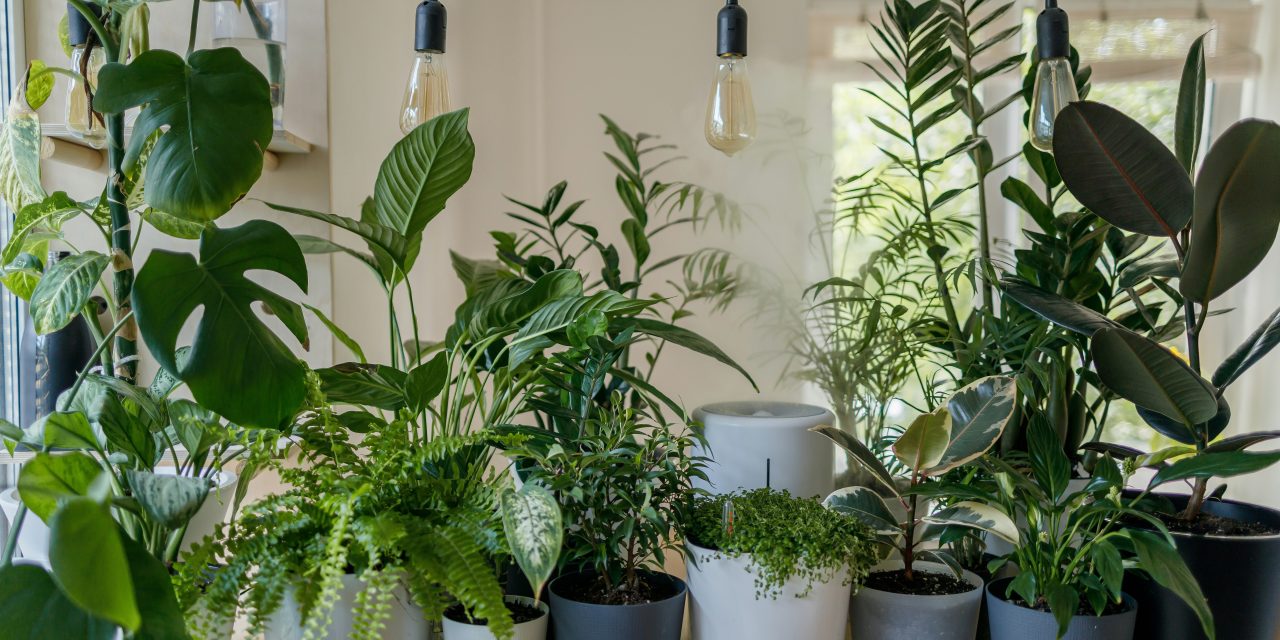
In today’s fast-paced world, many individuals find themselves juggling multiple responsibilities, leaving little time for nurturing complex hobbies such as gardening. However, the desire to incorporate greenery into living spaces remains strong, as houseplants not only enhance aesthetic appeal but also contribute to improved air quality and overall well-being. For busy households, selecting easy-to-care-for houseplants is essential. These resilient species require minimal maintenance while providing significant benefits, making them ideal companions for those with hectic lifestyles.
Choosing the right houseplants can transform a home into a serene oasis, promoting relaxation and mental clarity. Easy houseplants are characterized by their adaptability, low water requirements, and resistance to pests and diseases. By opting for these hardy varieties, individuals can enjoy the beauty of nature without the stress of constant upkeep. This article will explore ten exceptional houseplants that thrive in busy environments, highlighting their unique features and care requirements.
Snake Plant: The Resilient Air Purifier
The Snake Plant (Sansevieria trifasciata), also known as Mother-in-Law’s Tongue, is a popular choice among busy homeowners due to its remarkable resilience and air-purifying capabilities. This hardy succulent can tolerate low light conditions and infrequent watering, making it an ideal candidate for those who may forget to tend to their plants regularly. Its upright, sword-like leaves can grow up to 3 feet tall, adding a striking vertical element to any room.
One of the most significant advantages of the Snake Plant is its ability to improve indoor air quality. According to NASA’s Clean Air Study, this plant effectively removes toxins such as formaldehyde, benzene, and xylene from the air. Additionally, it performs photosynthesis at night, releasing oxygen and enhancing the overall atmosphere of your home. To care for a Snake Plant, simply place it in indirect sunlight and water it every two to six weeks, allowing the soil to dry out completely between waterings.
ZZ Plant: Low Maintenance and Stylish

The ZZ Plant (Zamioculcas zamiifolia) is another excellent option for busy households seeking low-maintenance greenery. With its glossy, dark green leaves and elegant growth habit, this plant adds a touch of sophistication to any space. The ZZ Plant thrives in low light conditions and requires minimal watering, making it perfect for those who may not have a green thumb.
This plant’s drought tolerance is one of its most appealing features; it can survive for weeks without water due to its thick rhizomes that store moisture. Additionally, the ZZ Plant is resistant to pests and diseases, further reducing the need for constant care. To ensure optimal growth, place the ZZ Plant in well-draining soil and water it only when the top inch of soil feels dry. With its striking appearance and minimal care requirements, the ZZ Plant is an ideal choice for busy individuals looking to enhance their living spaces.
Pothos: The Trailblazing Vine for Any Space

Pothos (Epipremnum aureum), often referred to as Devil’s Ivy, is a versatile vine that can thrive in various environments, making it a favorite among busy plant enthusiasts. This fast-growing species is known for its heart-shaped leaves that come in various shades of green and variegated patterns. Pothos can be trained to climb or allowed to trail from shelves or hanging baskets, providing endless design possibilities.
One of the key benefits of Pothos is its ability to adapt to different lighting conditions, from low light to bright indirect sunlight. Additionally, it requires infrequent watering—typically every 1-2 weeks—making it an excellent choice for those with limited time for plant care. Pothos is also recognized for its air-purifying properties, effectively removing indoor pollutants such as formaldehyde and carbon monoxide. To promote healthy growth, use a well-draining potting mix and prune regularly to encourage bushier growth.
Spider Plant: The Classic Beginner’s Favorite
The Spider Plant (Chlorophytum comosum) has long been celebrated as one of the best houseplants for beginners due to its forgiving nature and striking appearance. Characterized by its arching green leaves adorned with white stripes, this plant produces “pups” or offshoots that can be propagated easily. Spider Plants are adaptable and thrive in various lighting conditions, although they prefer bright, indirect light.
Caring for a Spider Plant is straightforward; it requires watering when the top inch of soil feels dry and benefits from occasional fertilization during the growing season. This plant is also known for its air-purifying abilities, effectively removing pollutants such as formaldehyde and xylene from indoor environments. With its charming appearance and ease of care, the Spider Plant is an excellent choice for busy households looking to introduce greenery into their lives.
Peace Lily: Elegant and Air-Cleaning Companion
The Peace Lily (Spathiphyllum spp.) is renowned for its elegant white blooms and lush green foliage, making it a popular choice for homes and offices alike. This plant thrives in low light conditions and requires minimal maintenance, making it suitable for busy individuals seeking a touch of elegance in their spaces. Peace Lilies are particularly effective at improving indoor air quality by filtering out harmful toxins such as ammonia and benzene.
To care for a Peace Lily, place it in indirect sunlight and water it when the top inch of soil feels dry. One of the most appealing aspects of this plant is its ability to signal when it needs water; drooping leaves indicate thirst, allowing owners to respond promptly. With proper care, Peace Lilies can bloom multiple times a year, adding beauty and tranquility to any environment.
Aloe Vera: Medicinal and Minimal Care Required
Aloe Vera (Aloe barbadensis miller) is not only a popular houseplant but also a well-known medicinal herb with numerous health benefits. This succulent features thick, fleshy leaves that store moisture, allowing it to thrive in dry conditions. Aloe Vera prefers bright indirect sunlight but can tolerate some direct sun exposure. Its low water requirements make it an ideal choice for busy individuals who may forget regular watering schedules.
In addition to being an attractive houseplant, Aloe Vera is prized for its soothing gel found within its leaves. This gel can be applied topically to treat minor burns, cuts, and skin irritations. To care for Aloe Vera, use well-draining soil and water sparingly—typically every three weeks—allowing the soil to dry out completely between waterings. With its dual purpose as both a decorative plant and a natural remedy, Aloe Vera is an excellent addition to any busy home.
Philodendron: Adaptable and Fast-Growing
Philodendrons are a diverse genus of plants known for their adaptability and rapid growth rates. With various species available, these plants can suit any interior design style while requiring minimal care. Philodendrons thrive in indirect light but can tolerate low-light conditions as well. Their heart-shaped leaves add a touch of elegance to any space while purifying indoor air by removing harmful toxins.
Caring for Philodendrons involves watering when the top inch of soil feels dry and providing occasional fertilization during the growing season. These plants are also relatively pest-resistant, making them suitable for busy households where time may be limited for pest management. With their lush foliage and ease of care, Philodendrons are an excellent choice for those looking to enhance their living spaces with minimal effort.
Rubber Plant: Tough and Attractive Foliage
The Rubber Plant (Ficus elastica) is known for its striking glossy leaves that can grow quite large, making it an eye-catching addition to any room. This hardy plant thrives in bright indirect light but can adapt to lower light conditions as well. Rubber Plants are relatively low-maintenance; they require watering only when the top inch of soil feels dry.
One of the key benefits of Rubber Plants is their ability to improve indoor air quality by filtering out toxins such as formaldehyde and benzene. Additionally, they are resistant to pests and diseases when properly cared for. To promote healthy growth, use well-draining soil and occasionally wipe down the leaves to remove dust buildup. With their attractive foliage and resilience, Rubber Plants are perfect for busy individuals seeking a stylish yet low-maintenance houseplant.
Jade Plant: The Succulent Symbol of Good Luck
The Jade Plant (Crassula ovata), often referred to as the “money tree,” is a popular succulent known for its thick, fleshy leaves that resemble coins—symbolizing prosperity and good fortune in many cultures. This plant thrives in bright light but can tolerate lower light levels as well. Jade Plants require minimal watering; allowing the soil to dry out completely between waterings helps prevent root rot.
In addition to being visually appealing, Jade Plants are relatively easy to propagate through leaf cuttings or stem cuttings, making them an excellent choice for those looking to expand their collection without much effort. To care for a Jade Plant effectively, use well-draining soil and provide occasional fertilization during the growing season. With their symbolism of good luck and minimal care requirements, Jade Plants are an ideal addition to any busy home.
Cast Iron Plant: Virtually Indestructible for Busy Lives
The Cast Iron Plant (Aspidistra elatior) lives up to its name by being one of the most resilient houseplants available today. Known for its ability to withstand neglect, low light conditions, and varying temperatures, this plant is perfect for busy individuals who may not have time for regular maintenance. The Cast Iron Plant features broad green leaves that add a touch of elegance to any space while requiring minimal care.
This hardy plant thrives in indirect light but can tolerate low-light environments without issue. Watering should be done when the top inch of soil feels dry; however, this plant can survive extended periods without water if necessary. The Cast Iron Plant is also resistant to pests and diseases, further reducing maintenance needs. With its durability and adaptability, this plant is an excellent choice for those seeking a virtually indestructible houseplant.
Tips for Thriving Houseplants in Busy Homes
Incorporating easy-care houseplants into busy homes can significantly enhance living spaces while promoting well-being through improved air quality and aesthetic appeal. By selecting resilient species such as Snake Plants, ZZ Plants, Pothos, Spider Plants, Peace Lilies, Aloe Vera, Philodendrons, Rubber Plants, Jade Plants, and Cast Iron Plants, individuals can enjoy the beauty of nature without overwhelming maintenance demands.
To ensure thriving houseplants in busy environments:
1. **Choose Low-Maintenance Varieties**: Select plants known for their resilience and adaptability.
2. **Understand Light Requirements**: Place plants in appropriate lighting conditions based on their needs.
3. **Water Wisely**: Allow soil to dry out between waterings; overwatering is a common mistake.
4. **Use Well-Draining Soil**: Ensure proper drainage to prevent root rot.
5. **Fertilize Sparingly**: Use fertilizer during the growing season but avoid over-fertilization.
6. **Monitor Health**: Regularly check plants for signs of pests or disease.
By following these tips and selecting suitable houseplants tailored to individual lifestyles, anyone can create a thriving indoor garden that enhances their home environment while fitting seamlessly into their busy lives.
FAQs
What are some examples of easy houseplants for beginners?
Some popular easy houseplants for beginners include pothos, snake plants, spider plants, peace lilies, and ZZ plants. These plants are known for their resilience and low maintenance requirements, making them ideal for those new to indoor gardening.
How often should I water easy houseplants?
The watering frequency for easy houseplants varies depending on the type of plant and environmental conditions. Generally, it’s best to water when the top inch of soil feels dry. Most easy houseplants prefer to dry out slightly between waterings, so overwatering should be avoided.
Do easy houseplants require special lighting conditions?
Many easy houseplants thrive in indirect sunlight and can adapt to low-light conditions. However, some may prefer brighter light. It’s important to research the specific light requirements of each plant to ensure optimal growth.
Can easy houseplants improve indoor air quality?
Yes, many easy houseplants can help improve indoor air quality by filtering toxins and releasing oxygen. Plants like peace lilies and snake plants are particularly known for their air-purifying abilities, making them beneficial additions to your home.
How do I care for easy houseplants during winter?
During winter, it’s important to adjust care for easy houseplants by reducing watering frequency, as plants typically require less water in cooler months. Additionally, ensure they receive adequate light and protect them from cold drafts to promote healthy growth.