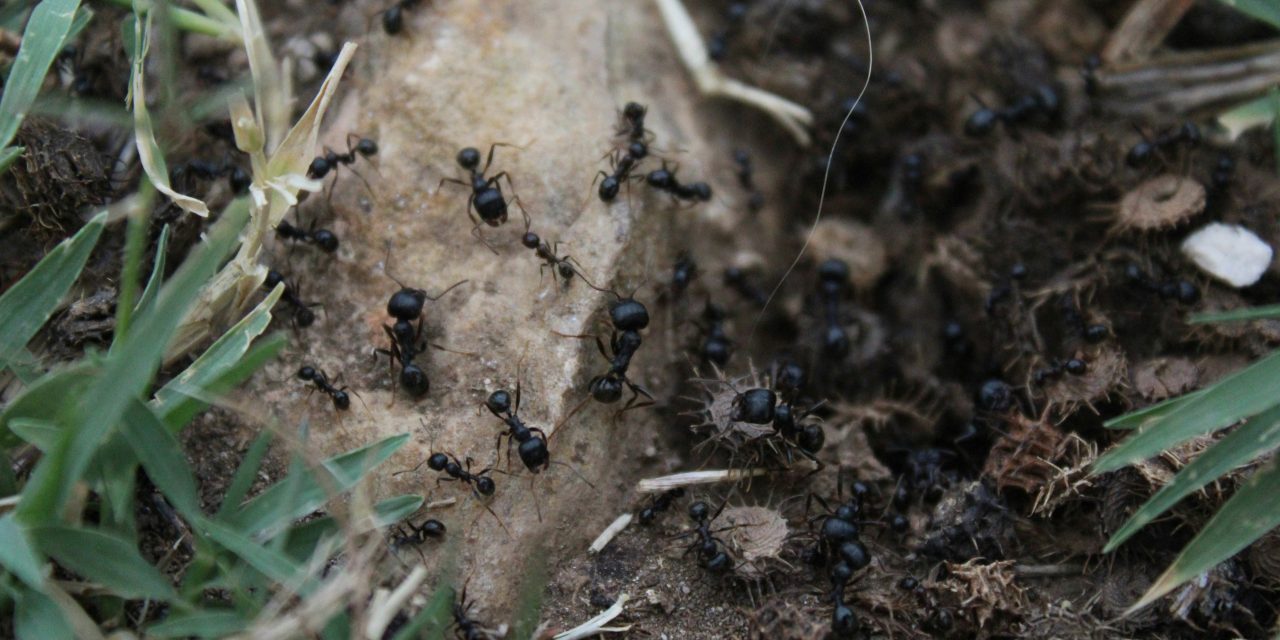
Fire ants, scientifically known as Solenopsis spp., are notorious for their aggressive behavior and painful stings. These insects construct distinctive mounds that serve as their nests, typically found in open, sunny areas. The mounds can vary in size, ranging from a few inches to several feet in diameter, and can reach heights of up to 18 inches. The structure of a fire ant mound is complex, consisting of numerous chambers and tunnels that facilitate the colony’s activities, including brood care, food storage, and reproduction.
Understanding the significance of fire ant mounds is crucial for homeowners and gardeners alike. These nests not only indicate the presence of a thriving colony but also pose potential risks to human health and local ecosystems. Fire ants are omnivorous scavengers, feeding on a variety of organic materials, which can lead to significant agricultural damage. Their aggressive nature makes them a threat to pets and children who may inadvertently disturb their nests. Therefore, recognizing and managing fire ant mounds is essential for maintaining a safe and healthy environment.
Identifying Fire Ant Mounds in Your Yard
Identifying fire ant mounds is the first step in managing these pests effectively. Fire ant mounds are typically characterized by their loose, crumbly soil structure, which is often devoid of vegetation. Unlike other ant species, fire ants do not create visible entrances; instead, they build their nests underground, with only the mound’s surface visible. The mounds may appear as small hills or raised areas in your yard, often with a smooth top that can be easily disturbed.
To confirm the presence of fire ants, observe the mound closely for activity. Fire ants are known for their rapid response to disturbances; if you poke the mound with a stick or your foot, you may see ants swarming out aggressively. Additionally, look for signs of foraging trails leading to and from the mound, as these indicate that the colony is actively seeking food sources. Recognizing these signs early can help you take appropriate action before the infestation escalates.
The Risks of Fire Ant Mounds to People and Pets

The risks associated with fire ant mounds extend beyond mere annoyance; they can pose serious health hazards to both humans and pets. Fire ants are known for their painful stings, which can cause immediate burning sensations followed by intense itching and swelling. In some cases, individuals may experience severe allergic reactions, leading to anaphylaxis—a life-threatening condition that requires immediate medical attention.
Pets are equally vulnerable to fire ant stings. Dogs and cats may inadvertently disturb a mound while playing outdoors, resulting in multiple stings that can cause significant pain and distress. Symptoms in pets may include excessive licking of the affected area, swelling, or even behavioral changes due to discomfort. It is essential for pet owners to monitor their animals closely when outdoors and take preventive measures to minimize exposure to fire ant mounds.
When to Take Action: Assessing the Severity of the Infestation

Determining when to take action against fire ant mounds involves assessing the severity of the infestation. A single mound may not warrant immediate intervention; however, multiple mounds or increased activity levels indicate a more significant problem. If you notice several mounds within close proximity or observe aggressive behavior from the ants, it is time to consider treatment options.
Additionally, consider the impact of the infestation on your daily life. If fire ants are interfering with outdoor activities or posing risks to children and pets, prompt action is necessary. Monitoring the mounds over time can provide insight into their growth and activity levels. Regular inspections will help you gauge whether the infestation is worsening or if your management efforts are effective.
Protective Gear: How to Prepare Before Handling Fire Ant Mounds
Before attempting to manage fire ant mounds, it is crucial to equip yourself with appropriate protective gear. This preparation minimizes the risk of stings during treatment efforts. Essential protective items include long pants, long-sleeved shirts, gloves, and closed-toe shoes. Wearing light-colored clothing can also help you spot any ants that may crawl onto your attire.
In addition to clothing, consider using insect repellent containing DEET or permethrin on exposed skin and clothing. This added layer of protection can deter fire ants from approaching you while you work on treating the mounds. Always remain vigilant and avoid direct contact with the mounds until you are fully prepared to address them safely.
Safe DIY Methods for Treating Fire Ant Mounds
For homeowners seeking safe DIY methods for treating fire ant mounds, several options exist that can effectively reduce ant populations without resorting to harsh chemicals. One popular method involves boiling water; pouring boiling water directly onto the mound can kill many ants instantly and disrupt their nest structure. However, this method may not eliminate the entire colony.
Another effective DIY approach is using a mixture of dish soap and water. Combine two tablespoons of dish soap with a gallon of water and pour it over the mound. The soap suffocates ants by blocking their breathing pores while also disrupting their nest structure. This method is particularly useful for smaller infestations but may require multiple applications for complete eradication.
Using Chemical Treatments: What You Need to Know
When DIY methods prove insufficient or impractical, chemical treatments may be necessary for effective fire ant control. Various insecticides are available specifically designed for fire ant management, including baits and granular formulations. Baits contain slow-acting toxins that worker ants carry back to the colony, ultimately affecting the queen and other members.
When selecting a chemical treatment, it is essential to read labels carefully and follow application instructions precisely. Granular insecticides should be applied directly to the mound and watered in lightly to activate the product. Baits should be placed near active mounds but not directly on them; this encourages foraging ants to consume the bait without immediate disturbance.
Natural and Eco-Friendly Alternatives for Fire Ant Control
For environmentally conscious homeowners, natural and eco-friendly alternatives exist for controlling fire ant populations without resorting to synthetic chemicals. One such method involves using diatomaceous earth (DE), a natural powder made from fossilized algae that dehydrates insects upon contact. Sprinkling DE around active mounds can effectively reduce ant populations over time.
Another option is using essential oils known for their insect-repelling properties, such as peppermint or tea tree oil. Mixing these oils with water and spraying them around the mound can deter fire ants from returning while providing a pleasant aroma for humans. These natural solutions offer effective alternatives while minimizing environmental impact.
Preventing Future Fire Ant Mound Formation in Your Yard
Preventing future fire ant mound formation requires proactive measures aimed at reducing favorable conditions for nesting. Maintaining a well-manicured lawn by regularly mowing grass and removing debris can discourage fire ants from establishing colonies in your yard. Additionally, keeping mulch levels low and avoiding excessive watering can help deter these pests.
Implementing barriers such as landscaping fabric or gravel around garden beds can also prevent fire ants from encroaching on cultivated areas. Regular inspections of your property will allow you to identify potential nesting sites early on and take action before infestations occur.
When to Call a Professional Pest Control Service
In cases where infestations become overwhelming or DIY methods fail to yield results, it may be time to enlist the help of a professional pest control service. Trained technicians possess specialized knowledge and access to advanced treatments that can effectively eliminate fire ant colonies while ensuring safety for humans and pets.
Professional services often conduct thorough inspections to assess the extent of the infestation before recommending tailored treatment plans. They can also provide ongoing monitoring and preventive measures to ensure that fire ants do not return after treatment.
Post-Treatment Care: Monitoring and Maintaining a Fire Ant-Free Yard
After implementing treatment measures against fire ants, ongoing monitoring is essential for maintaining a pest-free yard. Regularly inspect previously treated areas for signs of new activity or mound formation. If new mounds appear, prompt action should be taken to address them before they escalate into larger infestations.
Additionally, consider implementing preventive measures discussed earlier in this article to minimize future risks associated with fire ants. By maintaining vigilance and employing proactive strategies, homeowners can enjoy their outdoor spaces without the threat posed by these aggressive pests.
In summary, understanding fire ant mounds is crucial for effective management of these pests in residential areas. Identifying mounds early allows homeowners to assess risks associated with infestations while taking appropriate action through safe DIY methods or professional services when necessary. By employing preventive measures and monitoring treated areas diligently, individuals can maintain a safe environment free from fire ants’ harmful effects on people and pets alike.
FAQs
What are fire ant mounds and how do they form?
Fire ant mounds are large, dome-shaped structures created by fire ants as they build their underground nests. These mounds can vary in size and are typically made of soil that the ants excavate from their tunnels. Fire ants are social insects that work together to construct these mounds, which serve as a protective environment for their colony.
Are fire ants dangerous to humans and pets?
Yes, fire ants can be dangerous to humans and pets. Their bites are painful and can lead to allergic reactions in some individuals. When threatened, fire ants will sting multiple times, injecting venom that can cause itching, burning, and swelling. In severe cases, stings can lead to anaphylaxis, which requires immediate medical attention.
How can I safely remove fire ant mounds from my yard?
To safely remove fire ant mounds, you can use a combination of bait and insecticides specifically designed for fire ants. It’s important to follow the manufacturer’s instructions carefully. Alternatively, you can also consider natural methods, such as pouring boiling water over the mound or using diatomaceous earth, but these methods may not be as effective. Always wear protective clothing and avoid disturbing the mound directly.
What preventive measures can I take to avoid fire ant infestations?
To prevent fire ant infestations, keep your yard clean and free of debris, as this can attract ants. Regularly check for and eliminate any food sources, such as pet food or spilled seeds. Additionally, consider creating barriers, such as using mulch or landscaping fabric, to deter ants from nesting in your yard.
When is the best time to treat fire ant mounds?
The best time to treat fire ant mounds is during the warmer months, typically in late spring to early fall, when the ants are most active. Treatments are most effective when applied in the early morning or late afternoon when temperatures are cooler and the ants are more likely to be foraging outside the mound.