Ants are industrious insects that thrive in various environments, and their attraction to human dwellings, particularly around foundations, can be attributed to several factors. The primary reason ants invade homes is the search for food, water, and shelter. Foundations often provide a stable environment that is conducive to their survival. The warmth generated by the structure can create a microclimate that is appealing during colder months. Additionally, the proximity of the foundation to soil allows ants to establish colonies nearby, making it easier for them to access resources.
Another significant factor is the presence of pheromones, which are chemical signals used by ants to communicate. When a scout ant discovers a food source, it releases pheromones along its path back to the colony, effectively marking a trail for other ants to follow. This behavior can lead to an influx of ants around your home’s foundation as they exploit any available resources. Understanding these behaviors is crucial for homeowners seeking to mitigate ant infestations effectively.
Identifying Common Ant Species Near Foundations
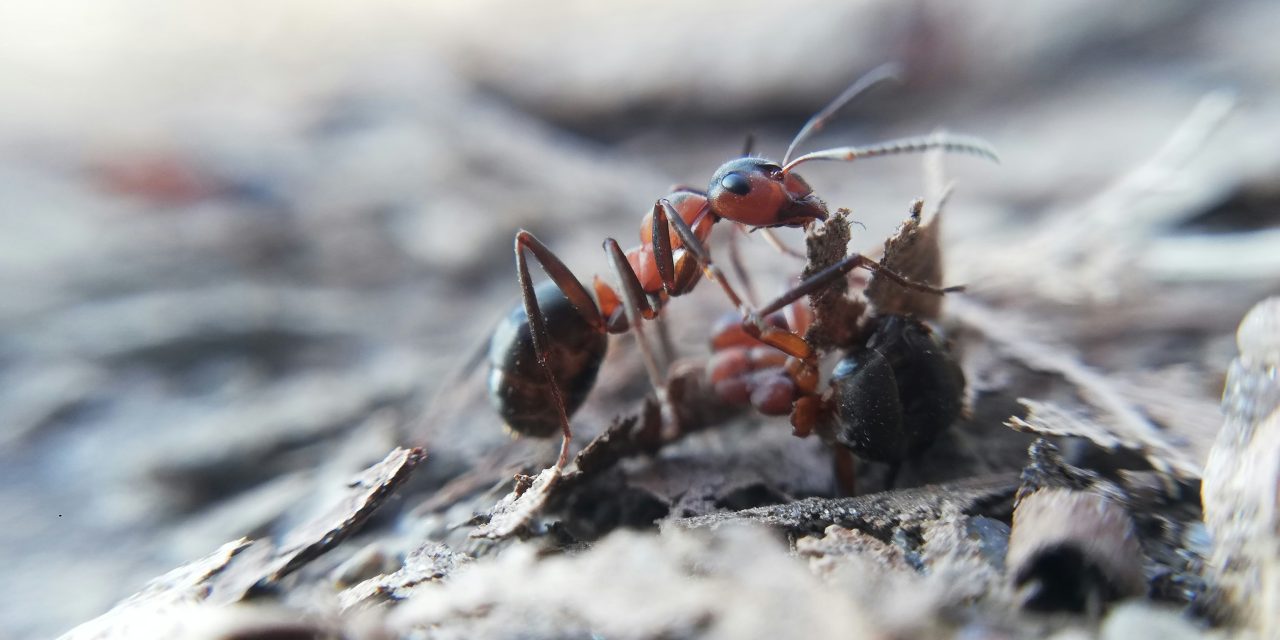
Several ant species are commonly found near residential foundations, each with unique behaviors and preferences. The most prevalent include the Carpenter Ant (Camponotus spp.), which is notorious for nesting in wood and can cause structural damage if left unchecked. These ants are typically black or bicolored and prefer moist environments, making them a significant concern for homeowners.
Another common species is the Odorous House Ant (Tapinoma sessile), identifiable by its small size and dark coloration. These ants emit a distinctive odor when crushed, reminiscent of rotten coconuts. They are attracted to sugary substances and often invade homes in search of food. The Pavement Ant (Tetramorium caespitum) is also frequently encountered; these ants build nests in cracks of pavement and can easily migrate toward foundations in search of sustenance.
Inspecting Your Home’s Foundation for Entry Points

A thorough inspection of your home’s foundation is essential in identifying potential entry points for ants. Begin by examining the exterior walls for cracks, gaps, or holes that may serve as access routes. Pay close attention to areas around windows, doors, and utility lines where openings may exist. Even the smallest crevices can provide entry for these determined insects.
Additionally, inspect the interior of your home, particularly in basements and crawl spaces, where moisture levels may be higher. Look for signs of ant activity such as trails or discarded wings from swarming ants. Documenting these findings will help you prioritize areas that require immediate attention and remediation.
Removing Food and Water Sources That Attract Ants

One of the most effective strategies for preventing ant infestations is eliminating food and water sources that attract them. Start by maintaining a clean kitchen environment; promptly clean up spills and crumbs, store food in airtight containers, and regularly empty trash bins. Pet food should also be stored securely and not left out overnight.
Water sources are equally enticing for ants. Inspect your home for leaks in plumbing fixtures or appliances that may create damp areas conducive to ant activity. Ensure that sinks, bathtubs, and other water sources are dried after use. By addressing these factors, you can significantly reduce the likelihood of attracting ants to your home.
Sealing Cracks and Gaps in the Foundation and Walls
Once potential entry points have been identified, sealing cracks and gaps is crucial in preventing ant ingress. Use high-quality caulk or sealant to fill any openings found during your inspection. Pay special attention to areas around windows, doors, and where pipes enter the home. This not only deters ants but also enhances energy efficiency by preventing drafts.
In addition to caulking, consider using weather stripping on doors and windows to create a tighter seal. Regular maintenance of these barriers is essential; inspect them periodically for wear and tear, replacing them as necessary to maintain their effectiveness.
Maintaining Proper Drainage and Moisture Control
Proper drainage around your home’s foundation is vital in preventing ant infestations. Ensure that gutters and downspouts are functioning correctly and directing water away from the foundation. Clogged gutters can lead to water pooling near the base of your home, creating an inviting environment for ants.
Moreover, landscaping should be designed with drainage in mind. Avoid planting shrubs or flowers too close to the foundation, as this can trap moisture against the walls. Instead, create a slope away from the foundation to facilitate water runoff. Implementing these measures will help maintain a dry environment that is less attractive to ants.
Using Natural Ant Repellents Around the Foundation
Natural ant repellents can be an effective way to deter these pests without resorting to harsh chemicals. Substances such as diatomaceous earth, vinegar, and essential oils like peppermint or tea tree oil have proven beneficial in repelling ants. Diatomaceous earth works by dehydrating insects upon contact, while vinegar disrupts their pheromone trails.
To use these natural repellents effectively, sprinkle diatomaceous earth around potential entry points or create a vinegar solution to spray along the foundation perimeter. Essential oils can be mixed with water and applied similarly. Regular application will enhance their effectiveness in keeping ants at bay.
Applying Chemical Barriers Safely and Effectively
In cases where natural methods are insufficient, chemical barriers may be necessary to control ant populations effectively. Insecticides specifically formulated for ant control can be applied around the foundation perimeter to create a protective barrier. It is crucial to select products labeled for outdoor use and follow all safety instructions provided by the manufacturer.
When applying chemical treatments, ensure that pets and children are kept away from treated areas until it is safe to return. Additionally, consider using bait stations that attract ants while minimizing exposure to non-target species. These stations allow ants to carry poison back to their colonies, effectively reducing populations over time.
Keeping Landscaping Away from the Foundation
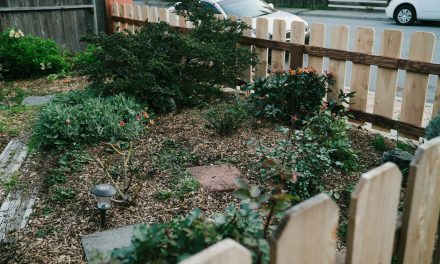
Landscaping plays a significant role in pest management around your home’s foundation. Overgrown vegetation can provide shelter for ants and other pests while also trapping moisture against the walls. To mitigate this risk, maintain a clear zone of at least 12 inches between plants and the foundation.
Regularly trim shrubs and trees to prevent them from touching the house, as branches can serve as bridges for ants seeking entry points. Additionally, consider using gravel or mulch as ground cover in this area; these materials can deter ant activity while enhancing drainage.
Regularly Cleaning and Monitoring for Early Signs of Infestation
Proactive monitoring is essential in preventing ant infestations from becoming established within your home. Regularly inspect both the interior and exterior of your property for signs of ant activity such as trails or nests. Early detection allows for prompt intervention before populations escalate.
In addition to visual inspections, consider implementing routine cleaning practices that target potential nesting sites within your home. Vacuuming regularly can help eliminate food particles while also disrupting any developing colonies hidden within walls or furniture.
When to Call a Professional Pest Control Service
Despite diligent efforts at prevention and control, some infestations may require professional intervention. If you notice persistent ant activity despite implementing preventive measures or if you suspect a large colony has established itself within your home’s structure, it may be time to consult a pest control expert.
Professional pest control services possess specialized knowledge and tools necessary for effectively managing ant populations. They can conduct thorough inspections, identify species-specific behaviors, and apply targeted treatments that are safe for your family and pets while ensuring long-term results.
In summary, understanding why ants are attracted to your home’s foundation is crucial in developing effective prevention strategies. Identifying common species, inspecting for entry points, removing food sources, sealing gaps, maintaining drainage, using natural repellents, applying chemical barriers safely, managing landscaping, cleaning regularly, and knowing when to call professionals are all integral components of an effective pest management plan. By taking proactive measures, homeowners can significantly reduce the risk of ant infestations while maintaining a healthy living environment.
FAQs
What are some common attractants for ants around a home’s foundation?
Common attractants for ants include food sources such as crumbs, pet food, and spilled liquids. Additionally, moisture from leaky pipes or standing water can draw ants to your home’s foundation, as they seek out water sources for survival.
How can I seal entry points to prevent ants from entering my home?
To seal entry points, inspect your home’s foundation for cracks and gaps. Use caulk or expanding foam to fill these openings. Additionally, ensure that windows and doors are properly fitted and consider installing door sweeps to block potential entry points.
What landscaping practices can help deter ants from my home’s foundation?
Maintaining a clean and dry landscape can help deter ants. Trim back shrubs and trees that touch your home, as they can provide a bridge for ants. Additionally, avoid using mulch near the foundation, as it can retain moisture and attract ants.
Are there natural repellents I can use to keep ants away?
Yes, natural repellents such as vinegar, essential oils (like peppermint or tea tree oil), and diatomaceous earth can be effective in deterring ants. Spraying a mixture of vinegar and water around the foundation or applying diatomaceous earth can create barriers that ants are reluctant to cross.
When should I consider calling a pest control professional for ant problems?
If you notice a persistent ant infestation that you cannot manage with DIY methods, or if the ants are entering your home in large numbers, it may be time to call a pest control professional. They can assess the situation and provide targeted treatments to eliminate the problem effectively.