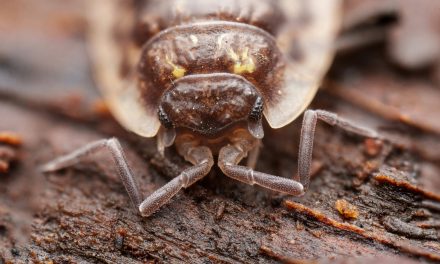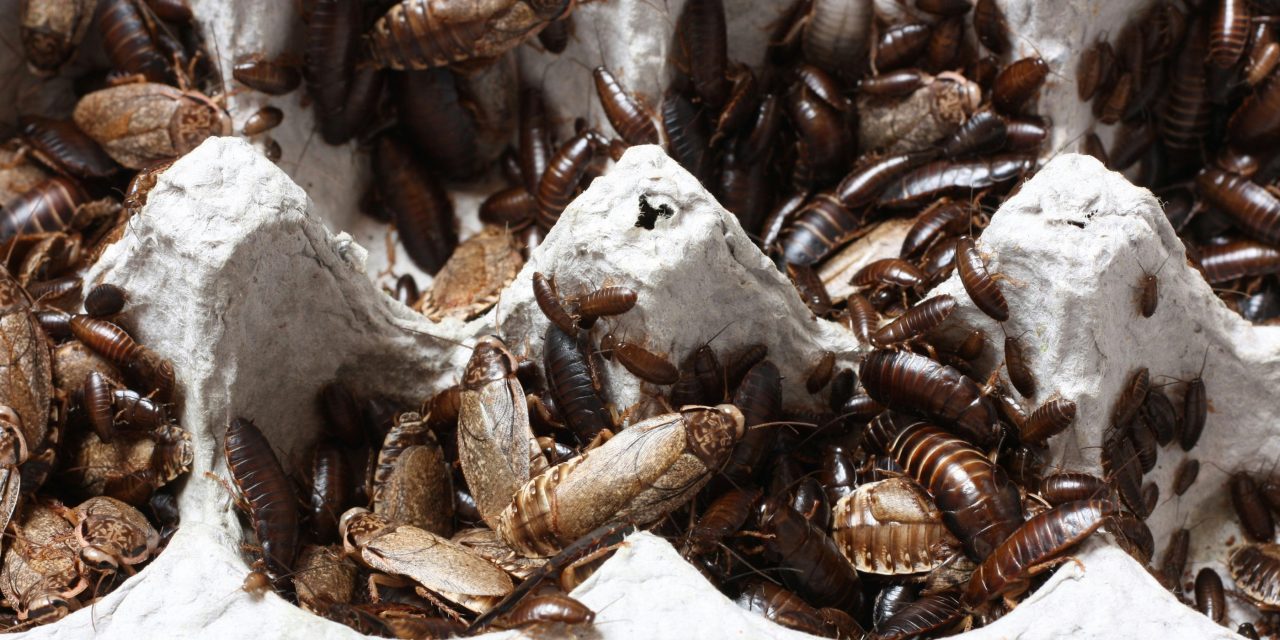
Termites are social insects belonging to the order Isoptera, primarily known for their wood-eating habits. These pests play a crucial role in the ecosystem by breaking down cellulose from dead trees and plant matter, thus contributing to nutrient cycling. However, their destructive tendencies can lead to significant structural damage in residential and commercial properties. Termites thrive in warm, humid environments, making them particularly prevalent in regions with temperate climates. Their colonies can range from a few hundred to millions of individuals, depending on the species and environmental conditions.
The life cycle of termites consists of three main stages: egg, nymph, and adult. The reproductive caste includes the queen and king, responsible for producing offspring, while workers and soldiers perform tasks such as foraging for food and defending the colony. Understanding the biology and behavior of termites is essential for effective management and prevention strategies. Their ability to remain hidden within structures makes early detection challenging, emphasizing the need for vigilance among property owners.
Common Types of Termites to Watch For
There are several species of termites that pose a threat to wooden structures, with the most common being Subterranean, Drywood, and Dampwood termites. Subterranean termites (Reticulitermes spp.) are the most destructive, residing underground and creating extensive tunnel systems to access food sources. They require moisture from the soil, making them prevalent in areas with high humidity. Drywood termites (Incisitermes spp.) infest dry wood and do not require contact with the soil, often found in attics or wooden furniture. Dampwood termites (Zootermopsis spp.) prefer decaying wood with high moisture content, typically found in areas with poor drainage.
Each species exhibits unique behaviors and nesting habits, which can influence control measures. For instance, Subterranean termites are known for their aggressive foraging behavior, while Drywood termites can remain undetected for years due to their concealed galleries within wood. Understanding these distinctions is vital for homeowners to implement appropriate preventive measures and treatments.
Identifying Mud Tubes Around Your Property

Mud tubes are a telltale sign of subterranean termite activity. These structures serve as protective tunnels that allow termites to travel between their underground colonies and above-ground food sources without exposure to predators or environmental conditions. Typically constructed from soil, wood particles, and termite saliva, mud tubes can be found along foundation walls, in crawl spaces, or even on wooden beams.
To identify mud tubes, homeowners should conduct regular inspections around their property. Look for pencil-sized tubes that may appear as irregular lines on walls or surfaces. If mud tubes are discovered, it is crucial to avoid disturbing them until a professional assessment can be made. The presence of these tubes indicates an active infestation that requires immediate attention to prevent further damage.
Spotting Discarded Wings Near Windows and Doors

During swarming season, reproductive termites leave their colonies to mate and establish new colonies. This event typically occurs in the spring or early summer when conditions are favorable. As they swarm, these termites shed their wings, leaving behind discarded remnants near windows, doors, or other entry points.
Homeowners should be vigilant in monitoring for these wings, which are often translucent and about half an inch long. The presence of discarded wings is a strong indicator of a nearby termite colony and potential infestation. If found in significant numbers, it is advisable to consult a pest control professional for further evaluation and treatment options.
Recognizing Hollow-Sounding Wood
One of the most alarming signs of termite damage is hollow-sounding wood. When termites consume wood from the inside out, they create hollow galleries that compromise the structural integrity of wooden beams, floors, and furniture. Tapping on wooden surfaces can reveal this hollow sound, indicating potential infestation.
To assess wood for signs of termite damage, use a screwdriver or similar tool to gently tap on various surfaces. If the sound produced is dull or hollow compared to surrounding areas, it may suggest that termites have been active within that wood. Early detection is crucial; therefore, homeowners should take immediate action if hollow-sounding wood is identified.
Detecting Small Holes or Blisters in Wood Surfaces
Small holes or blisters on wooden surfaces can indicate termite activity or damage. These openings are often created by worker termites as they exit their tunnels to forage for food or by swarmers during mating season. Blisters may also form as a result of moisture accumulation due to termite activity.
Inspecting wooden surfaces for these signs is essential for early detection of infestations. Homeowners should pay close attention to areas where wood meets moisture sources or where previous damage has occurred. If small holes or blisters are observed, it is advisable to consult with pest control experts who can conduct a thorough inspection and recommend appropriate treatment options.
Observing Swarmers During Termite Season
Swarmers are winged reproductive termites that emerge from established colonies during mating season. Their appearance is often a cause for concern among homeowners as it signifies potential infestations nearby. Swarming typically occurs during warm evenings after rainfall when humidity levels are high.
Swarmers can be identified by their dark brown or black bodies and two pairs of wings that are equal in size. Observing these insects around windows or doors is a clear indication that a colony may be nearby. Homeowners should take immediate action if swarmers are spotted; contacting pest control professionals can help assess the situation and implement necessary treatments.
Checking for Sagging Floors or Ceilings
Sagging floors or ceilings can be a significant indicator of termite damage within a structure. As termites consume wood beams and supports, they weaken the structural integrity of the building, leading to noticeable sagging or bowing in floors and ceilings.
Homeowners should regularly inspect their properties for signs of sagging or uneven surfaces. If such issues are detected, it is crucial to address them promptly by consulting with structural engineers or pest control professionals who can evaluate the extent of damage and recommend appropriate repairs or treatments.
Noticing Frass: Termite Droppings Around Wood
Frass refers to termite droppings that resemble small pellets or sawdust-like material found near infested wood surfaces. This waste product is often an indication of active termite feeding within wooden structures. The presence of frass suggests that termites have been consuming wood in the vicinity.
Homeowners should be vigilant in inspecting areas where wood meets soil or where previous infestations have occurred. If frass is discovered, it is essential to take immediate action by contacting pest control experts who can conduct a thorough inspection and implement effective treatment strategies.
Inspecting Wooden Structures for Cracks and Damage
Regular inspections of wooden structures are vital for identifying potential termite infestations early on. Homeowners should look for cracks in wooden beams, posts, or siding that may indicate structural weakness caused by termite activity. Additionally, any signs of discoloration or warping should be noted as they may suggest moisture issues conducive to termite infestations.
Conducting routine inspections can help homeowners catch potential problems before they escalate into significant damage. If any cracks or signs of damage are observed, it is advisable to consult with pest control professionals who can assess the situation and recommend appropriate treatment options.
When to Call a Professional for Termite Inspection
Recognizing the signs of termite activity is crucial for homeowners; however, determining when to call a professional for inspection can be challenging. If any indicators such as mud tubes, discarded wings, hollow-sounding wood, frass, or sagging structures are observed, it is essential to seek expert assistance promptly.
Professional pest control services possess the knowledge and tools necessary to conduct thorough inspections and identify hidden infestations effectively. They can also provide tailored treatment plans based on the specific type of termite present and the extent of damage incurred. Homeowners should prioritize regular inspections as part of their property maintenance routine to mitigate potential risks associated with termite infestations.
In summary, understanding termites involves recognizing their biology and behavior while being vigilant about signs of infestation around your property. Common types include Subterranean, Drywood, and Dampwood termites; each requiring specific management strategies. Identifying mud tubes, discarded wings, hollow-sounding wood, small holes in surfaces, sagging structures, frass, and swarmers during mating season are critical indicators of potential infestations. Regular inspections and prompt action when signs are detected can help mitigate damage effectively while consulting professionals ensures comprehensive treatment solutions tailored to individual circumstances.
FAQs
What are the common signs of termite infestation?
Common signs of termite infestation include mud tubes on walls or foundations, discarded wings near windows or doors, hollow-sounding wood when tapped, and frass (termite droppings) that resemble sawdust or coffee grounds.
How can I differentiate between termites and other wood-destroying insects?
Termites typically leave behind mud tubes and have a soft body, while other wood-destroying insects like carpenter ants may leave behind sawdust and have a more segmented body. Additionally, termites consume wood from the inside out, leaving a hollow sound when tapped.
What should I do if I suspect a termite infestation?
If you suspect a termite infestation, it is important to contact a pest control professional for a thorough inspection. They can confirm the presence of termites and recommend appropriate treatment options to eliminate them.
Are there any preventative measures to avoid termite infestations?
Yes, preventative measures include reducing moisture around your home, sealing cracks and crevices, storing firewood away from the house, and regularly inspecting wooden structures for signs of damage or infestation.
How quickly can termites cause damage to a home?
Termites can cause significant damage to a home in a relatively short period, often within six months to a year, depending on the species and size of the colony. Early detection is crucial to minimize damage and repair costs.