In the culinary world, knives are not merely tools; they are extensions of a chef’s skill and artistry. A well-equipped kitchen should feature a selection of essential knives, each designed for specific tasks. The most fundamental knife is the chef’s knife, typically ranging from 8 to 10 inches in length. This versatile tool is ideal for chopping, slicing, and dicing a variety of ingredients, from vegetables to meats. A paring knife, usually around 3 to 4 inches long, is perfect for intricate tasks such as peeling fruits or deveining shrimp. Additionally, a serrated knife is indispensable for cutting through crusty bread or delicate pastries without crushing them.
Investing in high-quality knives made from durable materials such as high-carbon stainless steel ensures longevity and performance. Proper maintenance, including regular honing and occasional sharpening, is crucial to keep blades in optimal condition. Furthermore, utilizing a knife block or magnetic strip not only protects the blades but also enhances kitchen aesthetics. A well-maintained knife collection can significantly elevate culinary experiences, allowing for precision and efficiency in food preparation.
Versatile Cutting Boards: Protecting Your Surfaces
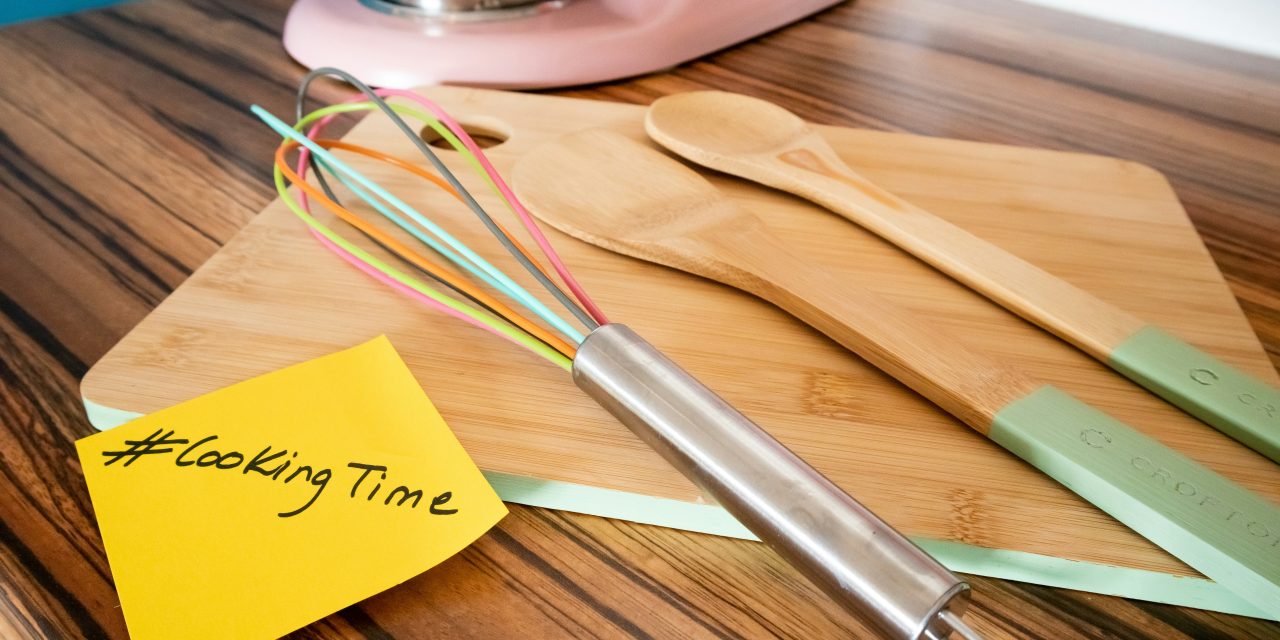
Cutting boards serve as the unsung heroes of any kitchen, providing a safe and sanitary surface for food preparation. Available in various materials such as wood, plastic, and bamboo, each type offers unique benefits. Wooden boards are favored for their durability and aesthetic appeal, while plastic boards are often preferred for their ease of cleaning and resistance to staining. Bamboo boards are an eco-friendly option that combines the best of both worlds.
To maintain hygiene and prevent cross-contamination, it is advisable to use separate cutting boards for raw meats and vegetables. Regular cleaning with hot soapy water and periodic sanitization with vinegar or bleach solutions can help eliminate harmful bacteria. Investing in multiple boards allows for versatility in food preparation while protecting countertops from scratches and damage. A well-chosen cutting board not only enhances functionality but also adds character to the kitchen environment.
High-Quality Measuring Cups and Spoons

Precision is paramount in cooking and baking, making high-quality measuring cups and spoons essential tools in any kitchen arsenal. Accurate measurements can mean the difference between a successful dish and a culinary disaster. Stainless steel measuring cups are durable and resistant to warping, while clear glass measuring cups allow for easy visibility of liquid measurements. Both options should feature clear markings for precise measurement.
In addition to standard measuring cups and spoons, investing in a set of nested measuring cups can save space while providing versatility for various recipes. For dry ingredients, consider using a set with both standard and metric measurements to accommodate international recipes. A digital kitchen scale can further enhance accuracy by allowing for weight-based measurements, which are often more reliable than volume-based ones. By ensuring precise measurements, cooks can achieve consistent results every time they step into the kitchen.
Durable Mixing Bowls for All Your Prep Needs

Mixing bowls are indispensable for any culinary endeavor, serving multiple purposes from combining ingredients to marinating meats. A well-rounded collection should include bowls of various sizes made from materials such as stainless steel, glass, or ceramic. Stainless steel bowls are lightweight and resistant to staining, making them ideal for everyday use. Glass bowls offer the advantage of being microwave-safe and allow for easy monitoring of contents.
When selecting mixing bowls, consider options with non-slip bases to prevent accidents during vigorous mixing or whisking. Additionally, nesting bowls can save valuable storage space while providing versatility for different tasks. Investing in high-quality mixing bowls ensures durability and functionality, allowing chefs to tackle any recipe with confidence.
Reliable Food Processor for Quick Chopping and Blending
A food processor is a game-changer in the kitchen, streamlining food preparation tasks that would otherwise be time-consuming. With powerful motors and various attachments, these appliances can chop vegetables, blend sauces, shred cheese, and even knead dough with ease. When selecting a food processor, consider models with multiple speed settings and a variety of blade options to accommodate different tasks.
The capacity of the food processor is another important factor; larger models can handle bigger batches, while compact versions are ideal for smaller kitchens or occasional use. Regular cleaning and maintenance are essential to ensure optimal performance over time. By incorporating a reliable food processor into your kitchen toolkit, you can significantly reduce prep time and enhance your cooking experience.
Non-Stick Skillets and Saucepans for Perfect Cooking
Non-stick cookware has revolutionized the way we cook by providing an easy-release surface that minimizes the need for excessive oils or fats. High-quality non-stick skillets and saucepans allow for effortless cooking of delicate items such as eggs or pancakes without the risk of sticking or burning. When selecting non-stick cookware, look for options made with PFOA-free coatings that ensure safety while maintaining excellent heat distribution.
Proper care is crucial to prolonging the life of non-stick cookware; avoid using metal utensils that can scratch the surface and opt for silicone or wooden tools instead. Hand washing with gentle sponges is recommended over abrasive cleaners to maintain the integrity of the non-stick coating. By incorporating non-stick skillets and saucepans into your cooking routine, you can achieve perfectly cooked meals with minimal fuss.
Precision Digital Kitchen Scale for Accurate Measurements
In the realm of cooking and baking, accuracy is key; hence, a precision digital kitchen scale is an invaluable tool for any serious home chef. Unlike traditional measuring cups that can yield inconsistent results based on packing or settling of ingredients, a digital scale provides exact measurements by weight. This is particularly important in baking where precision can significantly affect the outcome of baked goods.
When choosing a digital kitchen scale, look for features such as tare functions that allow you to subtract the weight of containers and easy-to-read displays that show measurements in both metric and imperial units. Many scales also come with built-in conversion features that simplify the process of switching between measurement systems. By utilizing a digital kitchen scale, you can ensure consistent results in your culinary creations.
Multi-Functional Immersion Blender
An immersion blender is a versatile tool that simplifies blending tasks directly within pots or bowls without the need for transferring ingredients to a traditional blender. This handy appliance is perfect for pureeing soups, emulsifying sauces, or whipping cream with minimal cleanup required afterward. Many immersion blenders come equipped with various attachments such as whisking tools or chopping bowls that expand their functionality even further.
When selecting an immersion blender, consider factors such as power levels and ergonomics to ensure comfortable handling during use. Models with detachable blending shafts facilitate easy cleaning and storage. By incorporating an immersion blender into your kitchen arsenal, you can streamline food preparation processes while achieving professional-quality results.
Handy Silicone Spatulas and Whisks
Silicone spatulas and whisks are essential tools that enhance both cooking efficiency and safety in the kitchen. Silicone spatulas are heat-resistant and flexible, making them ideal for scraping bowls clean or folding delicate mixtures without damaging them. Their non-stick properties ensure that they glide smoothly across surfaces without leaving residue behind.
Whisks made from silicone-coated wires provide excellent mixing capabilities while being gentle on non-stick cookware surfaces. They come in various shapes and sizes to accommodate different tasks—from whisking eggs to blending sauces—making them versatile additions to any kitchen toolkit. By incorporating high-quality silicone spatulas and whisks into your cooking routine, you can elevate your culinary skills while ensuring safety and ease of use.
Efficient Slow Cooker or Instant Pot for Easy Meals
Slow cookers and Instant Pots have transformed meal preparation by offering convenience without sacrificing flavor or nutrition. Slow cookers allow for hands-off cooking; simply add ingredients in the morning, set it on low heat, and return home to a delicious meal ready to serve. On the other hand, Instant Pots combine multiple cooking functions—pressure cooking, sautéing, steaming—into one appliance that significantly reduces cooking times.
When selecting either appliance, consider capacity based on your household size and cooking habits. Many models come equipped with programmable settings that allow you to customize cooking times and temperatures according to specific recipes. By incorporating either a slow cooker or Instant Pot into your kitchen routine, you can simplify meal preparation while enjoying flavorful dishes with minimal effort.
Smart Storage Solutions to Keep Your Kitchen Organized
An organized kitchen is essential for efficiency and ease of use during meal preparation. Smart storage solutions such as stackable containers, drawer organizers, and shelf risers can maximize space while keeping ingredients easily accessible. Clear containers allow you to quickly identify contents while minimizing clutter in cabinets or pantries.
Additionally, magnetic strips can be utilized to store knives or spice jars on walls or inside cabinet doors, freeing up valuable counter space while enhancing organization. Implementing smart storage solutions not only improves functionality but also creates an aesthetically pleasing environment conducive to culinary creativity.
In summary, equipping your kitchen with essential tools such as high-quality knives, versatile cutting boards, precise measuring instruments, durable mixing bowls, reliable food processors, non-stick cookware, digital scales, immersion blenders, silicone utensils, efficient slow cookers or Instant Pots, and smart storage solutions will significantly enhance your culinary experience. Each tool plays a vital role in ensuring efficiency, precision, safety, and organization within your cooking space—ultimately leading to delicious meals prepared with ease.
FAQ Section:
- What types of knives should I have in my kitchen?
- Essential knives include a chef’s knife (8-10 inches), paring knife (3-4 inches), serrated knife (for bread), boning knife (for meats), and utility knife (for general tasks).
- How do I maintain my knives?
- Regular honing keeps blades sharp; occasional professional sharpening is recommended. Store knives safely in blocks or magnetic strips to protect edges.
- What material is best for cutting boards?
- Wood offers durability; plastic is easy to clean; bamboo is eco-friendly. Use separate boards for raw meats and vegetables to prevent cross-contamination.
- Why are digital kitchen scales important?
- They provide precise measurements by weight rather than volume—crucial for baking where accuracy affects outcomes.
- Can I use metal utensils on non-stick cookware?
- Avoid metal utensils as they can scratch non-stick surfaces; opt for silicone or wooden tools instead.
- What features should I look for in a food processor?
- Look for multiple speed settings, various blade attachments, capacity suited to your needs, and ease of cleaning.
- How do I clean silicone spatulas?
- Silicone spatulas are dishwasher safe; however, hand washing with warm soapy water is recommended for longevity.
- What’s the difference between a slow cooker and an Instant Pot?
- Slow cookers cook meals over several hours at low heat; Instant Pots combine pressure cooking with other functions like sautéing or steaming for quicker meals.
- How can I maximize storage space in my kitchen?
- Use stackable containers; implement drawer organizers; utilize vertical space with shelf risers; consider magnetic strips for utensils.
- Are immersion blenders worth it?
- Yes! They offer convenience by blending directly in pots/bowls without transferring ingredients—ideal for soups or sauces.
By investing in these essential kitchen tools and understanding their proper use and maintenance, you can create an efficient cooking environment that fosters creativity while ensuring delicious results every time you cook.
FAQs
What are essential kitchen tools every home cook should have?
Essential kitchen tools include a chef’s knife, cutting board, measuring cups and spoons, mixing bowls, a vegetable peeler, a whisk, and a set of pots and pans. These tools help in preparing a wide variety of dishes efficiently.
How do kitchen gadgets differ from traditional kitchen tools?
Kitchen gadgets are often specialized tools designed to perform specific tasks, such as garlic presses, avocado slicers, or spiralizers. In contrast, traditional kitchen tools are more versatile and can be used for multiple cooking tasks, like knives and cutting boards.
Are there any kitchen tools that can save time while cooking?
Yes, tools like food processors, slow cookers, and instant pots can significantly reduce cooking time. Additionally, gadgets like mandolins for slicing vegetables quickly or immersion blenders for pureeing soups can also help streamline the cooking process.
What materials are best for kitchen tools and gadgets?
Common materials for kitchen tools include stainless steel, which is durable and resistant to rust; silicone, which is heat-resistant and non-stick; and wood, which is gentle on knife edges. Each material has its advantages depending on the specific use of the tool.
How can I maintain my kitchen tools and gadgets?
To maintain kitchen tools, regularly clean them after use, avoid using abrasive materials that can scratch surfaces, and store them properly to prevent damage. For knives, honing and sharpening regularly will keep them effective, while wooden tools should be oiled periodically to prevent drying out.