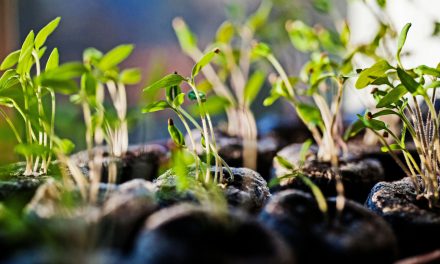
Hardening off seedlings is a crucial step in the gardening process, particularly for those who start their plants indoors before the last frost. This acclimatization phase allows young plants to transition from a controlled indoor environment to the more variable outdoor conditions. Seedlings that are not properly hardened off may experience transplant shock, which can lead to stunted growth, wilting, or even death. The hardening off process helps to strengthen the plants’ cellular structure, making them more resilient to environmental stressors such as temperature fluctuations, wind, and direct sunlight.
The physiological changes that occur during hardening off include the development of thicker cuticles and increased lignification of cell walls. These adaptations enhance the plant’s ability to retain moisture and withstand physical stress. Additionally, hardening off promotes root development, which is essential for nutrient uptake and overall plant health. By understanding the significance of this process, gardeners can ensure that their seedlings thrive once transplanted into their permanent outdoor locations.
When to Start the Hardening Off Process
Timing is critical when initiating the hardening off process. Generally, this procedure should begin about one to two weeks before the seedlings are scheduled to be transplanted outdoors. The specific timing may vary depending on the type of plants being grown and the local climate conditions. For instance, cool-season crops like lettuce and broccoli can be hardened off earlier in the spring, while warm-season crops such as tomatoes and peppers should wait until after the last frost date.
To determine the appropriate start time for hardening off, gardeners should monitor local weather patterns and soil temperatures. A consistent daytime temperature of around 60°F (15°C) is ideal for most seedlings. It is also essential to consider nighttime temperatures; if they drop significantly below 50°F (10°C), it may be wise to delay the hardening off process until conditions stabilize. By carefully assessing these factors, gardeners can optimize their seedlings’ chances of successful transplantation.
Choosing the Right Location for Hardening Off

Selecting an appropriate location for hardening off seedlings is vital for their successful acclimatization. Ideally, this area should provide partial shade during the hottest parts of the day while still allowing for exposure to natural light. A sheltered spot near a building or under a tree can offer protection from harsh sunlight and wind, which can be detrimental to young plants.
Additionally, it is essential to ensure that the chosen location has good air circulation. Stagnant air can lead to increased humidity levels, promoting fungal diseases such as damping-off. A well-ventilated area will help maintain optimal moisture levels around the seedlings while reducing the risk of disease. By carefully selecting a suitable location, gardeners can create an environment conducive to healthy seedling development.
Gradually Increasing Sunlight Exposure

One of the most critical aspects of hardening off seedlings is gradually increasing their exposure to sunlight. Sudden exposure to full sun can cause leaf scorch and other forms of damage due to the intense light and heat. To prevent this, gardeners should begin by placing seedlings in a shaded area for a few hours each day, gradually increasing their time in direct sunlight over a week or two.
A recommended approach is to start with just one hour of direct sunlight on the first day and then incrementally increase this exposure by one hour each subsequent day. By the end of the hardening off period, seedlings should be able to tolerate full sun exposure for several hours without adverse effects. This gradual acclimatization allows plants to develop protective pigments and adjust their photosynthetic processes, ensuring they are well-prepared for outdoor conditions.
Regulating Temperature Fluctuations
Temperature regulation is another critical factor during the hardening off process. Seedlings are particularly sensitive to extreme temperature fluctuations, which can lead to stress and hinder their growth. To mitigate this risk, gardeners should monitor both daytime and nighttime temperatures closely.
During the initial days of hardening off, it is advisable to keep seedlings in a location where they are shielded from cold drafts or excessive heat. If nighttime temperatures are expected to drop significantly, bringing seedlings indoors overnight can help protect them from potential damage. Conversely, if daytime temperatures soar, providing temporary shade can prevent overheating. By carefully managing temperature fluctuations, gardeners can promote healthy seedling development and reduce transplant shock.
Managing Wind and Air Circulation
Wind exposure can pose a significant challenge for young seedlings during the hardening off process. Strong winds can cause physical damage to delicate stems and leaves, leading to stunted growth or even death. To protect seedlings from wind stress, gardeners should choose a sheltered location that minimizes exposure while still allowing for adequate air circulation.
Creating windbreaks using lightweight materials such as burlap or garden fabric can also help shield seedlings from harsh gusts without completely obstructing airflow. Additionally, ensuring that seedlings are spaced appropriately will allow for better air circulation around each plant, reducing humidity levels and minimizing disease risk. By effectively managing wind exposure, gardeners can foster a more conducive environment for seedling acclimatization.
Adjusting Watering Practices During Hardening Off
Watering practices must be adjusted during the hardening off phase to accommodate changing environmental conditions. Seedlings transitioning outdoors may require different watering frequencies compared to their indoor counterparts due to increased evaporation rates and exposure to wind and sunlight.
Initially, it is essential to maintain consistent moisture levels in the soil without overwatering, as this can lead to root rot or other fungal diseases. As seedlings become acclimated to outdoor conditions, they may develop deeper root systems that allow them to access moisture more effectively. Gardeners should monitor soil moisture levels closely and adjust watering schedules accordingly, ensuring that seedlings receive adequate hydration without becoming waterlogged.
Protecting Seedlings from Pests and Harsh Weather
During the hardening off process, seedlings are vulnerable not only to environmental stressors but also to pests and harsh weather conditions. Implementing preventive measures is crucial for safeguarding young plants during this critical phase.
Using row covers or lightweight fabric can provide protection against pests such as aphids or caterpillars while still allowing light and moisture penetration. Additionally, applying organic insecticides or neem oil can help deter unwanted pests without harming beneficial insects. In terms of weather protection, providing temporary shelter during unexpected storms or extreme temperatures can prevent damage and ensure seedlings remain healthy throughout their acclimatization period.
Monitoring Seedling Health and Growth Daily
Daily monitoring of seedling health is essential during the hardening off process. Gardeners should observe for signs of stress such as wilting, discoloration, or stunted growth. Regularly checking soil moisture levels and adjusting watering practices accordingly will help maintain optimal conditions for seedling development.
Additionally, keeping an eye out for pests or diseases will allow for timely intervention if issues arise. Maintaining a gardening journal can be beneficial for tracking changes in seedling health over time and identifying patterns that may require adjustments in care practices. By diligently monitoring seedlings daily, gardeners can ensure they remain on track for successful transplantation.
Timing the Final Transplant for Optimal Success
The timing of the final transplant is crucial for ensuring optimal success in establishing seedlings in their permanent outdoor locations. Ideally, this should occur after all danger of frost has passed and when soil temperatures have warmed sufficiently for the specific plant varieties being grown.
Gardeners should also consider factors such as weather conditions on transplant day; overcast days with mild temperatures are often ideal for minimizing transplant shock. Additionally, transplanting in the late afternoon or early evening can help reduce stress on seedlings by avoiding peak sunlight hours. By carefully timing the final transplant, gardeners can enhance their chances of successful establishment in outdoor environments.
Troubleshooting Common Hardening Off Challenges
Despite careful planning and execution, challenges may arise during the hardening off process that require troubleshooting. Common issues include excessive wilting or leaf scorch due to inadequate acclimatization or sudden environmental changes.
If seedlings exhibit signs of stress, it may be necessary to temporarily return them indoors until conditions stabilize or provide additional shade during particularly hot days. Additionally, if pests become a problem despite preventive measures, targeted interventions such as insecticidal soap may be required to protect vulnerable plants.
By remaining vigilant and adaptable throughout the hardening off process, gardeners can effectively address challenges as they arise and ensure their seedlings are well-prepared for successful transplantation into outdoor environments.
In summary, hardening off seedlings is an essential practice that prepares young plants for outdoor conditions by gradually acclimatizing them to sunlight, temperature fluctuations, wind exposure, and other environmental factors. By starting this process at the right time and carefully managing various aspects such as location selection, watering practices, pest protection, and monitoring seedling health daily, gardeners can significantly enhance their chances of successful transplantation and robust plant growth in their gardens.
FAQs
What does it mean to harden off seedlings?
Harden off seedlings refers to the process of gradually acclimating young plants to outdoor conditions before transplanting them into the garden. This helps them adjust to factors such as sunlight, wind, and temperature changes, reducing transplant shock and increasing their chances of survival.
When should I start hardening off my seedlings?
Seedlings should typically be hardened off about 1 to 2 weeks before the last expected frost date in your area. This timing allows them to adapt to outdoor conditions while still being protected from cold temperatures.
What is the best method for hardening off seedlings?
The best method for hardening off seedlings involves gradually exposing them to outdoor conditions. Start by placing them outside in a shaded area for a few hours each day, gradually increasing their exposure to sunlight and outdoor temperatures over the course of a week or two.
How long should I harden off my seedlings?
Seedlings should be hardened off for about 7 to 14 days. The duration may vary depending on the type of plant and the conditions they are being exposed to. Monitor their response to the outdoor environment and adjust the hardening off period accordingly.
What signs indicate that my seedlings are ready for transplanting?
Signs that seedlings are ready for transplanting include sturdy stems, well-developed leaves, and a healthy appearance. Additionally, they should be able to tolerate a few hours of direct sunlight and should not show signs of stress, such as wilting or leaf burn, during the hardening off process.