
Eggs are a staple in many diets worldwide, revered for their versatility and nutritional value. They are rich in protein, vitamins, and minerals, making them an essential component of a balanced diet. However, the way eggs are stored can significantly impact their freshness and safety. In many countries, particularly in North America, eggs are typically refrigerated to prolong their shelf life and reduce the risk of foodborne illnesses. This practice stems from the understanding that eggs can harbor pathogens such as Salmonella, which can lead to severe gastrointestinal infections.
Refrigerated eggs are often subjected to strict quality control measures during production. These measures include washing and sanitizing the eggs before packaging, which helps eliminate surface contaminants. However, this process can also remove the natural protective coating known as the cuticle, which serves as a barrier against bacteria. Consequently, understanding the nuances of egg storage is crucial for consumers who wish to maintain the quality and safety of their eggs.
Why Refrigerate Eggs? The Science Behind It
The refrigeration of eggs is primarily driven by the need to inhibit bacterial growth and preserve freshness. Eggs are porous, allowing air and moisture to pass through their shells. When stored at room temperature, the risk of bacterial contamination increases, particularly from pathogens like Salmonella enteritidis. Refrigeration slows down the metabolic processes within the egg and significantly reduces the likelihood of bacterial proliferation.
The optimal temperature for storing eggs is between 33°F and 40°F (1°C to 4°C). At these temperatures, the growth of harmful bacteria is minimized, while enzymatic reactions that lead to spoilage are also slowed down. Additionally, refrigeration helps maintain the quality of the egg’s contents, including its texture and flavor. The cold environment prevents the egg whites from thinning and keeps the yolk centered, ensuring that the eggs remain suitable for various culinary applications.
Typical Shelf Life of Refrigerated Eggs

The shelf life of refrigerated eggs can vary based on several factors, including their initial quality and storage conditions. Generally, when stored properly in a refrigerator, eggs can remain fresh for about 3 to 5 weeks beyond their pack date. However, it is essential to note that this timeframe is not an absolute guarantee of freshness; rather, it serves as a guideline.
To determine the freshness of eggs, consumers can refer to the “sell by” or “expiration” dates printed on the carton. While these dates provide useful information, they do not necessarily indicate that eggs are unsafe to consume after they have passed. In fact, many eggs can still be perfectly edible weeks after these dates if they have been stored correctly. Conducting a simple water test—placing an egg in a bowl of water to see if it sinks or floats—can also help assess its freshness.
How to Properly Store Eggs in the Refrigerator
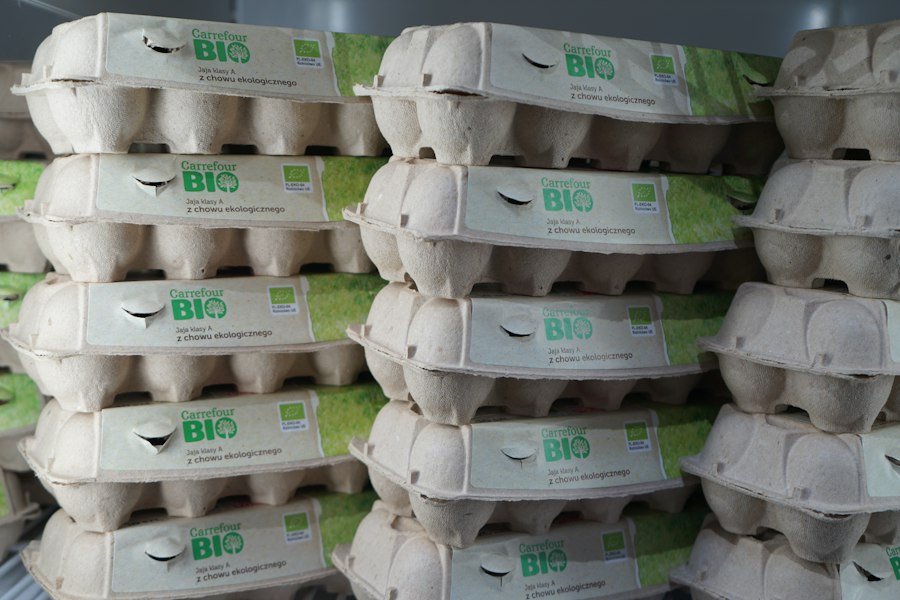
Proper storage techniques are vital for maximizing the shelf life of refrigerated eggs. To begin with, it is advisable to keep eggs in their original carton rather than transferring them to a different container. The carton provides protection from light and odors that can affect the flavor of the eggs. Additionally, it helps prevent moisture loss and minimizes the risk of contamination from other foods.
When placing eggs in the refrigerator, it is best to store them on a middle shelf rather than in the door. The temperature in the door fluctuates more due to frequent opening and closing, which can compromise egg quality. Keeping eggs at a consistent temperature helps maintain their freshness for a more extended period. Furthermore, it is essential to avoid washing eggs before storage, as this can remove their protective coating and increase susceptibility to bacterial contamination.
Factors That Affect the Shelf Life of Refrigerated Eggs
Several factors can influence how long refrigerated eggs remain fresh and safe for consumption. One significant factor is temperature stability; fluctuations in temperature can accelerate spoilage processes and promote bacterial growth. Therefore, maintaining a consistent refrigerator temperature is crucial for preserving egg quality.
Another factor is humidity levels within the refrigerator. High humidity can lead to moisture accumulation inside the egg carton, promoting mold growth and spoilage. Conversely, excessively dry conditions can cause eggs to lose moisture and become stale more quickly. Additionally, the age of the eggs at the time of purchase plays a role; fresher eggs will naturally have a longer shelf life than older ones.
Signs Your Refrigerated Eggs Have Gone Bad
Identifying spoiled eggs is essential for food safety. Several indicators can help consumers determine whether their refrigerated eggs have gone bad. One common sign is an off-putting odor; if an egg emits a sulfur-like smell when cracked open, it is best to discard it immediately.
Visual inspection is also crucial; any discoloration or unusual texture in the egg white or yolk may indicate spoilage. Additionally, if an egg floats during a water test—indicating that air has entered through its porous shell—it is likely no longer fresh and should not be consumed. Lastly, if there are any signs of mold or unusual growth on the shell or inside the egg, it is imperative to err on the side of caution and dispose of it.
The Role of Egg Packaging in Shelf Life
Egg packaging plays a significant role in extending shelf life and maintaining quality. The design of egg cartons is specifically intended to protect eggs from physical damage while minimizing exposure to light and odors that could compromise flavor. Most cartons are made from materials that provide insulation against temperature fluctuations.
Moreover, some packaging includes features such as moisture barriers or breathable materials that help regulate humidity levels within the carton. These innovations contribute to preserving freshness by preventing excessive moisture loss or accumulation that could lead to spoilage. Consumers should always choose cartons that are intact and free from damage to ensure optimal protection for their eggs.
The debate between refrigerated versus room temperature egg storage often centers around safety and quality considerations. In regions where eggs are washed before sale—such as in North America—refrigeration is essential due to the removal of the natural protective cuticle during processing. This practice leaves eggs vulnerable to bacterial contamination if stored at room temperature.
Conversely, in countries where eggs are sold unwashed—such as many European nations—room temperature storage is more common due to the intact cuticle providing a natural barrier against pathogens. However, even in these regions, refrigeration can extend shelf life and maintain quality for longer periods. Ultimately, consumers should adhere to local guidelines regarding egg storage practices while considering their preferences for freshness and safety.
Impact of Washing Eggs on Their Shelf Life
Washing eggs has both advantages and disadvantages concerning shelf life. On one hand, washing removes surface contaminants such as dirt or fecal matter that may harbor bacteria; this process enhances food safety by reducing potential health risks associated with consuming contaminated eggs. However, washing also strips away the natural protective cuticle that helps prevent bacterial entry into the egg.
As a result, washed eggs require refrigeration to mitigate risks associated with bacterial growth. In contrast, unwashed eggs retain their cuticle and can be safely stored at room temperature for short periods without significant risk of spoilage or contamination. Consumers should be aware of these differences when purchasing eggs and consider how they plan to store them based on whether they have been washed or not.
Tips to Maximize the Freshness of Refrigerated Eggs
To ensure that refrigerated eggs remain fresh for as long as possible, consumers can implement several practical strategies. First and foremost, always check expiration dates before purchasing eggs and select cartons with the latest pack dates available. This simple step ensures that you start with fresher products.
Additionally, avoid storing eggs near strong-smelling foods within the refrigerator; eggs can absorb odors easily due to their porous shells. Keeping them in their original carton helps mitigate this issue while providing protection from light exposure as well. Lastly, consider using a dedicated egg tray or container within your refrigerator that maintains consistent temperatures without frequent fluctuations caused by door openings.
Food Safety Guidelines for Handling Refrigerated Eggs
Food safety guidelines play a crucial role in preventing foodborne illnesses associated with egg consumption. First and foremost, always wash hands thoroughly with soap and water before handling raw eggs or any surfaces that come into contact with them. This practice minimizes cross-contamination risks.
When cooking with eggs, ensure they are cooked thoroughly until both whites and yolks are firm; this step effectively kills any potential pathogens present within them. Additionally, avoid consuming raw or undercooked eggs unless they have been pasteurized—a process that eliminates harmful bacteria while preserving nutritional value.
Lastly, always store leftover dishes containing eggs in airtight containers within the refrigerator and consume them within three days for optimal safety and quality.
In summary, understanding how to properly store refrigerated eggs is essential for maintaining their freshness and safety over time. By adhering to recommended practices regarding temperature control, packaging choices, and handling techniques—alongside being vigilant about signs of spoilage—consumers can enjoy this nutritious food source without compromising health standards or culinary experiences.
FAQs
What is the typical shelf life of refrigerated eggs?
Refrigerated eggs typically have a shelf life of about 3 to 5 weeks from the date of purchase. However, they can remain safe to eat beyond this period if stored properly, as long as there are no signs of spoilage.
How can I tell if refrigerated eggs have gone bad?
You can check if eggs have gone bad by performing a float test. Place the egg in a bowl of water; if it sinks and lays flat on the bottom, it is fresh. If it stands upright or floats, it is no longer good to eat. Additionally, check for any off smells or unusual appearances when cracking the egg open.
Do eggs need to be washed before refrigeration?
No, eggs should not be washed before refrigeration. Washing can remove the protective coating on the eggshell, making them more susceptible to bacteria. It is best to wash eggs just before use.
Can I freeze eggs to extend their shelf life?
Yes, you can freeze eggs to extend their shelf life. However, it is recommended to crack the eggs and beat them together before freezing, as whole eggs can expand and crack their shells during freezing. Frozen eggs can last up to a year in the freezer.
What is the best way to store refrigerated eggs?
The best way to store refrigerated eggs is in their original carton on a middle shelf of the refrigerator, rather than in the door. This helps maintain a consistent temperature and protects the eggs from absorbing strong odors from other foods.