Selecting an optimal location for your garden is paramount to its success. The ideal site should receive a minimum of six to eight hours of direct sunlight daily, as most vegetables thrive in bright light. Observe your yard throughout the day to identify areas that bask in sunlight, avoiding shaded spots created by trees, buildings, or fences. Additionally, consider the proximity to a water source, as easy access will facilitate regular irrigation.
Soil drainage is another critical factor when determining the perfect garden location. Avoid areas where water tends to pool after heavy rains, as this can lead to root rot and other moisture-related issues. Instead, opt for slightly elevated areas or slopes that promote drainage. Furthermore, consider the wind exposure; a sheltered spot can protect delicate plants from harsh winds that may damage foliage or uproot seedlings.
Decide What Vegetables to Grow
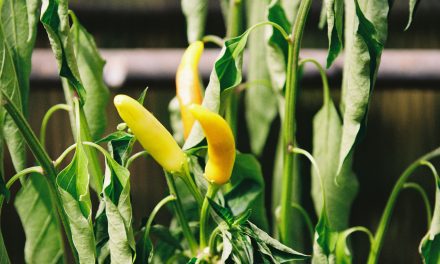
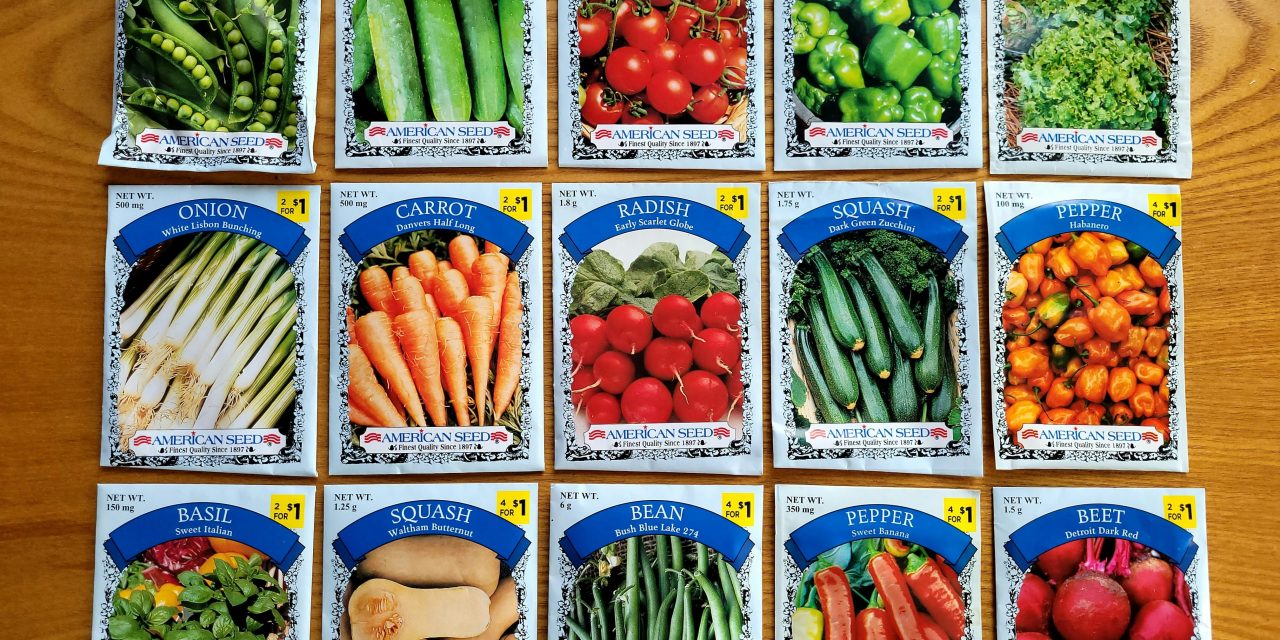
When deciding which vegetables to cultivate, consider your climate, soil type, and personal preferences. Research the hardiness zones in your area to determine which crops will flourish in your environment. For instance, cool-season crops like lettuce, spinach, and peas thrive in early spring and fall, while warm-season varieties such as tomatoes, peppers, and cucumbers prefer the heat of summer.
Additionally, think about your culinary habits and dietary needs. Growing vegetables that you frequently use in your meals can enhance your cooking experience and reduce grocery expenses. Consider planting a mix of staple crops and unique varieties to diversify your harvest. For example, incorporating heirloom tomatoes or specialty peppers can add excitement to your garden and your plate.
Prepare the Soil for Planting

Soil preparation is a fundamental step in establishing a thriving garden. Begin by testing your soil’s pH and nutrient levels using a soil test kit. Most vegetables prefer a pH range of 6.0 to 7.0. If your soil is too acidic or alkaline, amendments such as lime or sulfur can help adjust the pH accordingly.
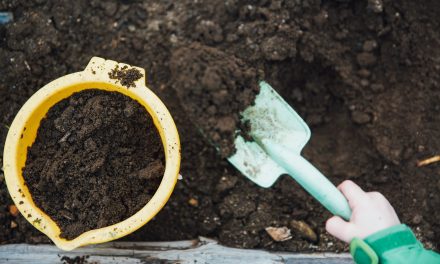
Once you have assessed the soil quality, clear the area of weeds, rocks, and debris. Loosen the soil using a garden fork or tiller to improve aeration and drainage. Incorporating organic matter such as compost or well-rotted manure enriches the soil with essential nutrients and enhances its structure. Aim for a balanced mix of sand, silt, and clay to create loamy soil that retains moisture while allowing excess water to drain away.
Gather Essential Gardening Tools and Supplies

Equipping yourself with the right tools is crucial for efficient gardening. Essential tools include a spade for digging, a hoe for weeding, and a rake for leveling soil. A trowel is invaluable for planting seeds and transplanting seedlings, while pruning shears are necessary for maintaining plant health throughout the growing season.
In addition to tools, gather supplies such as high-quality seeds or seedlings, organic fertilizers, mulch materials, and pest control options. A sturdy watering can or hose with an adjustable nozzle will ensure proper irrigation. Consider investing in protective gear like gloves and knee pads to enhance comfort while working in the garden.
Plan Your Garden Layout and Spacing
Creating a thoughtful garden layout maximizes space and promotes healthy plant growth. Begin by sketching a diagram of your garden plot, taking into account the mature size of each vegetable variety. Proper spacing is essential; overcrowded plants compete for nutrients and sunlight, leading to stunted growth.
Utilize companion planting techniques to enhance productivity and deter pests naturally. For example, planting marigolds alongside tomatoes can repel nematodes and other harmful insects. Additionally, consider implementing vertical gardening methods for climbing plants like beans or cucumbers to save space while increasing yield.
Start Seeds Indoors or Buy Seedlings
Starting seeds indoors allows for an extended growing season and gives you a head start on your garden. Use seed trays filled with seed-starting mix to sow seeds approximately six to eight weeks before the last frost date in your area. Maintain consistent moisture levels and provide adequate light using grow lights or placing trays near sunny windows.
Alternatively, purchasing seedlings from local nurseries can save time and effort. When selecting plants, choose healthy specimens with vibrant foliage and strong stems. Inspect for signs of pests or diseases before bringing them home to ensure you are starting with robust plants that will thrive in your garden.
Plant Your Vegetables at the Right Time
Timing is crucial when it comes to planting vegetables. Refer to local planting calendars or consult gardening resources specific to your region to determine optimal planting dates based on frost dates and seasonal temperatures. Cool-season crops can be sown as soon as the soil is workable in spring, while warm-season crops should be planted after the danger of frost has passed.
When planting seeds directly into the ground, follow the recommended depth and spacing guidelines on seed packets. For transplants, dig holes slightly larger than the root ball and gently loosen any tightly bound roots before placing them in the ground. Water thoroughly after planting to help settle the soil around the roots.
Water Your Garden Properly and Consistently
Proper watering practices are essential for maintaining healthy plants throughout their growth cycle. Aim for deep watering sessions rather than frequent shallow watering; this encourages roots to grow deeper into the soil where moisture is more consistent. A general rule of thumb is to provide about one inch of water per week, either through rainfall or irrigation.
Consider using drip irrigation systems or soaker hoses to deliver water directly to the root zone while minimizing evaporation losses. Early morning is the best time for watering; this allows foliage to dry during the day, reducing the risk of fungal diseases. Monitor soil moisture levels regularly by checking the top inch of soil; if it feels dry, it’s time to water.
Mulch and Fertilize to Promote Growth
Applying mulch around your plants serves multiple purposes: it conserves moisture, suppresses weeds, and regulates soil temperature. Organic mulches such as straw, wood chips, or shredded leaves break down over time, enriching the soil with nutrients as they decompose. Aim for a layer of mulch approximately two to three inches thick around your plants.
Fertilization is also vital for promoting healthy growth and maximizing yields. Choose organic fertilizers such as compost tea or fish emulsion that provide essential nutrients without harming beneficial microorganisms in the soil. Follow application guidelines carefully; over-fertilizing can lead to nutrient imbalances and damage plant roots.
Monitor for Pests and Diseases
Regular monitoring of your garden is essential for early detection of pests and diseases that can threaten your crops. Inspect leaves, stems, and soil regularly for signs of infestations or infections such as discoloration, wilting, or unusual growth patterns. Familiarize yourself with common pests like aphids, caterpillars, and beetles that may invade your garden.
Implement integrated pest management (IPM) strategies that combine cultural practices, biological controls, and chemical interventions when necessary. Encourage beneficial insects like ladybugs and lacewings that prey on harmful pests by planting diverse flowers nearby. If chemical treatments are required, opt for organic pesticides that minimize harm to beneficial organisms while effectively controlling pests.
Harvest Your Vegetables and Enjoy Your Garden
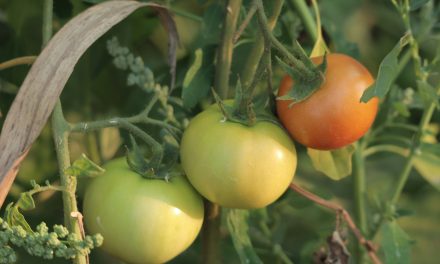
The culmination of your gardening efforts comes with harvesting your vegetables at their peak ripeness. Each vegetable has its own ideal harvest time; for instance, tomatoes should be picked when fully colored but still firm, while leafy greens can be harvested continuously by cutting outer leaves while allowing inner leaves to grow.
Enjoying the fruits of your labor extends beyond mere consumption; it encompasses sharing with friends and family or preserving excess produce through canning or freezing methods. Celebrate your gardening achievements by experimenting with new recipes that highlight your homegrown vegetables.
In summary, successful gardening requires careful planning and execution across various stages—from selecting an appropriate location to harvesting your produce. By understanding each step involved in cultivating a vegetable garden, you can create a thriving ecosystem that not only provides nourishment but also fosters a deeper connection with nature.
This comprehensive guide serves as a roadmap for aspiring gardeners eager to embark on their horticultural journey while ensuring they are equipped with knowledge about best practices in vegetable cultivation.
FAQs
What are the basic steps to start a small vegetable garden?
To start a small vegetable garden, first choose a suitable location with plenty of sunlight and access to water. Next, prepare the soil by clearing debris and adding organic matter like compost. Select the vegetables you want to grow based on your climate and preferences, then plant seeds or seedlings according to the recommended spacing. Regularly water, weed, and monitor for pests to ensure healthy growth.
What vegetables are best for beginners to grow?
Beginners should consider growing easy-to-care-for vegetables such as lettuce, radishes, carrots, tomatoes, and zucchini. These vegetables typically have shorter growing seasons and are more forgiving of beginner mistakes, making them ideal for novice gardeners.
How much space do I need for a small vegetable garden?
A small vegetable garden can be as little as 4 feet by 4 feet, which is suitable for container gardening or raised beds. However, the space can be adjusted based on the number of plants you wish to grow. Ensure that there is enough room for plants to spread out and for you to access them for maintenance.
What type of soil is best for a vegetable garden?
The best soil for a vegetable garden is well-draining, nutrient-rich soil with a pH level between 6.0 and 7.0. A mix of loamy soil, compost, and organic matter will provide the necessary nutrients and structure for healthy plant growth. Testing the soil before planting can help determine if amendments are needed.
How often should I water my vegetable garden?
Vegetable gardens typically require about 1 inch of water per week, either from rainfall or irrigation. It’s best to water deeply and less frequently to encourage deep root growth. Monitor the soil moisture and adjust your watering schedule based on weather conditions, plant needs, and soil type.