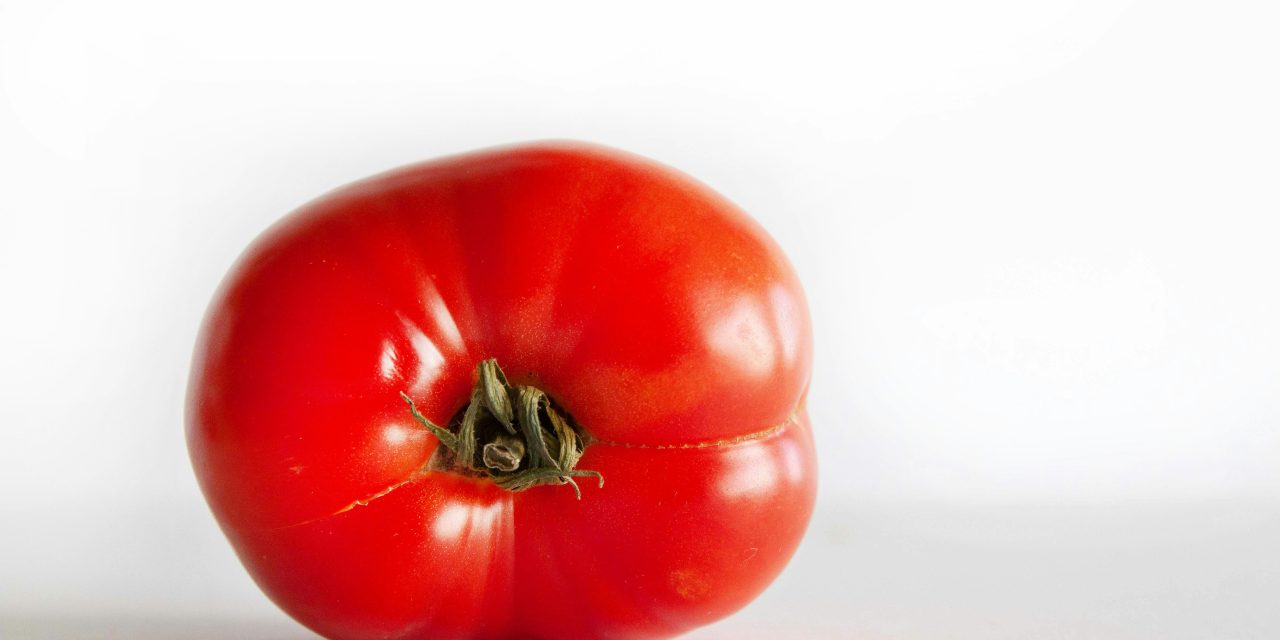
Tomatoes are a staple in many kitchens around the world, prized for their versatility and flavor. However, understanding the nuances of tomato ripeness is crucial for optimal storage and consumption. A tomato is considered ripe when it has reached its peak color, firmness, and aroma. Typically, ripe tomatoes exhibit a vibrant hue—ranging from deep red to golden yellow—depending on the variety. The skin should feel slightly yielding to gentle pressure, indicating that the fruit is ready for consumption.
Harvesting tomatoes at the right time is essential for maximizing their flavor profile. Tomatoes that are picked too early may lack sweetness and complexity, while those left on the vine too long can become overripe and mushy. For home gardeners, monitoring the color change and firmness is vital. Once harvested, the decision to store tomatoes should be based on their ripeness level. Unripe tomatoes can continue to mature off the vine, while ripe ones require immediate attention to preserve their quality.
The Impact of Temperature on Tomato Flavor
Temperature plays a pivotal role in determining the flavor profile of tomatoes. Studies have shown that tomatoes grown in warmer climates tend to develop higher sugar content, resulting in a sweeter taste. Conversely, exposure to cooler temperatures can inhibit the synthesis of flavor compounds, leading to blandness. The ideal temperature range for storing tomatoes is between 55°F and 70°F (13°C to 21°C).
When tomatoes are stored at temperatures below this range, particularly in refrigeration, their flavor compounds can degrade significantly. This temperature-induced alteration not only affects sweetness but also impacts acidity levels, which are crucial for the overall taste experience. Therefore, understanding how temperature influences flavor is essential for anyone looking to enjoy tomatoes at their best.
Why Refrigeration Can Harm Tomato Taste

Refrigeration is often seen as a convenient solution for prolonging the shelf life of perishable items; however, it can be detrimental to the taste of tomatoes. When tomatoes are stored in cold environments, specifically below 50°F (10°C), the cold air disrupts the ripening process and alters the texture and flavor profile. The chilling injury can lead to a mealy texture and diminished sweetness, rendering the fruit less enjoyable.
Moreover, refrigeration can inhibit the production of volatile compounds responsible for aroma and flavor. These compounds are crucial for the sensory experience of eating tomatoes. As a result, many culinary experts recommend avoiding refrigeration altogether for ripe tomatoes. Instead, they suggest storing them at room temperature to maintain their integrity and flavor.
Ideal Storage Conditions for Unripe Tomatoes

For unripe tomatoes, creating optimal storage conditions is essential for successful ripening. These fruits should be kept in a well-ventilated area away from direct sunlight, as excessive heat can accelerate decay. A countertop or a pantry with good airflow is ideal for this purpose. Placing unripe tomatoes stem-side up can help prevent bruising and damage.
Additionally, it is advisable to keep unripe tomatoes separated from other fruits and vegetables that produce ethylene gas, such as bananas and apples. Ethylene gas plays a significant role in the ripening process; however, too much exposure can lead to uneven ripening or spoilage. Monitoring the ripening process regularly allows for timely intervention when they reach optimal ripeness.
Best Practices for Storing Ripe Tomatoes
Once tomatoes have reached their peak ripeness, proper storage becomes paramount to preserving their quality. Ripe tomatoes should be stored at room temperature in a single layer, preferably stem-side up, to minimize bruising. Avoid stacking them on top of each other, as this can lead to pressure points that accelerate spoilage.
If you anticipate not consuming ripe tomatoes within a few days, consider using a breathable container such as a paper bag or a basket lined with a cloth. This method allows for airflow while protecting the fruit from external elements. Regularly check stored ripe tomatoes for any signs of spoilage or over-ripening to ensure they are consumed at their best.
Using Paper Bags and Other Natural Storage Methods
Utilizing paper bags for tomato storage is an effective method that promotes natural ripening while minimizing moisture retention. The porous nature of paper allows ethylene gas produced by the tomatoes to circulate freely, facilitating even ripening without trapping excess moisture that could lead to mold growth.
In addition to paper bags, other natural storage methods include using cardboard boxes or baskets lined with cloth. These options provide adequate ventilation while protecting the fruit from physical damage. It is essential to avoid plastic bags or containers that can trap moisture and create an environment conducive to rot.
Avoiding Moisture: Preventing Mold and Rot
Moisture control is critical in preventing mold and rot in stored tomatoes. Excess humidity can lead to fungal growth and spoilage, significantly reducing the shelf life of these fruits. To mitigate moisture-related issues, ensure that tomatoes are dry before storage; any residual moisture can promote decay.
Additionally, maintaining proper airflow around stored tomatoes is vital. Avoid overcrowding containers and ensure that they are placed in well-ventilated areas. If you notice any signs of mold or rot on individual tomatoes, promptly remove them from the batch to prevent contamination of healthy fruits.
How to Store Cut Tomatoes Properly
Cut tomatoes require special attention to maintain their freshness and flavor after being sliced. To store cut tomatoes effectively, place them in an airtight container or wrap them tightly in plastic wrap to minimize exposure to air. This helps prevent oxidation and retains moisture.
It is advisable to store cut tomatoes in the refrigerator if they will not be consumed within a few hours; however, allow them to come back to room temperature before serving or cooking to enhance their flavor profile. Additionally, avoid storing cut tomatoes near strong-smelling foods in the refrigerator, as they can absorb odors that may alter their taste.
The Role of Ethylene Gas in Tomato Ripening
Ethylene gas is a naturally occurring plant hormone that plays a crucial role in the ripening process of fruits, including tomatoes. As tomatoes mature, they produce ethylene gas, which triggers biochemical changes leading to ripening—such as color change and softening of the flesh.
Understanding ethylene’s role allows consumers to manipulate ripening conditions effectively. For instance, placing unripe tomatoes in proximity to ethylene-producing fruits can accelerate their ripening process. Conversely, separating ripe tomatoes from ethylene-producing fruits can prolong their freshness by slowing down further ripening.
Tips for Long-Term Tomato Storage Without Freezing
For those looking to store tomatoes long-term without resorting to freezing methods, several techniques can be employed. One effective method is drying tomatoes through sun-drying or using a dehydrator. Dried tomatoes retain much of their flavor and can be rehydrated for use in various dishes.
Another option is canning or preserving tomatoes in jars with added acidity (such as lemon juice or vinegar) to ensure safety during storage. This method allows for extended shelf life while maintaining flavor integrity. Additionally, consider making sauces or salsas that can be canned for long-term use.
Reviving Flavor: Bringing Stored Tomatoes Back to Life
Stored tomatoes may lose some of their original flavor over time; however, there are ways to revive their taste before consumption. One effective method is allowing stored tomatoes to come back to room temperature before serving or cooking them. This practice enhances their natural sweetness and aroma.
Another technique involves marinating stored tomatoes in olive oil with herbs and spices before use; this not only adds flavor but also helps mask any loss of taste due to storage conditions. Incorporating stored tomatoes into cooked dishes—such as sauces or soups—can also help restore some of their original flavors while providing a delicious culinary experience.
In summary, understanding tomato ripeness and proper storage techniques is essential for maximizing flavor and extending shelf life. By controlling temperature, avoiding refrigeration when possible, and utilizing natural storage methods like paper bags or breathable containers, consumers can enjoy fresh-tasting tomatoes longer. Additionally, being mindful of moisture levels and ethylene gas will further enhance preservation efforts. For cut tomatoes, airtight storage solutions are key to maintaining freshness. Long-term storage options such as drying or canning provide alternatives without sacrificing taste. Finally, reviving stored tomatoes through temperature adjustments or creative culinary techniques ensures that every bite remains flavorful and enjoyable.
FAQs
What is the best temperature to store tomatoes for optimal flavor?
The best temperature to store tomatoes is between 55°F and 70°F (13°C to 21°C). Storing them at room temperature allows them to ripen properly and maintain their flavor. Refrigeration can dull their taste and alter their texture.
Should tomatoes be stored in direct sunlight?
No, tomatoes should not be stored in direct sunlight. Exposure to sunlight can cause them to ripen too quickly and lead to uneven ripening. It is best to store them in a cool, dark place, such as a countertop or pantry.
Can I store cut tomatoes, and if so, how?
Yes, cut tomatoes can be stored, but they should be kept in an airtight container in the refrigerator. To maintain flavor, consume them within a day or two. It’s advisable to let them come to room temperature before eating to enhance their taste.
Is it better to store tomatoes stem-side up or down?
It is better to store tomatoes stem-side up. This position helps prevent bruising and damage to the fruit, which can affect flavor and texture. If stacking tomatoes, ensure they are not too tightly packed to avoid pressure on the bottom ones.
How long can I store tomatoes without losing flavor?
Tomatoes can typically be stored for about 5 to 7 days at room temperature without significant loss of flavor. However, the exact duration may vary depending on the ripeness of the tomatoes at the time of storage. Always check for signs of spoilage before consuming.