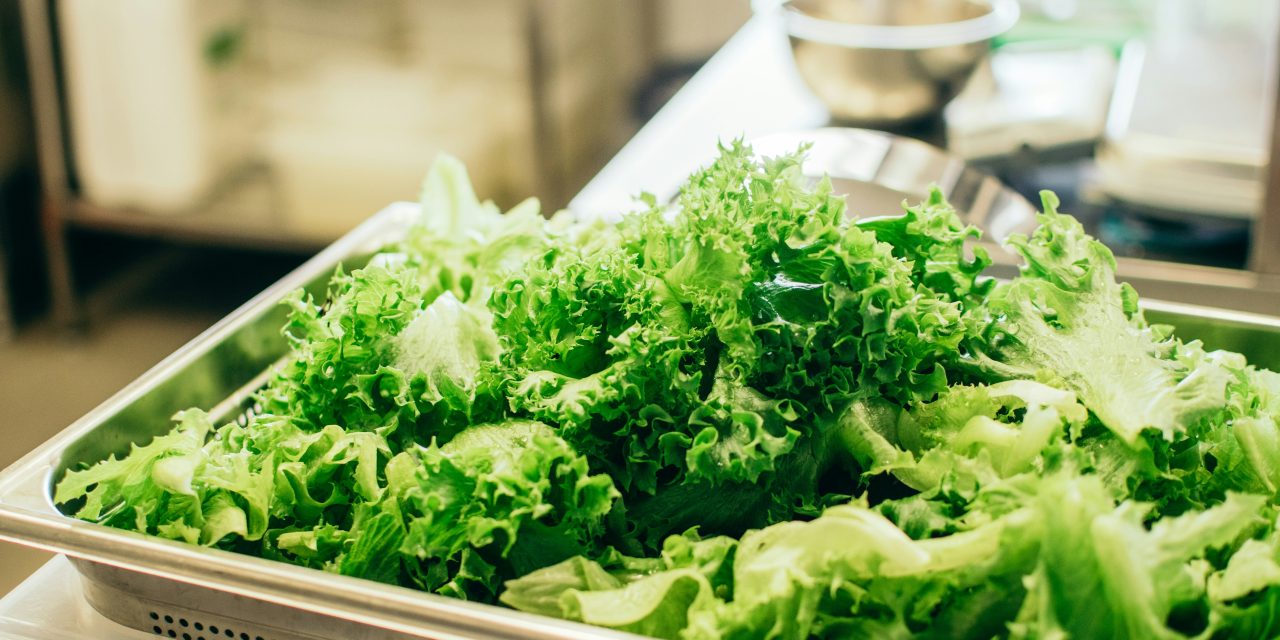
Selecting the appropriate lettuce variety is crucial for maximizing freshness and longevity. Different types of lettuce exhibit varying shelf lives, influenced by their structural characteristics and moisture content. For instance, romaine lettuce, known for its sturdy leaves, tends to last longer than delicate varieties such as butterhead or leaf lettuce. The crisp texture of romaine not only provides a satisfying crunch but also helps it retain moisture better, making it less susceptible to wilting.
Additionally, varieties like iceberg lettuce, while often criticized for their nutritional value, can also be a practical choice due to their dense structure. They can withstand longer storage periods without significant degradation. When choosing lettuce, consider the intended use; for salads that require a robust texture, opt for romaine or iceberg. Conversely, for sandwiches or wraps, softer varieties may be more suitable. Understanding these distinctions can significantly enhance your culinary experience while ensuring that your lettuce remains fresh for an extended period.
Inspecting Lettuce Before Purchase: What to Look For
Before purchasing lettuce, a thorough inspection is essential to ensure quality and freshness. Begin by examining the leaves; they should be vibrant in color, free from blemishes, and exhibit a crisp texture. Yellowing or browning edges are indicators of age and potential spoilage. Additionally, check for any signs of wilting or limpness, which suggest that the lettuce has lost its moisture content and may not last long after purchase.
Another critical aspect to consider is the presence of pests or mold. Inspect the inner leaves carefully, as these areas can harbor hidden issues. If you notice any signs of decay or insect activity, it is advisable to select another head of lettuce. Furthermore, consider the packaging; if purchasing pre-packaged lettuce, ensure that the packaging is intact and free from excessive moisture buildup. By taking these precautions, you can significantly reduce the likelihood of bringing home subpar produce.
Proper Washing Techniques to Avoid Excess Moisture

Washing lettuce is a vital step in preparing it for consumption, but it must be done correctly to avoid excess moisture that can lead to spoilage. Begin by filling a clean sink or bowl with cold water and submerging the lettuce leaves gently. This method allows dirt and debris to loosen without damaging the delicate leaves. Swirl the leaves around in the water to ensure thorough cleaning.
After washing, it is crucial to dry the lettuce properly to prevent moisture accumulation during storage. Avoid using hot water, as this can cause wilting and degradation of texture. Instead, opt for cold water to maintain the crispness of the leaves. Once cleaned, shake off excess water gently before proceeding to drying techniques.
Drying Lettuce Thoroughly: Tools and Tips

To prolong the shelf life of lettuce, thorough drying is essential after washing. One effective tool for this purpose is a salad spinner, which utilizes centrifugal force to remove excess water efficiently. Simply place the washed leaves in the spinner and give it a few spins until most of the moisture is removed. This method is not only quick but also minimizes damage to the leaves.
If a salad spinner is unavailable, consider using clean kitchen towels or paper towels to pat the leaves dry gently. Lay the leaves flat on a towel and roll them up lightly to absorb moisture without crushing them. Regardless of the method chosen, ensuring that lettuce is adequately dried before storage will significantly reduce the risk of spoilage and maintain its crispness.
Using Paper Towels to Absorb Moisture in Storage
Incorporating paper towels into your lettuce storage strategy can be an effective way to absorb excess moisture and prolong freshness. After washing and drying your lettuce thoroughly, place it in a storage container lined with paper towels. The towels will absorb any residual moisture that may accumulate over time, preventing the growth of mold and bacteria.
When using paper towels, it is advisable to change them periodically if you notice they are becoming damp. This proactive approach will help maintain an optimal environment for your lettuce, ensuring it remains crisp and flavorful for an extended period. Additionally, consider using perforated plastic bags or containers with ventilation holes to allow airflow while still providing moisture absorption.
Selecting the Best Storage Containers for Lettuce
Choosing the right storage container is paramount in preserving the quality of lettuce. Airtight containers are generally not recommended as they can trap moisture and create an environment conducive to spoilage. Instead, opt for containers that allow for some airflow while still protecting the leaves from external elements.
Glass containers with lids that have ventilation holes are an excellent choice as they provide visibility while maintaining humidity levels. Alternatively, perforated plastic bags can also be effective in keeping lettuce fresh by allowing excess moisture to escape while retaining some humidity. Whichever container you choose, ensure it is clean and dry before placing your lettuce inside.
Optimal Refrigerator Temperature Settings for Leafy Greens
The temperature at which leafy greens are stored plays a significant role in their longevity. Ideally, refrigerators should be set between 32°F (0°C) and 36°F (2°C) for optimal preservation of freshness in lettuce. This temperature range slows down enzymatic activity that leads to spoilage while maintaining crispness.
Regularly monitoring your refrigerator’s temperature settings is essential; fluctuations can adversely affect produce quality. If your refrigerator lacks a built-in thermometer, consider investing in one to ensure consistent temperatures are maintained. By adhering to these guidelines, you can significantly extend the shelf life of your lettuce.
Storing Lettuce in the Crisper Drawer: Why It Matters
The crisper drawer in your refrigerator is specifically designed for storing fruits and vegetables at optimal humidity levels. Storing lettuce in this compartment helps maintain its freshness by providing a controlled environment that reduces moisture loss while preventing excess humidity that can lead to spoilage.
When placing lettuce in the crisper drawer, ensure it is properly wrapped or contained to prevent exposure to ethylene-producing fruits nearby, which can accelerate wilting and decay. Utilizing this designated space effectively will contribute significantly to preserving the quality of your leafy greens.
Avoiding Ethylene-Producing Fruits Near Lettuce
Ethylene gas is a natural plant hormone released by certain fruits as they ripen; however, this gas can have detrimental effects on sensitive vegetables like lettuce. Exposure to ethylene can cause premature wilting and spoilage in leafy greens. Therefore, it is crucial to store ethylene-producing fruits such as apples, bananas, and avocados away from your lettuce.
To mitigate this issue, consider designating specific areas within your refrigerator for ethylene-sensitive produce versus ethylene-producing fruits. By implementing this separation strategy, you can significantly enhance the longevity of your lettuce while ensuring optimal freshness.
Refreshing Wilted Lettuce: Quick Revival Methods
If you find yourself with wilted lettuce, there are several quick methods to revive its crispness effectively. One popular technique involves submerging the wilted leaves in ice-cold water for approximately 10-15 minutes. The cold temperature helps rehydrate the leaves and restore their firmness.
Another method involves placing the wilted lettuce in a bowl with cold water mixed with a splash of vinegar or lemon juice. The acidity helps rejuvenate the leaves while adding a subtle flavor enhancement. After soaking, gently pat the leaves dry before using them in salads or sandwiches.
When and How to Use Lettuce to Prevent Waste
To minimize waste associated with lettuce consumption, consider incorporating it into various dishes before it reaches its expiration point. For instance, wilted leaves can be used in smoothies or blended into soups where texture is less critical. Additionally, consider sautéing or stir-frying leftover lettuce with other vegetables; this method not only enhances flavor but also ensures that no part of your produce goes unused.
Another effective strategy involves meal planning around your lettuce supply; by organizing meals that utilize fresh greens throughout the week, you can prevent spoilage while enjoying diverse culinary experiences. By adopting these practices, you can maximize your use of lettuce while minimizing waste.
In summary, selecting the right variety of lettuce and inspecting it thoroughly before purchase are foundational steps toward ensuring longevity and freshness. Proper washing techniques followed by thorough drying are essential in preventing excess moisture during storage. Utilizing paper towels and appropriate containers further enhances preservation efforts while maintaining optimal refrigerator settings contributes significantly to extending shelf life. Storing lettuce in designated areas away from ethylene-producing fruits ensures quality retention while employing revival methods can refresh wilted greens effectively. Finally, incorporating leftover lettuce into various dishes promotes sustainability by reducing waste associated with this nutritious leafy green.
FAQs
How should I store lettuce in the fridge to keep it fresh?
To keep lettuce fresh, store it in a clean, dry container or a perforated plastic bag. Make sure to remove any excess moisture by patting the leaves dry with a paper towel before storing. Keeping the lettuce in the crisper drawer of the fridge, which maintains a slightly higher humidity, can also help preserve its freshness.
Can I wash lettuce before storing it in the fridge?
It is best to wash lettuce just before you plan to use it rather than before storing it. Washing can introduce moisture, which may lead to quicker spoilage. If you do wash it, ensure that you dry it thoroughly using a salad spinner or paper towels before storing.
What is the ideal temperature for storing lettuce in the fridge?
The ideal temperature for storing lettuce is between 32°F and 36°F (0°C to 2°C). This temperature range helps to slow down the deterioration process and keeps the lettuce crisp for a longer period.
How long can I keep lettuce in the fridge before it goes bad?
Lettuce can typically last in the fridge for about 5 to 7 days if stored properly. However, the exact duration may vary depending on the type of lettuce and its freshness at the time of purchase. Always check for signs of wilting or browning before consuming.
Are there any tips for reviving wilted lettuce?
Yes, you can revive wilted lettuce by soaking it in ice water for about 10 to 15 minutes. The cold water helps to rehydrate the leaves, making them crisp again. After soaking, drain the lettuce and dry it thoroughly before using or storing it again.