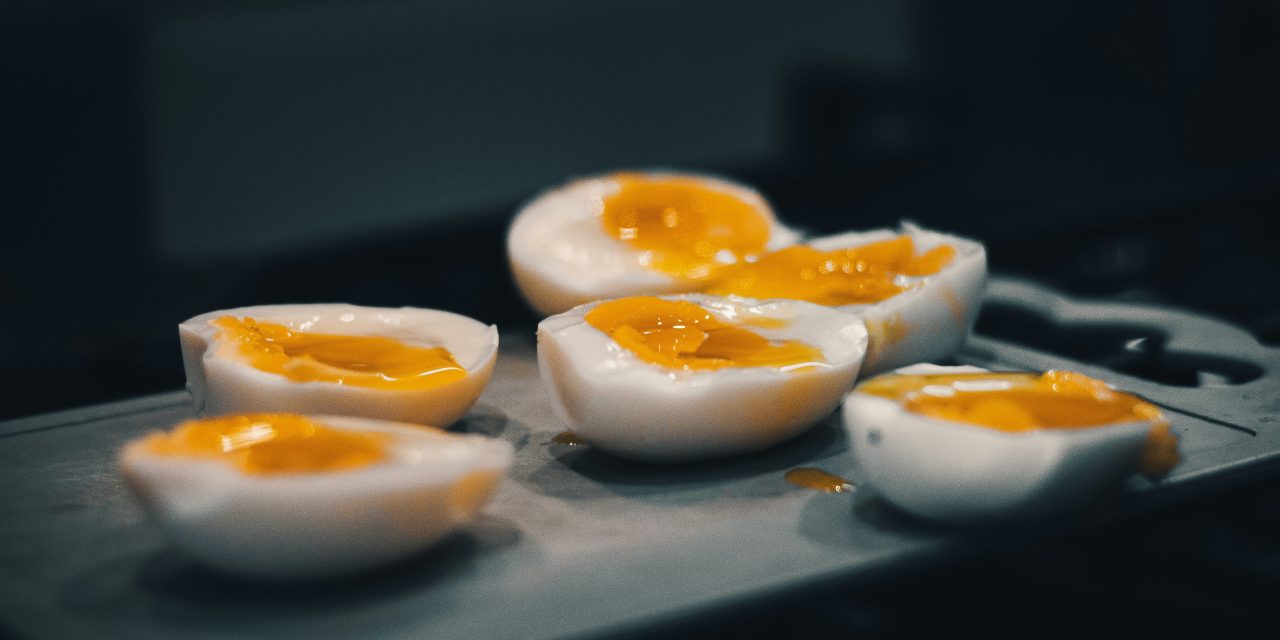
Hard-boiled eggs are a staple in many households, celebrated for their versatility, nutritional value, and convenience. They serve as a quick snack, a protein-rich addition to salads, or a key ingredient in various dishes. However, the proper storage of hard-boiled eggs is crucial to ensure their safety and maintain their quality over time. Understanding the nuances of egg storage can prevent foodborne illnesses and enhance the culinary experience. This article delves into the essential aspects of hard-boiled egg storage, providing insights into factors affecting their shelf life, cooling techniques, refrigeration practices, and more.
The significance of proper storage cannot be overstated. Eggs are perishable items that can harbor bacteria such as Salmonella if not handled correctly. By adhering to recommended storage practices, one can maximize the freshness and safety of hard-boiled eggs. This comprehensive guide aims to equip readers with the knowledge necessary to store hard-boiled eggs effectively, ensuring they remain safe for consumption while retaining their delightful taste and texture.
Factors Affecting the Shelf Life of Hard-Boiled Eggs
Several factors influence the shelf life of hard-boiled eggs, including temperature, humidity, and the method of cooking. The initial quality of the eggs before boiling plays a significant role; fresher eggs tend to have a longer shelf life post-cooking. Additionally, the cooking process itself can impact longevity. Overcooking can lead to a rubbery texture and may also affect the egg’s ability to retain moisture.
Temperature is paramount in determining how long hard-boiled eggs remain safe for consumption. Eggs should be cooled promptly after boiling and stored in a refrigerator set at an optimal temperature. Humidity levels within the refrigerator can also affect the eggs’ quality; excessive moisture can lead to spoilage. Understanding these factors is essential for anyone looking to extend the shelf life of their hard-boiled eggs.
Proper Cooling Techniques After Boiling

Cooling hard-boiled eggs correctly is vital for preserving their quality and preventing bacterial growth. After boiling, it is recommended to transfer the eggs immediately into an ice bath or cold water. This rapid cooling process halts the cooking process and helps prevent overcooking, which can lead to undesirable textures and flavors.
To create an effective ice bath, fill a bowl with ice cubes and cold water. Submerge the boiled eggs in this mixture for approximately 10-15 minutes. This technique not only cools the eggs quickly but also makes peeling easier by contracting the egg white away from the shell. Once cooled, eggs should be dried thoroughly before storage to minimize moisture exposure, which can promote spoilage.
Ideal Refrigeration Temperature for Hard-Boiled Eggs

The ideal refrigeration temperature for hard-boiled eggs is between 32°F (0°C) and 40°F (4°C). Maintaining this temperature range is crucial for inhibiting bacterial growth and preserving the eggs’ quality. Most household refrigerators operate within this range; however, it is advisable to use a thermometer to ensure accuracy.
Storing hard-boiled eggs in the coldest part of the refrigerator, typically at the back, can further enhance their longevity. Avoid placing them in the refrigerator door, where temperatures fluctuate more frequently due to opening and closing. By adhering to these refrigeration guidelines, one can significantly extend the shelf life of hard-boiled eggs while ensuring they remain safe for consumption.
How Long Do Hard-Boiled Eggs Last Unpeeled in the Fridge?
Unpeeled hard-boiled eggs can last up to one week when stored properly in the refrigerator. The shell acts as a natural barrier against bacteria and helps retain moisture, thereby prolonging freshness. To maximize their shelf life, it is essential to keep them in their original carton or a covered container to protect them from absorbing odors from other foods.
It is important to note that while unpeeled hard-boiled eggs can last up to seven days, their quality may gradually decline over time. Therefore, it is advisable to consume them within this timeframe for optimal taste and texture. Regularly checking for any signs of spoilage can also help ensure that only fresh eggs are consumed.
Shelf Life of Peeled Hard-Boiled Eggs in the Refrigerator
Peeled hard-boiled eggs have a shorter shelf life compared to their unpeeled counterparts. When stored in an airtight container in the refrigerator, peeled hard-boiled eggs typically last about 3-5 days. The removal of the shell exposes the egg white to air, increasing its susceptibility to drying out and bacterial contamination.
To maintain freshness, it is recommended to store peeled hard-boiled eggs submerged in water within a sealed container. This method helps prevent them from drying out while also providing an additional layer of protection against bacteria. However, it is crucial to change the water daily to ensure optimal freshness and safety.
Signs That Hard-Boiled Eggs Have Gone Bad
Identifying spoiled hard-boiled eggs is essential for food safety. Several indicators can signal that an egg has gone bad. First and foremost, a foul odor emanating from the egg is a clear sign of spoilage; this odor may be sulfurous or rotten. Additionally, if the egg white appears discolored or has developed a slimy texture, it is best to discard it.
Another method for assessing freshness is the float test. Fresh eggs will sink in water, while older ones may float due to gas buildup inside the shell. Although this test is more applicable to raw eggs, it can provide some insight into the age of hard-boiled eggs as well. Always err on the side of caution; if there are any doubts about an egg’s freshness or safety, it is advisable to dispose of it.
Best Practices for Storing Peeled Hard-Boiled Eggs
To ensure that peeled hard-boiled eggs remain fresh and safe for consumption, several best practices should be followed. First, always store peeled eggs in an airtight container to minimize exposure to air and moisture. This practice helps prevent drying out and protects against contamination from other foods in the refrigerator.
As previously mentioned, submerging peeled hard-boiled eggs in water within a sealed container can significantly enhance their freshness. Changing the water daily will help maintain optimal conditions for storage. Additionally, labeling containers with dates can assist in tracking freshness and ensuring that eggs are consumed within their recommended timeframe.
Can You Freeze Hard-Boiled Eggs?
Freezing hard-boiled eggs is generally not recommended due to changes in texture that occur during freezing and thawing processes. While freezing may preserve the egg’s nutritional content, it often results in a rubbery texture that many find unpalatable. However, if one chooses to freeze hard-boiled eggs, it is advisable to slice them before freezing as this may help mitigate textural changes.
If freezing is necessary, place sliced hard-boiled eggs in an airtight container or freezer bag with as much air removed as possible. They can be stored in the freezer for up to three months but should be consumed promptly after thawing for best results.
Tips for Maintaining Freshness and Quality
To maintain the freshness and quality of hard-boiled eggs throughout their shelf life, several practical tips can be employed:
1. **Cool Promptly**: Always cool boiled eggs quickly using an ice bath.
2. **Store Properly**: Keep unpeeled eggs in their original carton or a covered container.
3. **Monitor Temperature**: Ensure your refrigerator maintains a consistent temperature between 32°F (0°C) and 40°F (4°C).
4. **Check Regularly**: Inspect stored eggs frequently for any signs of spoilage.
5. **Label Containers**: Use labels with dates on containers holding peeled eggs for easy tracking.
6. **Avoid Cross-Contamination**: Store eggs away from strong-smelling foods to prevent odor absorption.
By implementing these strategies, one can significantly enhance the longevity and quality of hard-boiled eggs.
Maximizing the Shelf Life of Hard-Boiled Eggs
In conclusion, understanding how to store hard-boiled eggs effectively is essential for maximizing their shelf life while ensuring safety and quality. By considering factors such as cooling techniques, refrigeration temperatures, and proper storage methods, individuals can enjoy these nutritious snacks without compromising on taste or safety.
Whether unpeeled or peeled, adhering to best practices will help maintain freshness and prevent spoilage. While freezing may not be ideal for hard-boiled eggs due to textural changes, proper refrigeration techniques can extend their usability significantly. By following these guidelines and being vigilant about signs of spoilage, one can confidently incorporate hard-boiled eggs into their diet while minimizing waste and maximizing enjoyment.
FAQs
How long can hard-boiled eggs be stored in the fridge?
Hard-boiled eggs can typically be stored in the refrigerator for up to one week. It is important to keep them in their shells until you are ready to eat them to maintain freshness.
What is the best way to store hard-boiled eggs in the fridge?
The best way to store hard-boiled eggs is to keep them in their shells and place them in a covered container in the refrigerator. This helps to prevent them from absorbing odors and keeps them fresh longer.
Can you eat hard-boiled eggs after the one-week mark?
While hard-boiled eggs are generally safe to eat for up to one week, it is advisable to check for any signs of spoilage, such as an off smell or unusual appearance, before consuming them after this period.
How can you tell if a hard-boiled egg has gone bad?
You can tell if a hard-boiled egg has gone bad by checking for a foul odor when you peel it, a discolored or slimy texture, or any unusual spots on the egg white or yolk. If any of these signs are present, it is best to discard the egg.
Is it safe to freeze hard-boiled eggs?
Freezing hard-boiled eggs is not recommended, as the texture can become rubbery and unappetizing once thawed. However, you can freeze the yolks separately if needed, but it is best to consume hard-boiled eggs fresh or within the recommended storage time.