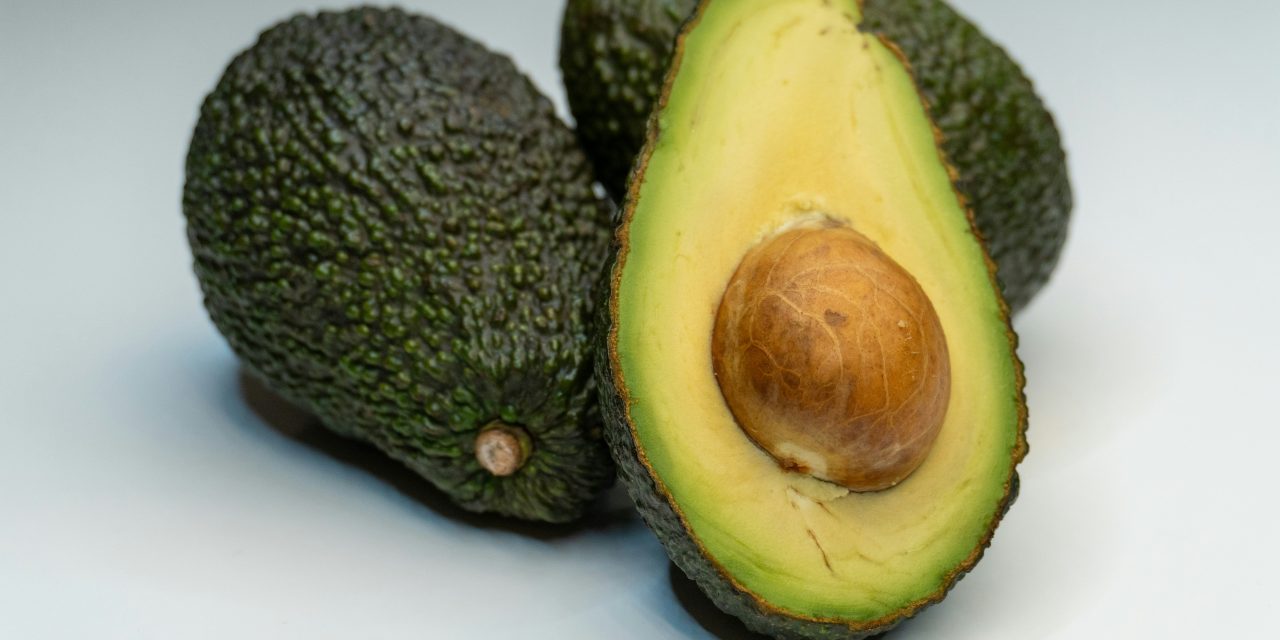
Avocados are a beloved fruit, celebrated for their creamy texture and rich flavor. However, one common issue that many encounter is the rapid browning of cut avocados. This discoloration occurs due to a process known as enzymatic browning, which is triggered when the flesh of the avocado is exposed to oxygen in the air. The enzyme polyphenol oxidase (PPO) catalyzes the oxidation of phenolic compounds, leading to the formation of brown pigments known as melanins. This reaction not only affects the aesthetic appeal of the fruit but can also alter its flavor profile, making it taste slightly bitter.
The browning process can begin almost immediately after cutting an avocado, which can be frustrating for those looking to enjoy its fresh taste. Factors such as ripeness, temperature, and exposure to light can influence the rate at which browning occurs. For instance, an overripe avocado may brown more quickly than one that is perfectly ripe. Understanding these underlying mechanisms can help in devising effective strategies to prevent or slow down this natural process.
Choosing the Right Avocado for Cutting
Selecting the ideal avocado is crucial for ensuring optimal flavor and texture. When choosing avocados, look for those that yield slightly to gentle pressure, indicating ripeness. A perfectly ripe avocado should have a dark green to nearly black skin, depending on the variety, and should feel slightly soft but not mushy. Avoid avocados with large indentations or dark spots, as these may indicate overripeness or internal bruising.
Additionally, consider the variety of avocado you are purchasing. The Hass avocado is the most popular type due to its rich flavor and creamy consistency. Other varieties, such as Fuerte or Bacon, may have different textures and flavors, which can influence your culinary experience. By selecting high-quality avocados, you can enhance your dishes while minimizing the chances of encountering browning issues.
Preparing Your Workspace and Tools

Before cutting into an avocado, it is essential to prepare your workspace and gather the necessary tools. A clean cutting board is vital to prevent cross-contamination and ensure food safety. Opt for a sturdy wooden or plastic cutting board that provides a stable surface for slicing. Additionally, having a sharp knife on hand will facilitate clean cuts and reduce the risk of bruising the fruit.
Consider using a spoon or a specialized avocado tool for removing the pit and scooping out the flesh. These tools can help you navigate the delicate structure of the avocado without damaging its integrity. Lastly, ensure that you have a bowl or container ready for storing any cut pieces, as this will streamline your preparation process and minimize mess.
How to Properly Cut an Avocado

Cutting an avocado requires a careful approach to preserve its texture and flavor. Begin by placing the avocado on a stable cutting board. Using a sharp knife, slice through the skin lengthwise until you reach the pit. Rotate the avocado while keeping the knife steady to create a complete cut around the pit. Once you have made the incision, gently twist the two halves apart to separate them.
To remove the pit safely, use a spoon or carefully strike it with your knife’s blade and twist to dislodge it. Be cautious during this step to avoid injury. After removing the pit, you can scoop out the flesh using a spoon or slice it directly in the skin before scooping it out. This method allows for neat presentation and minimizes waste.
Using Lemon or Lime Juice to Prevent Browning
One of the most effective methods for preventing browning in cut avocados is by applying lemon or lime juice. The citric acid present in these fruits acts as a natural antioxidant, inhibiting the enzymatic browning process. To use this technique, simply squeeze fresh lemon or lime juice over the exposed flesh of the avocado immediately after cutting.
For optimal results, ensure that the juice covers all exposed areas of the fruit. This not only helps maintain color but also adds a zesty flavor that complements many dishes. If you prefer a milder taste, consider diluting the juice with water before applying it to the avocado.
When it comes to storing cut avocados, wrapping techniques play a significant role in preserving freshness and preventing browning. Plastic wrap is a common choice due to its ability to create an airtight seal around food items. By tightly wrapping cut avocados in plastic wrap, you can minimize their exposure to oxygen and slow down browning.
Alternatively, beeswax wraps offer an eco-friendly option for preserving cut avocados. These reusable wraps are made from organic cotton infused with beeswax, jojoba oil, and tree resin, creating a breathable yet protective barrier around food items. While beeswax wraps may not provide as tight a seal as plastic wrap, they are an excellent choice for those looking to reduce plastic waste while still keeping avocados fresh.
Storing Cut Avocados in Airtight Containers
Using airtight containers is another effective strategy for storing cut avocados and preventing browning. After cutting your avocado, place it in a container with a secure lid to limit exposure to air. For added protection against oxidation, consider layering a piece of parchment paper or plastic wrap directly on top of the avocado before sealing the container.
When using airtight containers, opt for glass or BPA-free plastic options that are designed for food storage. These containers not only help maintain freshness but also allow for easy stacking in your refrigerator, maximizing space efficiency.
The Role of the Avocado Pit in Preservation
Interestingly, leaving the pit in one half of an avocado can also help slow down browning. The pit contains antioxidants that may inhibit enzymatic activity in the surrounding flesh. When storing half an avocado with its pit intact, place it in an airtight container or wrap it securely to further reduce exposure to air.
While this method may not completely prevent browning, it can extend the shelf life of your cut avocado by several hours or even days when combined with other preservation techniques such as citrus juice application.
Refrigeration Tips for Cut Avocados
Refrigeration is essential for prolonging the freshness of cut avocados. After preparing your avocado, store it in the refrigerator as soon as possible to slow down enzymatic activity and reduce browning rates. Ideally, keep your cut avocado at temperatures below 40°F (4°C) to maintain its quality.
If you have multiple halves or pieces of avocado, consider storing them separately to minimize exposure to air and moisture from other foods in your refrigerator. Additionally, avoid placing cut avocados near ethylene-producing fruits such as bananas or apples, as this gas can accelerate ripening and browning.
Freezing Cut Avocados for Long-Term Storage
For those looking to store cut avocados for extended periods, freezing is an excellent option. To freeze avocados effectively, start by cutting them into desired portions and removing any pits. Next, apply lemon or lime juice to each piece to prevent browning during freezing.
Place the cut avocados in a single layer on a baking sheet lined with parchment paper and freeze them until solid. Once frozen, transfer them into airtight freezer bags or containers for long-term storage. Frozen avocados can last up to six months while retaining their nutritional value and flavor.
Quick Tips to Refresh Slightly Browned Avocados
If you find yourself with slightly browned avocados despite your best efforts at preservation, there are ways to refresh them before consumption. Start by gently scraping off any brown surface layer with a spoon or knife; this will reveal fresher green flesh underneath.
Next, apply a splash of lemon or lime juice over the exposed areas to brighten their appearance and enhance flavor. If desired, mash slightly browned avocado into guacamole or incorporate it into smoothies where color is less critical but taste remains paramount.
In summary, understanding why avocados turn brown is essential for maintaining their quality after cutting. By selecting ripe fruit and employing effective preservation techniques such as citrus juice application and proper storage methods, you can enjoy fresh avocados longer while minimizing waste. Whether you choose wrapping techniques or refrigeration strategies, these practices will help you savor every bite of this nutritious fruit.
### FAQ Section
1. **Why do avocados turn brown so quickly?**
– Avocados turn brown due to enzymatic browning caused by exposure to oxygen after cutting.
2. **What is the best way to choose ripe avocados?**
– Look for avocados that yield slightly under gentle pressure and have dark green skin without blemishes.
3. **Can I use vinegar instead of lemon juice?**
– Yes, vinegar can also inhibit browning due to its acidity but may impart a different flavor profile.
4. **How long can I store cut avocados in the refrigerator?**
– Cut avocados can typically last 1-2 days in the refrigerator if stored properly.
5. **Is it safe to eat slightly browned avocado?**
– Yes, while browned avocado may not be visually appealing, it is generally safe to eat unless there are signs of spoilage.
6. **Can I freeze whole avocados?**
– Freezing whole avocados is possible but may result in changes in texture; it’s better to freeze cut portions.
7. **What are some creative ways to use slightly browned avocados?**
– Incorporate them into smoothies, salad dressings, or guacamole where color is less important than taste.
8. **How do I know if an avocado is overripe?**
– An overripe avocado will feel excessively soft and may have dark spots or an unpleasant odor.
9. **Can I use olive oil instead of lemon juice?**
– Olive oil can help create a barrier against oxygen but may not be as effective as citrus juice in preventing browning.
10. **What are some health benefits of avocados?**
– Avocados are rich in healthy fats, fiber, vitamins E and K, potassium, and antioxidants that support heart health and overall wellness.
In conclusion, mastering the art of handling avocados involves understanding their properties and employing effective preservation techniques. By following these guidelines and tips outlined above, you can enjoy fresh avocados while minimizing waste and maximizing flavor in your culinary creations.
FAQs
How can I prevent cut avocados from turning brown?
To prevent cut avocados from turning brown, you can apply lemon or lime juice to the exposed flesh. The citric acid in the juice helps slow down the oxidation process that causes browning. Additionally, you can store the avocado in an airtight container or wrap it tightly in plastic wrap to minimize exposure to air.
What is the best way to store cut avocados in the refrigerator?
The best way to store cut avocados in the refrigerator is to place them in an airtight container or wrap them tightly in plastic wrap. If you have applied lemon or lime juice, make sure to cover the avocado flesh with the juice before sealing it to enhance its protective effect against browning.
Can I use olive oil to keep cut avocados from browning?
Yes, you can use olive oil to keep cut avocados from browning. Simply brush a thin layer of olive oil over the exposed flesh of the avocado. The oil creates a barrier that limits exposure to air, helping to slow down the oxidation process.
How long can cut avocados be stored before they go bad?
Cut avocados can typically be stored in the refrigerator for about 1 to 2 days before they start to spoil. However, the browning may occur within a few hours, so it’s best to consume them as soon as possible for optimal freshness and flavor.
Is it safe to eat brown avocado?
Yes, it is generally safe to eat brown avocado. The browning is a result of oxidation and does not indicate spoilage. However, the taste and texture may be affected. If the avocado has an off smell or shows signs of mold, it is best to discard it.