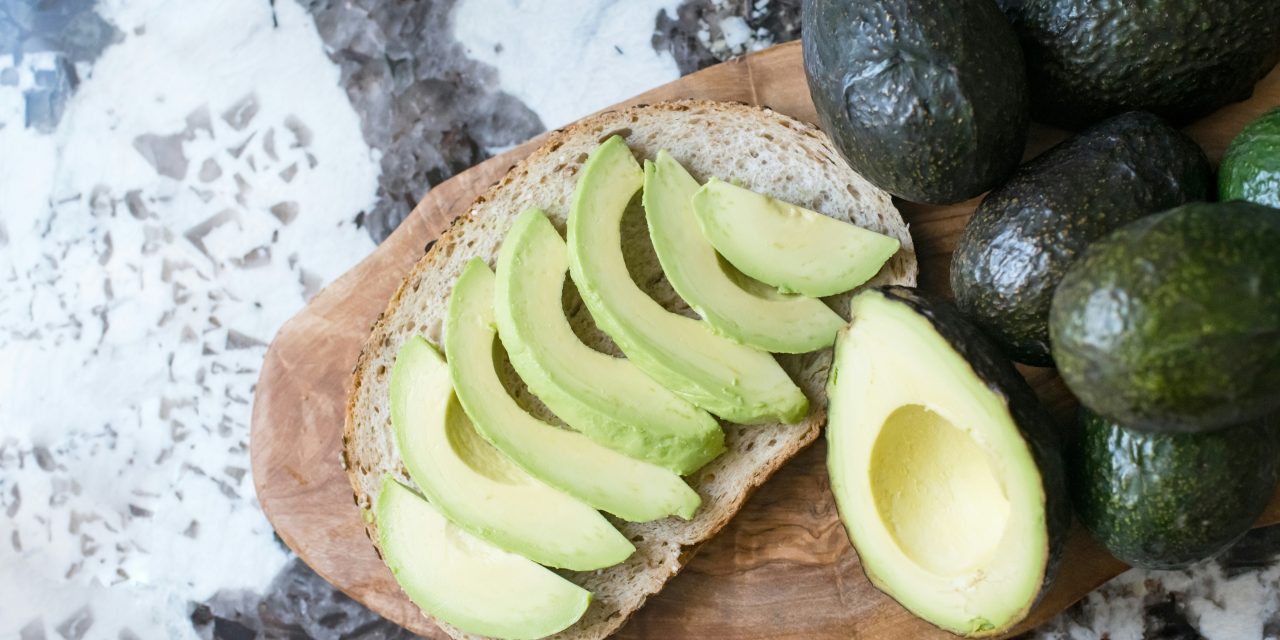
Avocado ripening is a fascinating biological process that transforms the fruit from a hard, inedible state to a creamy, flavorful delicacy. This transformation is primarily driven by the fruit’s natural ethylene production, a plant hormone that regulates growth and ripening. The ripening process can take anywhere from a few days to over a week, depending on various factors such as temperature, humidity, and the initial maturity of the avocado. Understanding these dynamics is crucial for consumers and culinary enthusiasts alike, as it allows for optimal timing in consumption and culinary applications.
During ripening, avocados undergo several physiological changes. The flesh softens due to the breakdown of pectin, a structural polysaccharide that provides firmness. Additionally, starches convert into sugars, enhancing the fruit’s flavor profile. The skin color also changes from dark green to a more muted hue, indicating readiness for consumption. Recognizing these signs can significantly enhance the avocado-eating experience, ensuring that one enjoys the fruit at its peak flavor and texture.
Choosing the Right Avocados for Storage
Selecting the appropriate avocados for storage is paramount to ensuring a successful ripening process. When purchasing avocados, look for those that are firm but yield slightly to gentle pressure. This indicates that they are mature enough to ripen properly without being overripe. Avoid avocados with dark blemishes or overly soft spots, as these may indicate internal bruising or spoilage.
Additionally, consider the variety of avocado you are purchasing. The Hass avocado is the most popular variety due to its rich flavor and creamy texture. Other varieties, such as Fuerte and Bacon, have different ripening characteristics and flavors. Understanding these differences can help consumers make informed choices based on their culinary needs and preferences.
The Role of Ethylene Gas in Ripening

Ethylene gas plays a pivotal role in the ripening process of avocados and many other fruits. This naturally occurring plant hormone is produced in small quantities by fruits as they mature. In avocados, ethylene triggers a cascade of biochemical reactions that lead to softening, flavor development, and color change. The concentration of ethylene in the surrounding environment can significantly influence the speed of ripening.
To harness the power of ethylene gas effectively, one can utilize various methods to either accelerate or decelerate the ripening process. For instance, placing avocados in proximity to ethylene-producing fruits like bananas or apples can expedite ripening. Conversely, reducing exposure to ethylene can prolong the shelf life of unripe avocados. Understanding this gas’s role allows consumers to manipulate their avocado storage strategies effectively.
Storing Whole Avocados at Room Temperature

Storing whole avocados at room temperature is an effective method for allowing them to ripen naturally. When placed in a warm environment, avocados will produce ethylene gas more rapidly, facilitating quicker ripening. It is essential to keep them in a well-ventilated area away from direct sunlight, as excessive heat can lead to uneven ripening or spoilage.
Monitoring the avocados daily is crucial during this period. Depending on their initial firmness, they may take anywhere from two to seven days to reach optimal ripeness. Once they yield gently to pressure, they are ready for consumption or further culinary use. This method is particularly beneficial for those who plan to use avocados within a week or so after purchase.
Using Paper Bags to Speed Up Ripening
One popular technique for accelerating avocado ripening involves using paper bags. This method capitalizes on the ethylene gas produced by the fruit itself while trapping it within the confines of the bag. By placing one or more avocados in a paper bag and folding it closed, you create an environment that enhances ethylene concentration, thereby speeding up the ripening process.
For optimal results, consider adding an ethylene-producing fruit such as a banana or apple into the bag alongside the avocados. This additional source of ethylene can further expedite ripening, often reducing the time needed from several days to just 24 hours. However, it is essential to check the avocados regularly to prevent overripening.
How to Slow Down Ripening with Refrigeration
While some may wish to accelerate avocado ripening, others may seek methods to slow it down. Refrigeration is an effective strategy for prolonging the shelf life of unripe avocados. When placed in a refrigerator at temperatures between 35°F and 40°F (1°C – 4°C), the metabolic processes of the fruit slow significantly, delaying ripening.
However, it is crucial to note that refrigeration should only be applied once avocados have reached their desired ripeness level. Storing unripe avocados in cold temperatures can lead to chilling injury, resulting in poor texture and flavor development. Therefore, it is advisable to allow avocados to ripen fully at room temperature before transferring them to refrigeration for short-term storage.
Ideal Storage Conditions for Unripe Avocados
To ensure optimal storage conditions for unripe avocados, several factors must be considered. First and foremost, temperature plays a critical role; keeping avocados at room temperature (around 65°F – 75°F or 18°C – 24°C) promotes natural ripening processes. Additionally, humidity levels should be moderate; excessive moisture can lead to mold growth while too little can cause dehydration.
It is also advisable to store unripe avocados away from direct sunlight and drafts, which can cause uneven ripening or spoilage. A countertop or pantry shelf works well for this purpose. By creating an environment conducive to natural ripening, consumers can enjoy perfectly ripe avocados when they are ready for consumption.
How to Tell When Avocados Are Perfectly Ripe
Determining when an avocado has reached perfect ripeness involves several sensory cues. The most reliable indicator is tactile; gently squeeze the avocado without applying pressure on the ends. If it yields slightly but maintains its shape, it is ripe and ready for consumption. Overripe avocados will feel excessively soft and may have dark spots on their skin.
Visual cues also play a role; ripe Hass avocados typically exhibit a dark green or nearly black skin color with a slightly bumpy texture. Additionally, checking the stem area can provide insight into ripeness; if it comes off easily and reveals green underneath, the avocado is likely ripe. By mastering these techniques, consumers can ensure they enjoy avocados at their peak flavor and texture.
Avoiding Common Mistakes in Avocado Storage
Several common mistakes can hinder successful avocado storage and ripening processes. One prevalent error is storing unripe avocados in the refrigerator too early; this can lead to chilling injury and poor flavor development. Another mistake involves neglecting regular checks during the ripening process; failing to monitor avocados can result in overripeness or spoilage.
Additionally, many individuals mistakenly store ripe avocados improperly after cutting them open. Leaving them exposed to air without any protective measures can lead to browning due to oxidation. To prevent this, consider applying lemon juice or olive oil on the cut surface before wrapping it tightly with plastic wrap or storing it in an airtight container.
Tips for Storing Ripe Avocados to Extend Freshness
To extend the freshness of ripe avocados, several strategies can be employed effectively. First and foremost, if you have cut an avocado, apply lemon juice or vinegar on the exposed flesh to slow down oxidation and browning. This acidic barrier helps maintain color and flavor for a longer duration.
Storing cut avocados in an airtight container or wrapping them tightly with plastic wrap can also help minimize exposure to air. If you have leftover avocado halves, consider placing them with their pit still intact; this can help reduce browning as well. Finally, refrigerating ripe avocados can prolong their shelf life by slowing down metabolic processes while maintaining their desirable texture and flavor.
Creative Uses for Overripe Avocados
Overripe avocados do not have to go to waste; they can be transformed into delicious culinary creations instead! One popular option is making guacamole by mashing overripe fruit with lime juice, garlic, onions, and spices for a flavorful dip perfect for chips or tacos. Additionally, overripe avocados can be blended into smoothies for added creaminess and nutrition.
Another creative use involves baking; overripe avocados can be incorporated into baked goods such as brownies or muffins as a healthier fat substitute for butter or oil. Their creamy texture enhances moisture while providing essential nutrients like healthy fats and fiber. By embracing these creative uses for overripe avocados, consumers can minimize waste while enjoying delicious dishes.
In summary, understanding avocado ripening basics is essential for optimal enjoyment of this beloved fruit. By selecting appropriate varieties and employing effective storage techniques—such as utilizing ethylene gas—consumers can ensure perfectly ripe avocados when needed while minimizing waste through creative culinary applications for overripe fruit.
FAQs
What is the best way to store whole avocados to ensure they ripen properly?
The best way to store whole avocados is to keep them at room temperature, away from direct sunlight. This allows the natural ripening process to occur. If you want to slow down the ripening, you can place them in the refrigerator once they reach your desired ripeness.
How long does it typically take for whole avocados to ripen?
Whole avocados typically take about 4 to 7 days to ripen at room temperature, depending on their initial ripeness when purchased. Warmer temperatures can speed up the ripening process, while cooler temperatures can slow it down.
Can I store unripe avocados in the refrigerator?
It is not recommended to store unripe avocados in the refrigerator, as the cold temperature can halt the ripening process. Instead, keep them at room temperature until they are ripe, and then you can refrigerate them to extend their shelf life.
What should I do if my avocados are ripening too quickly?
If your avocados are ripening too quickly, you can slow down the process by placing them in the refrigerator. Alternatively, you can store them in a cooler area of your home, away from heat sources and direct sunlight.
How can I tell when an avocado is ripe and ready to eat?
An avocado is ripe and ready to eat when it yields slightly to gentle pressure when squeezed. The skin may also change from green to a darker shade, depending on the variety. Additionally, the stem should come off easily, revealing green underneath if the avocado is ripe.