Selecting appropriate food storage containers is crucial for maintaining the quality, safety, and longevity of food items. The right containers not only preserve freshness but also prevent contamination and spoilage, which can lead to foodborne illnesses. With a plethora of options available in the market, understanding the significance of choosing the right materials and designs can greatly enhance your food storage experience.
Moreover, the choice of food storage containers can impact your kitchen organization and efficiency. Properly stored food items can reduce waste, save money, and promote healthier eating habits by making it easier to access nutritious options. As we delve into the various aspects of food storage containers, it becomes evident that informed decisions can lead to improved culinary practices and a more sustainable lifestyle.
Key Features to Look for in Food Storage Containers
When selecting food storage containers, several key features should be considered to ensure optimal performance. First and foremost, the material of the container plays a significant role in its functionality. Containers should be made from non-toxic materials that do not leach harmful chemicals into food. Additionally, they should be resistant to staining and odors, ensuring that they maintain their integrity over time.
Another critical feature is the design of the lid. Airtight seals are essential for preventing air and moisture from entering the container, which can lead to spoilage. Look for containers with silicone gaskets or locking mechanisms that provide a secure closure. Furthermore, consider the size and shape of the containers; stackable designs can maximize storage space in your kitchen while allowing for easy access to contents.
Best Materials for Food Storage: Glass, Plastic, Stainless Steel, and Silicone

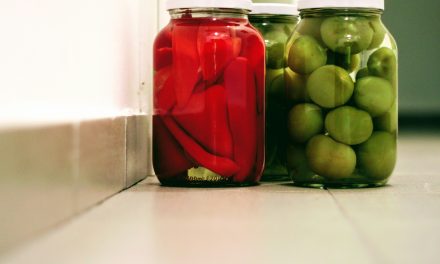
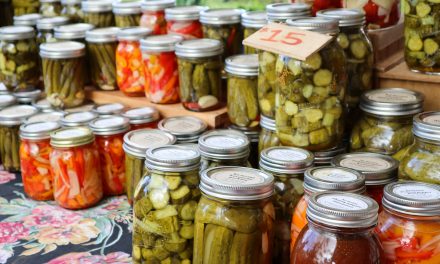
The choice of material for food storage containers significantly influences their performance and safety. Glass containers are often favored for their non-reactive nature, which means they do not absorb odors or stains. They are microwave-safe and dishwasher-friendly, making them convenient for reheating and cleaning. However, glass can be heavy and prone to breakage if not handled carefully.
Plastic containers are lightweight and versatile, making them ideal for everyday use. When selecting plastic options, it is crucial to choose BPA-free varieties to avoid harmful chemical exposure. While plastic may not be as durable as glass, advancements in technology have led to the development of high-quality plastics that are resistant to warping and staining.
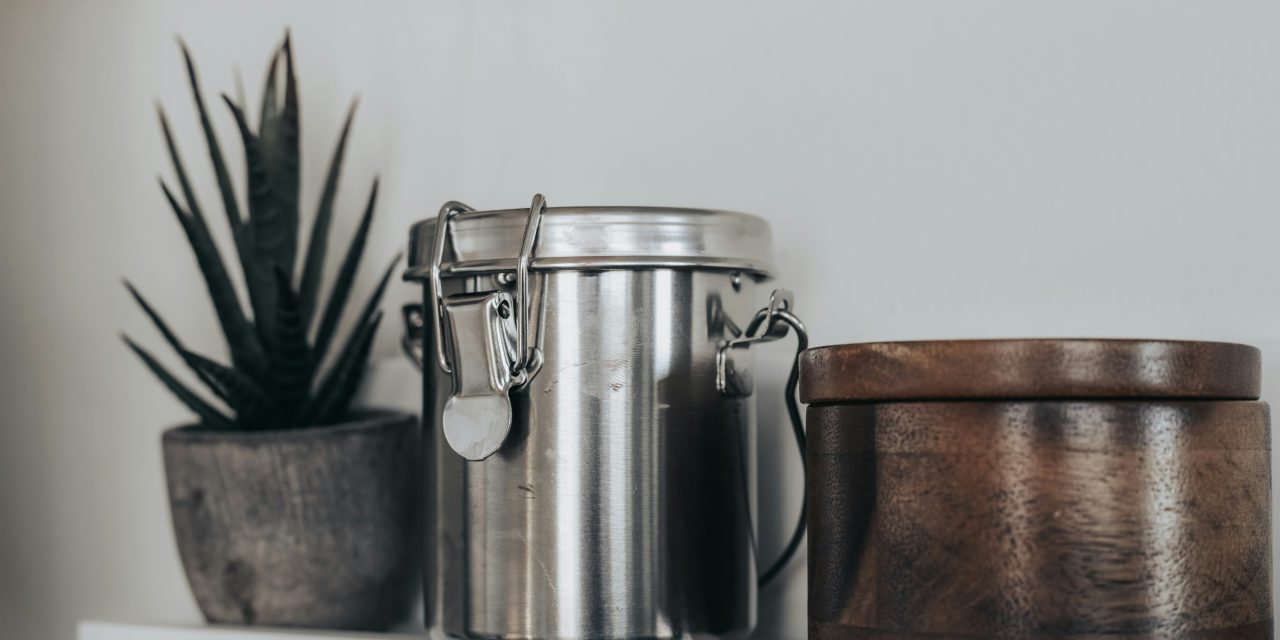
Stainless steel containers offer durability and resistance to corrosion, making them suitable for both hot and cold foods. They are often used for meal prep and on-the-go storage due to their lightweight nature. However, stainless steel does not provide transparency, which can make it challenging to identify contents without opening the container.
Silicone storage solutions are gaining popularity due to their flexibility and space-saving capabilities. These containers can be collapsed when not in use, making them ideal for small kitchens. Silicone is also heat-resistant and safe for use in microwaves and ovens, providing versatility in food preparation.
Top Glass Containers for Freshness and Durability

When it comes to glass containers, several brands stand out for their quality and performance. One notable option is Pyrex, known for its borosilicate glass that withstands extreme temperatures without breaking or warping. Pyrex containers often come with airtight lids that ensure maximum freshness while being dishwasher-safe for easy cleaning.
Another excellent choice is OXO Good Grips Glass Containers, which feature a unique locking mechanism that creates an airtight seal. These containers are designed with a clear glass body that allows users to easily identify contents without opening them. Their stackable design also promotes efficient storage in cabinets or refrigerators.
For those seeking eco-friendly options, Anchor Hocking offers glass containers made from recycled materials. Their products are durable and come with BPA-free lids that provide a secure seal. Anchor Hocking’s commitment to sustainability makes them an appealing choice for environmentally conscious consumers.
Best BPA-Free Plastic Containers for Everyday Use
BPA-free plastic containers have become increasingly popular due to their lightweight nature and affordability. One of the top contenders in this category is Rubbermaid Brilliance Containers, which are made from high-quality Tritan plastic that is both stain-resistant and shatterproof. These containers feature airtight lids that prevent leaks and keep food fresh longer.
Another excellent option is the Snapware Total Solution Containers, which offer a versatile range of sizes suitable for various food items. Their airtight lids come with a four-latch system that ensures a secure seal while being microwave-safe for reheating purposes. Snapware containers are also dishwasher-safe, making cleanup a breeze.
For those looking for a budget-friendly option without compromising quality, the Ziploc Twist ‘n Loc Containers are an excellent choice. These containers feature a twist-on lid that creates an airtight seal, keeping food fresh while being easy to stack in the refrigerator or pantry.
Durable Stainless Steel Containers: Pros and Cons
Stainless steel containers present a unique set of advantages and disadvantages that should be considered before making a purchase. One of the primary benefits is their durability; stainless steel is resistant to rust, corrosion, and staining, making it an ideal choice for long-term use. Additionally, these containers are often insulated, keeping hot foods warm or cold foods chilled for extended periods.
However, there are some drawbacks to stainless steel containers as well. They lack transparency, which means users cannot easily see the contents without opening them. This can lead to inconvenience when searching for specific items in a crowded refrigerator or pantry. Furthermore, stainless steel may not be microwave-safe, limiting reheating options.
Despite these cons, many consumers appreciate the eco-friendly nature of stainless steel as it is recyclable and does not contribute to plastic waste. Brands like LunchBots offer high-quality stainless steel containers designed specifically for meal prep and on-the-go storage.
Silicone Storage Solutions: Flexible and Space-Saving Options
Silicone storage solutions have emerged as a flexible alternative to traditional containers due to their unique properties. One of the most significant advantages of silicone is its ability to withstand extreme temperatures; it can be used in ovens, microwaves, and freezers without compromising its integrity. This versatility makes silicone an excellent choice for various cooking methods.
Moreover, silicone containers are collapsible, allowing users to save space when not in use. This feature is particularly beneficial for those with limited kitchen storage or who frequently travel with food items. Brands like Stasher offer reusable silicone bags that are perfect for snacks or meal prep while being dishwasher-safe for easy cleaning.
However, it is essential to note that silicone may not provide the same level of airtight sealing as glass or plastic containers with locking lids. Therefore, while silicone is excellent for short-term storage or travel, it may not be ideal for long-term food preservation.
Airtight and Leak-Proof Containers for Maximum Freshness
Airtight and leak-proof containers are essential for maintaining food freshness and preventing spoilage. These features help create a barrier against air and moisture, which can lead to mold growth or loss of flavor over time. When selecting airtight containers, look for options with silicone gaskets or locking mechanisms that ensure a secure seal.
Brands like OXO Good Grips offer airtight containers designed specifically for dry goods such as grains, cereals, and snacks. Their clear bodies allow users to monitor contents easily while providing an airtight seal that keeps food fresh longer.
For liquids or soups, consider using leak-proof containers like those from Prep Naturals. These glass containers come with airtight lids that prevent spills during transport while ensuring maximum freshness for soups or sauces.
Stackable and Space-Efficient Containers for Organized Storage
Stackable containers are invaluable for maximizing kitchen space and promoting organization within cabinets or refrigerators. When selecting stackable options, consider those with uniform shapes that allow them to fit neatly together without wasting space.
Brands like Rubbermaid offer stackable solutions designed specifically for efficient storage while maintaining accessibility to contents. Their modular designs allow users to create customized storage solutions based on individual needs.
Additionally, consider using drawer organizers or shelf risers alongside stackable containers to further enhance organization within your kitchen space.
Eco-Friendly and Sustainable Food Storage Choices
As environmental concerns continue to rise, many consumers are seeking eco-friendly food storage options that minimize waste and promote sustainability. Glass containers are inherently more sustainable than plastic due to their recyclability and longevity; they do not contribute to landfill waste when disposed of properly.
Silicone storage solutions also present an eco-friendly alternative as they are reusable and durable compared to single-use plastic bags or wraps. Brands like Bee’s Wrap offer sustainable alternatives made from organic cotton coated with beeswax; these wraps can be used multiple times before needing replacement.
Furthermore, consider investing in compostable food storage bags made from plant-based materials as an alternative to traditional plastic bags. These biodegradable options break down naturally over time without harming the environment.
Final Recommendations: Choosing the Best Container for Your Needs
In conclusion, selecting the right food storage container involves careful consideration of various factors including material type, design features, and intended use. Glass containers excel in durability and non-reactivity while plastic options provide lightweight convenience at an affordable price point. Stainless steel offers long-lasting durability but may lack transparency while silicone provides flexibility and space-saving capabilities.
Ultimately, your choice should align with your specific needs—whether you prioritize eco-friendliness, ease of use, or long-term preservation of food items. By investing in high-quality storage solutions tailored to your lifestyle preferences, you can enhance your culinary experience while promoting sustainability within your kitchen environment.
In summary, choosing appropriate food storage containers is essential for maintaining freshness and preventing spoilage while promoting organization within your kitchen space. Consider key features such as material type, airtight seals, stackability, and eco-friendliness when making your selection to ensure optimal performance tailored to your needs.
FAQs
What materials are best for food storage containers?
The best materials for food storage containers include glass, stainless steel, and BPA-free plastic. Glass containers are non-toxic, microwave-safe, and do not retain odors or stains. Stainless steel is durable and resistant to rust, making it ideal for long-term storage. BPA-free plastic is lightweight and convenient but should be used with caution regarding heat exposure.
Are airtight containers necessary for food storage?
Airtight containers are highly recommended for food storage as they help to keep food fresh by preventing air, moisture, and pests from entering. This is particularly important for dry goods like grains, cereals, and snacks, as well as for leftovers that need to be preserved for longer periods.
Can I use glass containers in the microwave?
Yes, most glass containers are microwave-safe, but it is essential to check for a label indicating that they are suitable for microwave use. Avoid using glass containers with metal lids or decorations, as these can cause sparks and damage the microwave.
How do I choose the right size container for food storage?
Choosing the right size container depends on the type and quantity of food you plan to store. For leftovers, select containers that match the portion sizes you typically consume. For bulk items like flour or sugar, larger containers are more appropriate. It’s also helpful to have a variety of sizes for different storage needs.
Are there any food storage containers that are dishwasher safe?
Yes, many food storage containers are dishwasher safe, particularly those made from glass and certain types of plastic. Always check the manufacturer’s guidelines to ensure that the containers can withstand the heat and pressure of a dishwasher without warping or degrading.