Food preservation is a critical aspect of maintaining the quality and safety of our food supply. Two of the most popular methods for preserving food are freezing and canning. Freezing involves lowering the temperature of food to below its freezing point, which halts the growth of microorganisms and enzymatic activity that can lead to spoilage. This method is particularly effective for fruits, vegetables, meats, and prepared meals, allowing them to retain their nutritional value and flavor for extended periods.
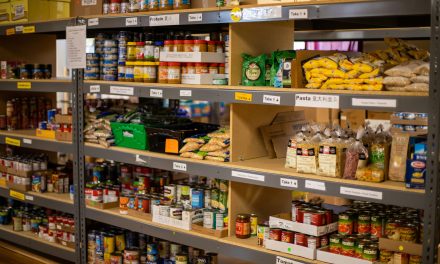
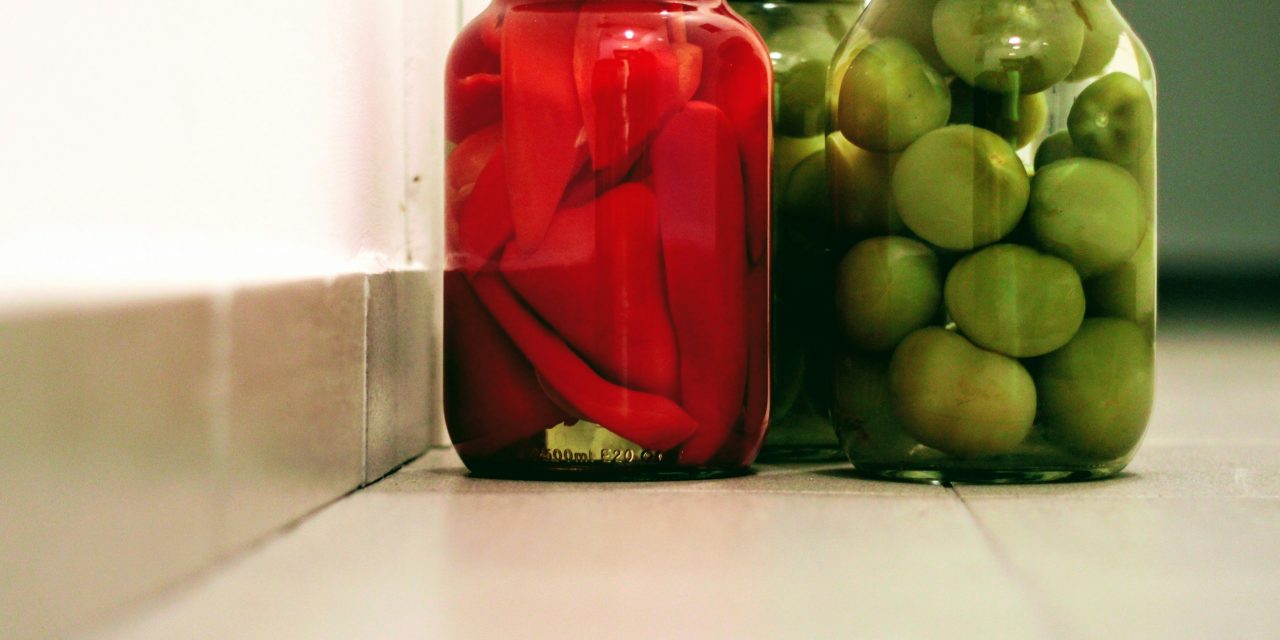
Canning, on the other hand, is a process that involves sealing food in airtight containers and heating them to kill bacteria, yeasts, and molds. This method can be performed using either a water bath or pressure canner, depending on the acidity of the food being preserved. Canning is ideal for high-acid foods like tomatoes and fruits, while low-acid foods such as vegetables and meats require pressure canning to ensure safety. Understanding these fundamental differences is essential for anyone looking to preserve food effectively.
The nutritional impact of freezing and canning varies significantly due to the different processes involved. Freezing typically preserves the nutritional quality of food better than canning. When fruits and vegetables are frozen shortly after harvest, they retain most of their vitamins and minerals. For instance, studies have shown that frozen broccoli retains about 90% of its vitamin C content compared to fresh broccoli that may lose nutrients over time due to exposure to air and light.
Conversely, canning can lead to a reduction in certain nutrients, particularly water-soluble vitamins like vitamin C and some B vitamins. The heating process used in canning can destroy these sensitive nutrients. However, canned foods often contain added preservatives or sugars that can alter their nutritional profile. It is crucial for consumers to read labels carefully and choose options that align with their dietary needs.
Safety First: Preventing Foodborne Illness in Preservation
Food safety is paramount when it comes to preserving food through freezing or canning. Both methods require strict adherence to guidelines to prevent foodborne illnesses. For freezing, it is essential to use proper packaging materials that are moisture-resistant and designed for freezing. Foods should be cooled before freezing to minimize ice crystal formation, which can affect texture.
In the case of canning, following tested recipes from reliable sources is vital. Home canners must ensure that jars are sterilized properly and that lids create a vacuum seal during processing. The use of a pressure canner for low-acid foods is non-negotiable; failure to do so can result in botulism, a potentially fatal illness caused by Clostridium botulinum bacteria. Regularly checking for signs of spoilage in canned goods, such as bulging lids or off odors, is also crucial for safety.
Equipment Essentials: What You Need for Freezing and Canning

To successfully freeze or can food, specific equipment is necessary to ensure optimal results. For freezing, essential items include high-quality freezer bags or airtight containers designed for freezing. A vacuum sealer can also be beneficial as it removes air from packaging, reducing freezer burn and extending shelf life. Additionally, a thermometer is useful for monitoring freezer temperatures, which should be set at 0°F (-18°C) or lower.
Canning requires more specialized equipment. A pressure canner is essential for low-acid foods, while a water bath canner suffices for high-acid items. Other necessary tools include glass jars with two-piece lids, a jar lifter for safe handling, a funnel for filling jars without spills, and a bubble remover to eliminate air pockets in jars. Investing in quality equipment not only enhances safety but also improves the overall preservation process.
Choosing the Right Foods for Freezing and Canning

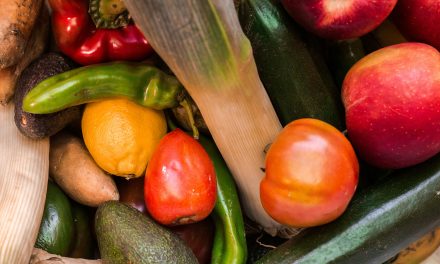
Selecting appropriate foods for freezing and canning is crucial for achieving desirable results. Not all foods freeze or can well; some may lose texture or flavor during the preservation process. For freezing, fruits such as berries, peaches, and bananas freeze well due to their high sugar content, which helps maintain flavor and texture. Vegetables like green beans, carrots, and corn also freeze effectively when blanched beforehand to halt enzyme activity.
When it comes to canning, high-acid foods such as tomatoes, pickles, and fruits are ideal candidates due to their natural acidity levels that inhibit bacterial growth. Low-acid foods like meats, poultry, and most vegetables require pressure canning to ensure safety. It is essential to choose fresh produce at its peak ripeness for both methods to maximize flavor and nutritional value.
Step-by-Step Guide to Proper Freezing Techniques
Freezing food properly involves several steps to ensure quality preservation. First, wash and prepare the food by cutting it into uniform pieces for even freezing. For vegetables, blanching is recommended; this involves briefly boiling them before plunging them into ice water to stop cooking. This process helps preserve color, flavor, and nutrients.
Next, package the food in appropriate containers or bags designed for freezing. Remove as much air as possible from bags before sealing to prevent freezer burn. Label each package with the contents and date of freezing for easy identification later on. Finally, place the packages in the coldest part of the freezer to ensure rapid freezing, which helps maintain texture and flavor.
Mastering the Canning Process: Tips for Success
Canning requires precision and attention to detail to ensure safety and quality. Begin by selecting fresh produce and preparing it according to tested recipes from reliable sources such as the USDA or university extension programs. Sterilize jars by boiling them in water or running them through a dishwasher cycle without detergent.
Fill jars with prepared food while leaving appropriate headspace as specified in recipes; this allows for expansion during processing. Wipe jar rims clean before placing lids on top to ensure a proper seal. Process jars in a water bath or pressure canner according to recipe guidelines, adjusting times based on altitude if necessary. After processing, allow jars to cool undisturbed for 12-24 hours before checking seals.
Storage Tips: Maximizing Shelf Life for Frozen and Canned Goods
Proper storage techniques are essential for maximizing the shelf life of frozen and canned goods. For frozen items, maintain a consistent freezer temperature at 0°F (-18°C) or lower. Avoid overloading the freezer as this can impede airflow and lead to uneven temperatures. Use older items first to prevent waste and regularly check for signs of freezer burn or spoilage.
Canned goods should be stored in a cool, dark place away from direct sunlight and temperature fluctuations. A pantry or cellar is ideal for maintaining optimal conditions. Regularly inspect jars for signs of spoilage such as bulging lids or leaks; discard any jars that show these signs immediately. Properly stored canned goods can last up to one year or more depending on the type of food.
Thawing and Using Preserved Foods Safely and Effectively
Thawing frozen foods safely is crucial to prevent bacterial growth. The safest methods include thawing in the refrigerator overnight or using cold water baths where food is sealed in waterproof packaging. Microwaving is also an option but should be followed by immediate cooking to ensure even heating.
When using canned goods, inspect jars before opening; if there are any signs of spoilage such as bulging lids or off odors upon opening, discard them immediately. Cook canned foods thoroughly before consumption to ensure safety; this applies especially to low-acid foods that require proper processing during canning.
Cost Comparison: Which Method Saves You More Money?
When evaluating the cost-effectiveness of freezing versus canning, several factors come into play including initial investment in equipment, ongoing costs of ingredients, and potential waste due to spoilage. Freezing typically requires less upfront investment compared to purchasing a pressure canner; however, ongoing costs may include electricity usage over time.
Canning may involve higher initial costs due to equipment purchases but allows for long-term savings by preserving seasonal produce at lower prices when they are abundant. Additionally, home-canned goods often provide better value than store-bought options when considering quality and freshness.
Environmental Considerations: Sustainability in Food Preservation
Sustainability plays an increasingly important role in food preservation practices. Both freezing and canning offer environmentally friendly options when done correctly. Freezing reduces food waste by allowing consumers to preserve surplus produce rather than letting it spoil. It also minimizes reliance on single-use packaging since many frozen items can be stored in reusable containers.
Canning promotes sustainability by encouraging individuals to grow their own food or purchase locally sourced produce while reducing reliance on commercial packaging materials associated with store-bought canned goods. By choosing sustainable practices in both methods—such as using organic produce or repurposing jars—individuals contribute positively toward environmental conservation efforts.
In summary, understanding the differences between freezing and canning is essential for effective food preservation. Each method has its unique advantages regarding nutritional impact, safety considerations, equipment needs, suitable foods, techniques involved in processing, storage tips for longevity, thawing practices post-preservation, cost implications over time as well as environmental sustainability aspects associated with these practices. By mastering these techniques while adhering strictly to safety guidelines ensures not only delicious meals but also contributes positively towards reducing waste within our communities while promoting healthier lifestyles overall.
FAQs
What are the main differences between freezing and canning food?
Freezing involves lowering the temperature of food to preserve it, which retains most of its nutrients and texture. Canning, on the other hand, involves sealing food in jars and heating them to kill bacteria and enzymes, which can alter the texture and flavor of the food. Freezing is generally quicker and easier, while canning requires more equipment and time.
Which method is better for preserving nutrients in food?
Freezing is typically better for preserving nutrients compared to canning. The freezing process helps maintain the food’s vitamins and minerals, while canning can lead to nutrient loss due to the high temperatures used during the heating process.
How long can food be stored using each method?
Frozen food can generally be stored for 6 to 12 months, depending on the type of food and storage conditions. Canned food can last much longer, often 1 to 5 years or more, as long as the jars remain sealed and stored in a cool, dark place.
Are there any safety concerns associated with canning?
Yes, there are safety concerns with canning, particularly the risk of botulism, a potentially fatal illness caused by bacteria that can thrive in improperly canned foods. It is crucial to follow proper canning guidelines and use pressure canners for low-acid foods to ensure safety.
Can you freeze food after it has been canned?
It is not recommended to freeze food that has already been canned. The glass jars can break due to the expansion of liquids when frozen, and the texture and quality of the food may be compromised. It is best to choose one preservation method for each batch of food.