In the realm of emergency preparedness, evaluating your food requirements is paramount. The first step involves understanding the specific needs of your household, which can vary significantly based on factors such as age, dietary restrictions, and activity levels. For instance, a family with young children may require more calorie-dense foods to support growth and energy, while older adults might prioritize easily digestible options. Additionally, consider the duration for which you wish to prepare. A common guideline is to stockpile enough food to last for at least 72 hours, but many experts recommend aiming for a two-week supply to ensure adequate sustenance during prolonged emergencies.
Furthermore, it is essential to account for any unique dietary needs within your household. Individuals with allergies, intolerances, or specific health conditions may require specialized foods that are not typically included in standard emergency kits. Conducting a thorough inventory of your current food supplies can help identify gaps and inform your purchasing decisions. This assessment should also include evaluating the nutritional content of potential food items to ensure that your stockpile supports overall health and well-being during emergencies.
Choosing the Right Types of Food for Storage
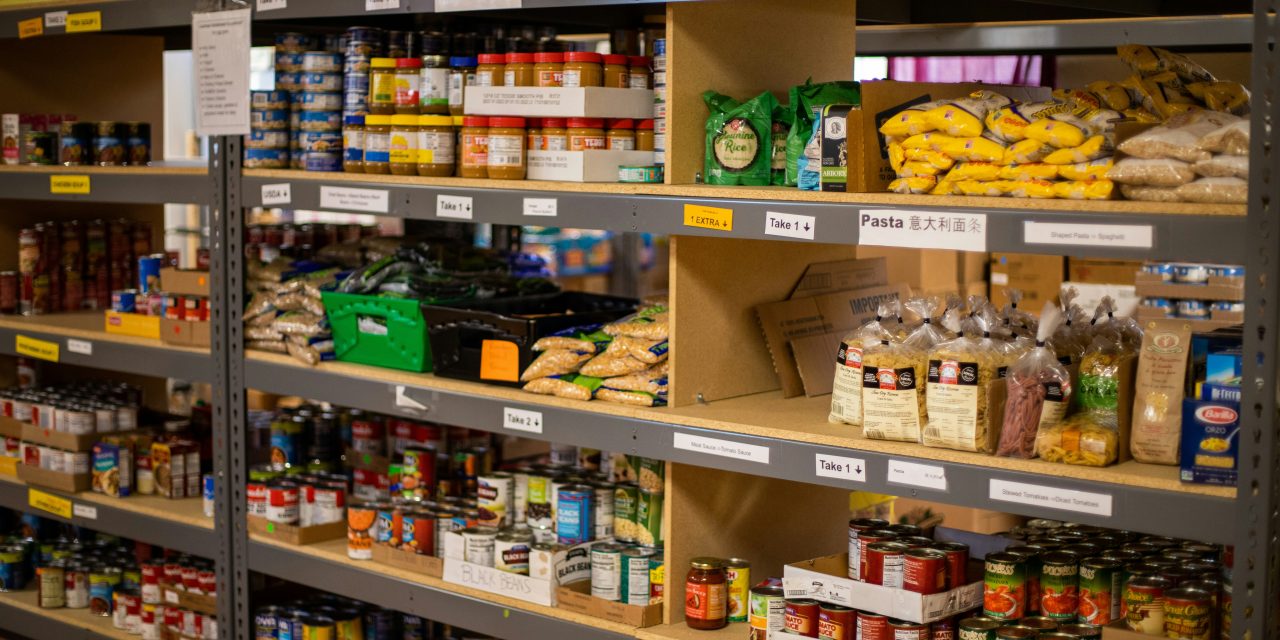
Selecting appropriate food items for long-term storage is crucial for ensuring that your emergency supplies remain both palatable and nutritious. Non-perishable foods are ideal candidates, including canned goods, dried fruits, grains, legumes, and freeze-dried meals. Canned vegetables and fruits provide essential vitamins and minerals, while dried beans and lentils offer protein and fiber. Additionally, consider incorporating ready-to-eat meals that require minimal preparation, as these can be invaluable during emergencies when cooking facilities may be limited.
When choosing foods, prioritize items that have a long shelf life and are resistant to spoilage. Foods high in fat, such as nuts and oils, can become rancid over time; therefore, it is advisable to select items with lower fat content for extended storage. Moreover, consider the ease of preparation and consumption; foods that require minimal cooking or can be eaten straight from the package are particularly advantageous in emergency situations.
Understanding Shelf Life and Expiration Dates

Understanding shelf life and expiration dates is critical when preparing an emergency food supply. Shelf life refers to the length of time a food product remains safe to consume while maintaining its intended flavor and nutritional value. It is important to differentiate between “best by,” “sell by,” and “use by” dates, as these terms indicate varying levels of freshness and safety. The “best by” date suggests optimal quality but does not necessarily indicate that the food is unsafe after this date; conversely, “use by” dates are more stringent and indicate the last date for safe consumption.
To maximize the longevity of your food supplies, familiarize yourself with the typical shelf lives of various food categories. For example, canned goods can last anywhere from two to five years, while dried grains may remain viable for up to 30 years when stored properly. Regularly reviewing and updating your inventory will help ensure that you consume older items first while replenishing your stock with fresh supplies.
Proper Packaging and Sealing Techniques

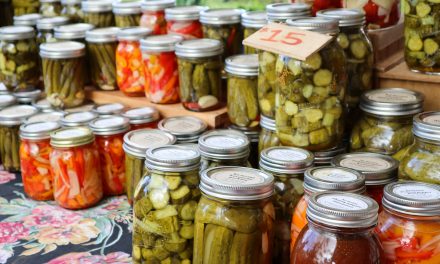
Effective packaging and sealing techniques play a vital role in preserving the quality of your emergency food supplies. Oxygen exposure is one of the primary factors contributing to food spoilage; therefore, utilizing airtight containers can significantly extend shelf life. Glass jars with tight-fitting lids, vacuum-sealed bags, and Mylar bags are excellent options for minimizing oxygen exposure and preventing moisture infiltration.
When sealing food items, it is essential to remove as much air as possible before sealing. Vacuum sealing is particularly effective for preserving meats, cheeses, and other perishables. Additionally, consider using desiccants or oxygen absorbers within containers to further inhibit spoilage. Properly labeled containers will also facilitate easy identification of contents and expiration dates.
Optimal Storage Locations and Conditions
The location where you store your emergency food supplies can greatly impact their longevity and safety. Ideally, food should be stored in a cool, dark place with stable temperatures—between 50°F and 70°F (10°C to 21°C) is optimal for most items. Avoid areas prone to temperature fluctuations or humidity, such as garages or basements that may experience dampness.
Furthermore, ensure that your storage area is clean and free from pests. Regularly inspect your supplies for signs of spoilage or infestation. Elevating food off the ground can help prevent moisture absorption from floors and deter pests from accessing your stockpile.
Rotating Your Food Supplies Regularly
Regular rotation of your food supplies is essential for maintaining freshness and minimizing waste. Implementing a “first in, first out” (FIFO) system ensures that older items are consumed before newer ones. This practice not only helps maintain the quality of your stockpile but also allows you to stay familiar with the contents of your emergency supplies.
To facilitate rotation, consider organizing your storage area in a way that makes older items easily accessible. Labeling containers with purchase dates can also serve as a helpful reminder for when items should be consumed or replaced. Regularly scheduled inventory checks will help you stay on top of expiration dates and ensure that your emergency food supply remains viable.
Including Nutritional Variety in Your Stockpile
A well-rounded emergency food supply should encompass a variety of food groups to ensure balanced nutrition during crises. Incorporating a mix of carbohydrates, proteins, fats, vitamins, and minerals will help sustain energy levels and support overall health. Consider including whole grains like brown rice or quinoa, protein sources such as canned tuna or beans, healthy fats like olive oil or nut butters, and an assortment of fruits and vegetables—whether canned or freeze-dried.
Additionally, diversifying flavors can help prevent palate fatigue during extended emergencies. Including spices, sauces, or condiments can enhance the taste of otherwise bland meals and make them more enjoyable to consume over time.
Storing Water and Hydration Essentials
Water is an essential component of any emergency preparedness plan; humans can survive only a few days without it. It is recommended to store at least one gallon of water per person per day for a minimum of three days—ideally extending this supply to cover two weeks or more if possible. Water should be stored in clean, food-grade containers that are specifically designed for long-term storage.
In addition to water storage, consider including water purification tablets or filters in your emergency kit. These tools can provide peace of mind by ensuring access to safe drinking water in situations where tap water may be compromised.
Using Vacuum Sealing and Mylar Bags
Vacuum sealing is an effective method for preserving food quality by removing air from packaging before sealing it shut. This technique significantly reduces oxidation and moisture exposure—two primary factors contributing to spoilage. Vacuum-sealed bags are particularly useful for storing meats, cheeses, grains, and dried fruits.
Mylar bags are another excellent option for long-term food storage due to their durability and resistance to light and moisture. When combined with oxygen absorbers, Mylar bags can extend the shelf life of dry goods significantly—often up to 25 years or more when stored correctly. Both vacuum sealing and Mylar bags are invaluable tools in any emergency preparedness strategy.
Labeling and Organizing Your Food Inventory
An organized inventory system is crucial for efficient management of your emergency food supplies. Clearly labeling each container with its contents and expiration date will facilitate easy identification during emergencies when time may be limited. Consider using color-coded labels or bins to categorize items based on food groups or expiration dates.
Additionally, maintaining an inventory list can help track what you have on hand and what needs replenishing. This proactive approach will ensure that you remain prepared without overstocking or wasting resources.
Preparing for Special Dietary Requirements
When preparing an emergency food supply, it is vital to consider any special dietary requirements within your household. Individuals with allergies or specific health conditions may need tailored options that align with their nutritional needs. For example, gluten-free individuals should stockpile gluten-free grains such as quinoa or rice instead of traditional wheat products.
Moreover, those with diabetes may require low-sugar options or specific carbohydrate counts in their meals. Consulting with a healthcare professional or nutritionist can provide valuable insights into creating a balanced emergency food supply that accommodates all dietary needs.
In summary, preparing an effective emergency food supply involves careful assessment of needs, selection of appropriate foods, understanding shelf life, proper packaging techniques, optimal storage conditions, regular rotation practices, nutritional variety inclusion, water storage considerations, vacuum sealing methods, organized labeling systems, and accommodating special dietary requirements. By following these guidelines diligently, individuals can ensure they are well-prepared for any unforeseen circumstances that may arise in the future.
FAQs
What types of food are best for emergency storage?
Non-perishable foods are ideal for emergency storage. These include canned goods, dried fruits, nuts, grains, pasta, rice, and freeze-dried meals. It’s important to choose items that have a long shelf life and require minimal preparation.
How should food be stored for emergencies?
Food should be stored in a cool, dry place away from direct sunlight. Use airtight containers to protect against moisture and pests. Label all items with the purchase date and rotate stock regularly to ensure older items are used first.
How long can food be stored for emergencies?
The shelf life of emergency food varies by type. Canned goods can last 2-5 years, while dried foods like rice and pasta can last up to 30 years if stored properly. Always check expiration dates and guidelines for specific items.
What are some tips for maintaining food quality during storage?
To maintain food quality, keep storage areas clean and organized. Monitor temperature and humidity levels, and avoid storing food near chemicals or strong odors. Regularly inspect stored food for signs of spoilage or damage.
Should I include water in my emergency food storage plan?
Yes, water is essential for emergency preparedness. It is recommended to store at least one gallon of water per person per day for at least three days. Ensure that water is stored in clean, food-grade containers and replaced every six months.